
Tricia Richards, LMFT
Washington · 12 yrs exp
Topics: Stress, Anxiety / Family / Anger +7
View ProfileTherapist listings come from BetterHelp, and we will earn a commission if you use our link - at no cost to you.
Welcome to our directory of online therapists serving Washington. All listed therapists are licensed; explore profiles to compare approaches, specialties, credentials, and languages to find clinicians who fit your needs.
Washington · 12 yrs exp
Topics: Stress, Anxiety / Family / Anger +7
View Profile
Washington · 14 yrs exp
Topics: Stress, Anxiety / Relationship / Career +5
Methods: Client-Centered Therapy / Cognitive Behavioral Therapy (CBT)
View Profile
Washington · 15 yrs exp
Topics: Stress, Anxiety / Grief / Self esteem +2
View Profile
Washington · 22 yrs exp
Topics: Stress, Anxiety / Relationship / Self esteem +8
Methods: Acceptance and Commitment Therapy (ACT) / Client-Centered Therapy
View Profile
Washington · 17 yrs exp · 2 languages
Topics: Stress, Anxiety / Relationship / Family +2
Methods: Client-Centered Therapy / Cognitive Behavioral Therapy (CBT)
View Profile
Washington · 9 yrs exp
Topics: Stress, Anxiety / Addictions / Relationship +2
View Profile
Washington · 14 yrs exp · 2 languages
Topics: Stress, Anxiety / Trauma and abuse / Self esteem +2
Methods: Client-Centered Therapy / Cognitive Behavioral Therapy (CBT)
View Profile
Washington · 25 yrs exp
Topics: Trauma and abuse / Grief / Self esteem +2
View Profile
Washington · 32 yrs exp
Topics: Stress, Anxiety / Addictions / Trauma and abuse +2
Methods: Client-Centered Therapy / Cognitive Behavioral Therapy (CBT)
View Profile
Washington · 3 yrs exp
Topics: Stress, Anxiety / Parenting / Self esteem +3
Methods: Cognitive Behavioral Therapy (CBT) / Dialectical Behavior Therapy (DBT)
View Profile
Washington · 18 yrs exp
Topics: Stress, Anxiety / Grief / Self esteem +2
Methods: Client-Centered Therapy / Cognitive Behavioral Therapy (CBT)
View Profile
Washington · 15 yrs exp · 2 languages
Topics: Stress, Anxiety / Parenting / Self esteem +5
View Profile
Washington · 20 yrs exp
Topics: Stress, Anxiety / Trauma and abuse / Self esteem +11
View Profile
Washington · 15 yrs exp
Topics: Stress, Anxiety / Self esteem / Career +13
Methods: Client-Centered Therapy / Cognitive Behavioral Therapy (CBT)
View Profile
Washington · 9 yrs exp
Topics: Stress, Anxiety / LGBT / Trauma and abuse +12
Methods: Client-Centered Therapy / Cognitive Behavioral Therapy (CBT)
View Profile
Washington · 20 yrs exp
Topics: Stress, Anxiety / Relationship / Self esteem +2
View Profile
Washington · 20 yrs exp
Topics: Stress, Anxiety / Family / Trauma and abuse +2
View Profile
Washington · 11 yrs exp
Topics: Stress, Anxiety / Relationship / Family +7
Methods: Client-Centered Therapy / Cognitive Behavioral Therapy (CBT)
View Profile
Washington · 10 yrs exp
Topics: Stress, Anxiety / Eating / Self esteem +1
Methods: Client-Centered Therapy / Cognitive Behavioral Therapy (CBT)
View Profile
Washington · 25 yrs exp
Topics: Stress, Anxiety / Trauma and abuse / Bipolar +10
Methods: Client-Centered Therapy / Cognitive Behavioral Therapy (CBT)
View Profile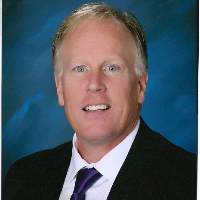
Washington · 27 yrs exp
Topics: Stress, Anxiety / Addictions / Trauma and abuse +11
Methods: Acceptance and Commitment Therapy (ACT) / Client-Centered Therapy
View Profile
Washington · 3 yrs exp
Topics: LGBT / Trauma and abuse / Self esteem +13
View Profile
Washington · 10 yrs exp
Topics: Stress, Anxiety / Grief / Parenting +12
Methods: Acceptance and Commitment Therapy (ACT) / Eye Movement Desensitization and Reprocessing (EMDR)
View Profile
Washington · 12 yrs exp
Topics: Stress, Anxiety / Trauma and abuse / Depression +10
Methods: Client-Centered Therapy / Mindfulness Therapy
View Profile
Washington · 35 yrs exp
Topics: Stress, Anxiety / Depression
View Profile
Washington · 6 yrs exp
Topics: Stress, Anxiety / LGBT / Family +12
Methods: Client-Centered Therapy / Cognitive Behavioral Therapy (CBT)
View Profile
Washington · 22 yrs exp
Topics: Stress, Anxiety / Relationship / Family +12
Methods: Attachment-Based Therapy / Client-Centered Therapy
View Profile
Washington · 19 yrs exp
Topics: Stress, Anxiety / Addictions / Relationship +10
Methods: Cognitive Behavioral Therapy (CBT) / Motivational Interviewing
View Profile
Washington · 12 yrs exp · 2 languages
Topics: Stress, Anxiety / Trauma and abuse / Depression +9
Methods: Client-Centered Therapy / Cognitive Behavioral Therapy (CBT)
View Profile
Washington · 14 yrs exp
Topics: Stress, Anxiety / Relationship / Grief +6
Methods: Cognitive Behavioral Therapy (CBT) / Motivational Interviewing
View Profile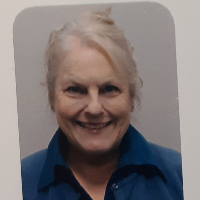
Washington · 27 yrs exp
Topics: Stress, Anxiety / Relationship / Family +8
Methods: Client-Centered Therapy / Cognitive Behavioral Therapy (CBT)
View Profile
Washington · 18 yrs exp
Topics: Stress, Anxiety / Relationship / Trauma and abuse +2
View Profile
Washington · 10 yrs exp
Topics: Stress, Anxiety / Addictions / Family +10
Methods: Cognitive Behavioral Therapy (CBT) / Dialectical Behavior Therapy (DBT)
View Profile
Washington · 20 yrs exp
Topics: Stress, Anxiety / Relationship / Depression +9
Methods: Acceptance and Commitment Therapy (ACT) / Cognitive Behavioral Therapy (CBT)
View Profile
Washington · 7 yrs exp
Topics: Grief / Addictions / Coping with life changes
Methods: Motivational Interviewing / Solution-Focused Therapy
View Profile
Washington · 8 yrs exp
Topics: Stress, Anxiety / Addictions / Grief +12
Methods: Acceptance and Commitment Therapy (ACT) / Client-Centered Therapy
View Profile
Washington · 12 yrs exp
Topics: Stress, Anxiety / Trauma and abuse / Self esteem +6
Methods: Attachment-Based Therapy / Client-Centered Therapy
View Profile
Washington · 30 yrs exp
Topics: Stress, Anxiety / Addictions / Self esteem +2
Methods: Cognitive Behavioral Therapy (CBT) / Mindfulness Therapy
View Profile
Washington · 14 yrs exp
Topics: Stress, Anxiety / Family / Trauma and abuse +9
Methods: Client-Centered Therapy / Cognitive Behavioral Therapy (CBT)
View Profile
Washington · 17 yrs exp
Topics: Stress, Anxiety / Trauma and abuse / Self esteem +2
View Profile
Washington · 15 yrs exp
Topics: Stress, Anxiety / Addictions / Relationship +2
Methods: Cognitive Behavioral Therapy (CBT) / Dialectical Behavior Therapy (DBT)
View Profile
Washington · 11 yrs exp
Topics: Stress, Anxiety / Relationship / Family +11
Methods: Cognitive Behavioral Therapy (CBT) / Eye Movement Desensitization and Reprocessing (EMDR)
View Profile
Washington · 18 yrs exp
Topics: Stress, Anxiety / Parenting / Self esteem +2
View Profile
Washington · 6 yrs exp
Topics: Coping with life changes / Stress, Anxiety / Relationship +5
View Profile
Washington · 9 yrs exp
Topics: Grief / Stress, Anxiety / Addictions +3
View Profile
Washington · 4 yrs exp
Topics: Stress, Anxiety / Relationship / Family +2
Methods: Cognitive Behavioral Therapy (CBT) / Emotionally-Focused Therapy (EFT)
View Profile
Washington · 5 yrs exp
Topics: Stress, Anxiety / Trauma and abuse / Anger +7
Methods: Acceptance and Commitment Therapy (ACT) / Client-Centered Therapy
View Profile
Washington · 5 yrs exp
Topics: Addictions / Trauma and abuse / Self esteem +9
Methods: Client-Centered Therapy / Cognitive Behavioral Therapy (CBT)
View Profile
Washington · 26 yrs exp
Topics: Stress, Anxiety / Family / Trauma and abuse +2
View Profile
Washington · 28 yrs exp
Topics: Stress, Anxiety / Family / Parenting +2
View Profile
Washington · 4 yrs exp
Topics: Stress, Anxiety / Parenting / Anger +14
Methods: Acceptance and Commitment Therapy (ACT) / Client-Centered Therapy
View Profile
Washington · 11 yrs exp
Topics: Stress, Anxiety / Addictions / Relationship +2
Methods: Acceptance and Commitment Therapy (ACT) / Attachment-Based Therapy
View Profile
Washington · 4 yrs exp
Topics: Stress, Anxiety / Addictions / Family +2
Methods: Client-Centered Therapy / Cognitive Behavioral Therapy (CBT)
View Profile
Washington · 8 yrs exp
Topics: Stress, Anxiety / Addictions / Trauma and abuse +7
Methods: Client-Centered Therapy / Cognitive Behavioral Therapy (CBT)
View Profile
Washington · 5 yrs exp
Topics: Stress, Anxiety / Family / Self esteem +9
View Profile
Washington · 3 yrs exp
Topics: Stress, Anxiety / Self esteem / Depression +4
View Profile
Washington · 7 yrs exp
Topics: Stress, Anxiety / Trauma and abuse / Eating +2
Methods: Acceptance and Commitment Therapy (ACT) / Attachment-Based Therapy
View Profile
Washington · 20 yrs exp
Topics: Stress, Anxiety / Relationship / Parenting +10
Methods: Acceptance and Commitment Therapy (ACT) / Client-Centered Therapy
View Profile
Washington · 16 yrs exp
Topics: Stress, Anxiety / LGBT / Self esteem +2
Methods: Acceptance and Commitment Therapy (ACT) / Client-Centered Therapy
View Profile
Washington · 17 yrs exp
Topics: Stress, Anxiety / Trauma and abuse / Self esteem +2
Methods: Client-Centered Therapy / Solution-Focused Therapy
View ProfileOnline therapy has become a widely used option for people across Washington, offering a way to connect with a licensed mental health professional from home, work, or another comfortable environment. In Washington, licensed providers may deliver services across distances within the state as long as they follow state practice rules and licensing regulations. You will find clinicians who identify a variety of specialties and approaches, and many list their preferred work styles, client populations, and languages on public profiles. While online sessions can feel different from in-person meetings, they still rely on the core elements of therapeutic work - an ongoing relationship, assessment, and collaborative planning - adapted to a digital format.
When you begin online therapy, you can expect an initial intake that gathers background, current concerns, and goals for treatment. Sessions typically use video as the primary format so you and the clinician can exchange real-time verbal and visual cues, and some clinicians offer phone or text-based messaging for supplementary communication. You should find information on a clinician’s profile about the types of approaches they use, the populations they focus on, and what they emphasize in their work. Because online care crosses physical distance, therapists in Washington will often note how they handle scheduling, session length, and technology preferences on their listings.
Online therapy can make it easier to access licensed mental health care if you live far from urban centers, have transportation challenges, or need more flexible scheduling around work or family life. For people in rural and suburban parts of Washington, online options expand the range of clinicians you can consider so you are not limited to local practices. You may also find therapists who list specific cultural, linguistic, or life-stage specialties that better match your identity and needs. The convenience of attending from a familiar setting can reduce the time and stress of commuting, which may help you maintain consistency in sessions over time.
Besides logistics, many people find the online format supports continuity during life transitions such as moving or changes in employment. You can look for therapists who list experience with transitions, grief, parenting, or work-related concerns, and choose someone whose communication style feels right to you. The digital format can also make it easier to share documents, worksheets, and resources between sessions, which some clients find helpful for applying therapeutic insights to daily life.
Online therapists in Washington work with a broad range of concerns. Many clinicians list mood and anxiety concerns among their focus areas, while others highlight relationship and family work, trauma-related symptoms, stress management, and adjustments to major life changes. You will also find therapists who list work with identity, cultural, and life-stage issues, such as LGBTQ+ topics, parenting, or aging. When a clinician notes that they work with trauma, you will sometimes see specific approaches listed; remember that a listing only reflects what a therapist reports about their practice, not an external certification.
It is common to encounter clinicians who mention integrative or eclectic approaches, and some list specific modalities such as cognitive behavioral methods, psychodynamic perspectives, mindfulness-informed work, or other named approaches. If you have a particular concern such as chronic stress, grief, relationship conflicts, or career-related anxiety, you can look for profiles that emphasize those specialties and read how the clinician describes their typical focus and style. Many therapists also indicate the age ranges or family constellations they work with, so you can align those details with your needs before you reach out.
Verifying that a therapist is licensed in Washington is an important step in your search. You can use the Washington State Department of Health license lookup to confirm a professional’s license type, status, and any board actions that may be on record. Look for the provider’s full name and license number on their public profile, and use those details in the state lookup tool. The record will typically show the license expiration date and whether there are any restrictions or disciplinary notes linked to the credential. If a clinician lists an academic credential or title, the state record can help you confirm the type of license they hold and the scope of practice associated with it.
If you are unsure which license category applies to a particular practitioner, you can review the licensing board descriptions on the Department of Health site to learn what each credential authorizes. Some clinicians hold titles associated with counseling, social work, psychology, or marriage and family therapy; the state record will indicate the exact credential and any supervising relationships if applicable. Confirming licensure gives you a clearer understanding of the clinician’s legal standing in Washington and any areas the board may have noted, which can help you make an informed decision about who to contact.
Starting online therapy begins with identifying therapists whose profiles match the issues and approaches you find most important. Read the profile descriptions to see how a clinician describes their approach, the populations they work with, and any languages they offer. Because therapists sometimes list particular methods among their approaches, you can look for clinicians who mention approaches you prefer, keeping in mind that listings reflect what practitioners say about their work rather than external verification of training in a modality.
Once you identify potential clinicians, reach out through the contact method provided on their profile to ask a few practical questions about how they structure online sessions, what technology they use, and what to expect for a first appointment. You may want to ask about session length, fees and payment methods, and whether they provide written policies about cancellations and privacy practices. Many clinicians will outline these details on a webpage or intake packet, which can help you compare options and decide who feels like the best match for your goals.
Choosing a therapist is a personal process and you should prioritize what matters most to you. Consider the clinician’s written description of their therapeutic approach and the types of concerns they highlight, and look for language that resonates with how you want to work. If cultural identity, language, or life-stage experience is important to you, seek clinicians who note that focus. Profiles often include information about credentials and professional background, which can help you understand the clinician’s pathway to practice without implying guarantees about specific outcomes.
Trust your sense of fit when you speak with a clinician for the first time. You can assess whether their communication style, tone, and stated goals align with yours. It is reasonable to ask how they measure progress and how they typically collaborate with clients to set goals. If after a few conversations you feel that a different approach or emphasis would serve you better, it is acceptable to continue searching until you find a clinician whose orientation and rapport support your work. Ultimately, the right match is one where you feel respected, heard, and able to make steady progress toward your personal goals.
Online therapy in Washington offers a range of options, from clinicians who emphasize structured approaches to those who describe exploratory or relational work. By verifying licensure, reviewing profiles for focus and language, and asking practical questions before beginning, you can make an informed choice that aligns with your needs. Use the listings here to explore clinicians and learn more about the approaches and specialties that matter to you as you start your search.
Addictions
3175 therapists
ADHD
2513 therapists
Anger
4030 therapists
Bipolar
2017 therapists
Control Issues
3704 therapists
Depression
9438 therapists
Grief
5209 therapists
Guilt and Shame
6799 therapists
Impulsivity
3037 therapists
Isolation / Loneliness
6277 therapists
Midlife Crisis
2502 therapists
Mood Disorders
4495 therapists
Panic Disorder and Panic Attacks
4088 therapists
Post-Traumatic Stress
5292 therapists
Self Esteem
8971 therapists
Self-Harm
2061 therapists
Social Anxiety and Phobia
5950 therapists
Stress & Anxiety
11337 therapists
Trauma and Abuse
6921 therapists
Abandonment
3465 therapists
Attachment Issues
4370 therapists
Blended Family Issues
1883 therapists
Body Image
2629 therapists
Career
2890 therapists
Caregiver Issues and Stress
3776 therapists
Codependency
2379 therapists
Communication Problems
7884 therapists
Compassion Fatigue
2360 therapists
Coping with Life Changes
7524 therapists
Divorce
3962 therapists
Family
5003 therapists
Forgiveness
5914 therapists
Life Purpose
7026 therapists
Parenting
3713 therapists
Relationship
7163 therapists
Self-Love
7491 therapists
Workplace Issues
4216 therapists