- Credentials
- LMHC
- License
- LMHC, Washington / LH61026176
- NPI
- 1952972671
About Diane
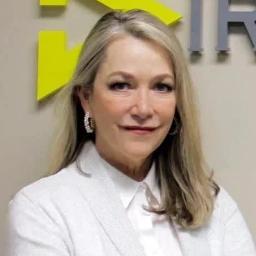
Diane Critchlow is a Washington LMHC with 12 years of clinical experience. She works with people facing stress, anxiety, depression, trauma and abuse, relationship and family concerns, career strain, compassion fatigue, and issues with self-esteem. Diane uses a mix of approaches to help people develop practical skills.
She draws on cognitive behavioral methods to change unhelpful thoughts and behaviors. She also uses attachment-based ideas to look at how early relationships affect current patterns.
Background and approach
Sessions focus on clear goals and concrete steps. Diane helps people problem-solve, set life goals, and practice new ways of relating. She addresses parenting, emotional abuse, childhood trauma, career transitions, and building healthier connections in everyday life.
Her work includes attention to family of origin issues, adoption and foster care concerns, blended family challenges, communication problems, codependency, and commitment or control issues. Diane also supports people dealing with domestic violence aftermath, separation and divorce, body image, emptiness, and dependent personality patterns. She uses mindfulness and motivational interviewing techniques alongside other therapies to support change.
The emphasis is on learning new skills and increasing capacity to manage life stressors. People who want to think through practical steps and try structured strategies often find this approach useful.
How Diane’s approaches translate to online work
Attachment-based work looks at how early relationship patterns affect current connections. In online sessions this can mean talking through relationship histories and practicing new ways of relating to others. Cognitive behavioral therapy focuses on identifying unhelpful thoughts and testing new behaviors. Online sessions can include structured exercises, thought records, and behavioral experiments to use between meetings.Finding the best approach is collaborative. The therapist will review your concerns, goals, and preferences and suggest which methods to try first. Sessions can be adjusted over time depending on what is helping and what needs more focus.
Confirm the exact session formats before booking, since the biography does not list specific options. Online work can make it easier to fit therapy into a busy schedule, permit shorter check-ins when needed, and reduce travel time. Many people use remote sessions to continue steady work on symptoms, relationships, and life changes while keeping therapy practical for everyday life.
Frequently asked questions
What concerns does she commonly address?
What style of therapy does she use?
How much experience does she have?
What are her credentials and location?
Which languages are supported and can she see international clients?
What session formats are offered?
How does pricing work?
How do I begin working with her?
Specialties and expertise
Top specialties
Also works with
- Abandonment
- Adoption and foster care
- Attachment issues
- Blended family issues
- Body image
- Career difficulties
- Codependency
- Commitment issues
- Communication problems
- Compassion fatigue
- Control issues
- Coping with life changes
- Dependent personality
- Depression
- Divorce and separation
- Domestic violence
- Emptiness
- Family conflicts
- Family of origin issues
- Family problems
- Fatherhood issues
- Fertility issues
- Forgiveness
- Guilt and shame
- Isolation / loneliness
- Life purpose
- Midlife crisis
- Narcissism
- Panic disorder and panic attacks
- Post-traumatic stress
- Postpartum depression
- Pregnancy and childbirth
- Relationship issues
- Self-harm
- Self-love
- Sexual assault and abuse
- Social anxiety and phobia
- Traumatic brain injury
- Women's issues
- Workplace issues
Therapeutic approaches
- Experience
- 12 years
- Licensed
- Washington
- Languages
- English