
Sara Kaczmarek, LMFT
Minnesota · 14 yrs exp
Topics: Stress, Anxiety / Relationship / Family +9
View ProfileTherapist listings come from BetterHelp, and we will earn a commission if you use our link - at no cost to you.
Explore therapists who list panic disorder and panic attacks among their specialties. Each profile highlights approaches, credentials, languages and areas of focus so you can find a suitable match.
Use the listings below to begin your search and learn more about how therapy can help manage panic symptoms and improve daily functioning.
Minnesota · 14 yrs exp
Topics: Stress, Anxiety / Relationship / Family +9
View Profile
Pennsylvania · 12 yrs exp
Topics: Stress, Anxiety / Trauma and abuse / Self esteem +12
Methods: Client-Centered Therapy / Mindfulness Therapy
View Profile
Delaware · 16 yrs exp
Topics: Stress, Anxiety / Trauma and abuse / Grief +9
Methods: Cognitive Behavioral Therapy (CBT) / Eye Movement Desensitization and Reprocessing (EMDR)
View Profile
North Carolina · 13 yrs exp
Topics: Stress, Anxiety / Relationship / Family +14
Methods: Acceptance and Commitment Therapy (ACT) / Client-Centered Therapy
View Profile
Virginia · 6 yrs exp
Topics: Stress, Anxiety / Trauma and abuse / Parenting +5
Methods: Client-Centered Therapy / Cognitive Behavioral Therapy (CBT)
View Profile
South Carolina · 10 yrs exp
Topics: Stress, Anxiety / Relationship / Family +2
Methods: Client-Centered Therapy / Cognitive Behavioral Therapy (CBT)
View Profile
Florida · 13 yrs exp
Topics: Stress, Anxiety / Self esteem / Career +4
Methods: Client-Centered Therapy / Cognitive Behavioral Therapy (CBT)
View Profile
Texas · 8 yrs exp
Topics: Stress, Anxiety / Grief / Self esteem +12
Methods: Cognitive Behavioral Therapy (CBT) / Solution-Focused Therapy
View Profile
Arizona · 30 yrs exp
Topics: Stress, Anxiety / Trauma and abuse / Self esteem +12
Methods: Client-Centered Therapy / Cognitive Behavioral Therapy (CBT)
View Profile
Florida · 22 yrs exp
Topics: Stress, Anxiety / Self esteem / Depression +6
Methods: Acceptance and Commitment Therapy (ACT) / Client-Centered Therapy
View Profile
Louisiana · 14 yrs exp
Topics: Stress, Anxiety / Anger / Self esteem +10
View Profile
Georgia · 20 yrs exp
Topics: Stress, Anxiety / Addictions / Anger +11
Methods: Client-Centered Therapy / Cognitive Behavioral Therapy (CBT)
View Profile
Oregon · 10 yrs exp
Topics: Stress, Anxiety / Grief / Self esteem +11
Methods: Acceptance and Commitment Therapy (ACT) / Cognitive Behavioral Therapy (CBT)
View Profile
Pennsylvania · 15 yrs exp
Topics: Stress, Anxiety / Trauma and abuse / Sleeping +10
View Profile
Nebraska · 25 yrs exp
Topics: Stress, Anxiety / Family / Trauma and abuse +13
Methods: Client-Centered Therapy / Cognitive Behavioral Therapy (CBT)
View Profile
North Carolina · 25 yrs exp
Topics: Stress, Anxiety / Addictions / Family +12
Methods: Client-Centered Therapy / Cognitive Behavioral Therapy (CBT)
View Profile
South Carolina · 20 yrs exp
Topics: Stress, Anxiety / Relationship / Eating +11
Methods: Client-Centered Therapy / Cognitive Behavioral Therapy (CBT)
View Profile
Louisiana · 14 yrs exp
Topics: Stress, Anxiety / Parenting / Anger +2
Methods: Attachment-Based Therapy / Client-Centered Therapy
View Profile
Florida · 20 yrs exp
Topics: Stress, Anxiety / Addictions / Relationship +2
Methods: Acceptance and Commitment Therapy (ACT) / Attachment-Based Therapy
View Profile
Illinois · 38 yrs exp
Topics: Stress, Anxiety / Self esteem / Depression +10
Methods: Client-Centered Therapy / Cognitive Behavioral Therapy (CBT)
View Profile
Texas · 9 yrs exp
Topics: Relationship / Self esteem / Career +2
View Profile
Mississippi · 21 yrs exp
Topics: Stress, Anxiety / Family / Parenting +10
Methods: Acceptance and Commitment Therapy (ACT) / Client-Centered Therapy
View Profile
New York · 18 yrs exp · 3 languages
Topics: Stress, Anxiety / Relationship / Parenting +2
View Profile
Missouri · 22 yrs exp
Topics: Stress, Anxiety / Trauma and abuse / Self esteem +7
Methods: Client-Centered Therapy / Cognitive Behavioral Therapy (CBT)
View Profile
Florida · 10 yrs exp
Topics: Stress, Anxiety / Addictions / Trauma and abuse +2
View Profile
Minnesota · 7 yrs exp
Topics: Stress, Anxiety / LGBT / Trauma and abuse +10
Methods: Client-Centered Therapy / Cognitive Behavioral Therapy (CBT)
View Profile
North Carolina · 20 yrs exp
Topics: Stress, Anxiety / Addictions / LGBT +2
Methods: Acceptance and Commitment Therapy (ACT) / Client-Centered Therapy
View Profile
Georgia · 11 yrs exp
Topics: Addictions / Relationship / Trauma and abuse +2
Methods: Cognitive Behavioral Therapy (CBT)
View Profile
Illinois · 5 yrs exp
Topics: Stress, Anxiety / Relationship / Trauma and abuse +13
Methods: Acceptance and Commitment Therapy (ACT) / Attachment-Based Therapy
View Profile
Montana · 10 yrs exp
Topics: Stress, Anxiety / Trauma and abuse / Grief +10
Methods: Attachment-Based Therapy / Client-Centered Therapy
View Profile
Florida · 8 yrs exp
Topics: Stress, Anxiety / Trauma and abuse / Parenting +12
Methods: Cognitive Behavioral Therapy (CBT) / Solution-Focused Therapy
View Profile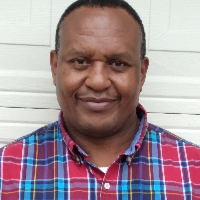
Texas · 7 yrs exp · 3 languages
Topics: Stress, Anxiety / Addictions / Relationship +13
Methods: Acceptance and Commitment Therapy (ACT) / Cognitive Behavioral Therapy (CBT)
View Profile
Missouri · 22 yrs exp
Topics: Stress, Anxiety / Addictions / Self esteem +2
View Profile
North Carolina · 10 yrs exp
Topics: Stress, Anxiety / Trauma and abuse / Self esteem +2
View Profile
Illinois · 39 yrs exp
Topics: Stress, Anxiety / Relationship / Grief +2
Methods: Client-Centered Therapy / Cognitive Behavioral Therapy (CBT)
View Profile
New Jersey · 25 yrs exp
Topics: Stress, Anxiety / Family / Anger +2
View Profile
Utah · 30 yrs exp
Topics: Stress, Anxiety / Trauma and abuse / Grief +2
View Profile
Florida · 9 yrs exp
Topics: Stress, Anxiety / Addictions / Self esteem +10
Methods: Client-Centered Therapy / Cognitive Behavioral Therapy (CBT)
View Profile
Texas · 12 yrs exp
Topics: Stress, Anxiety / Trauma and abuse / Eating +14
Methods: Client-Centered Therapy / Cognitive Behavioral Therapy (CBT)
View Profile
Louisiana · 20 yrs exp
Topics: Stress, Anxiety / Family / Parenting +10
Methods: Client-Centered Therapy / Cognitive Behavioral Therapy (CBT)
View Profile
California · 8 yrs exp
Topics: Stress, Anxiety / Addictions / Trauma and abuse +12
Methods: Attachment-Based Therapy / Client-Centered Therapy
View Profile
Kansas · 5 yrs exp
Topics: Trauma and abuse / Self esteem / Coping with life changes +12
Methods: Cognitive Behavioral Therapy (CBT) / Eye Movement Desensitization and Reprocessing (EMDR)
View Profile
South Carolina · 6 yrs exp
Topics: Stress, Anxiety / Trauma and abuse / Grief +10
Methods: Client-Centered Therapy / Cognitive Behavioral Therapy (CBT)
View Profile
Florida · 13 yrs exp · 2 languages
Topics: Stress, Anxiety / Relationship / Trauma and abuse +5
Methods: Client-Centered Therapy / Cognitive Behavioral Therapy (CBT)
View Profile
Pennsylvania · 40 yrs exp
Topics: Relationship / Family / Parenting +2
View Profile
Pennsylvania · 32 yrs exp · 2 languages
Topics: Stress, Anxiety / Addictions / Relationship +14
Methods: Acceptance and Commitment Therapy (ACT) / Client-Centered Therapy
View Profile
New York · 25 yrs exp · 2 languages
Topics: Stress, Anxiety / Trauma and abuse / Self esteem +12
Methods: Cognitive Behavioral Therapy (CBT) / Dialectical Behavior Therapy (DBT)
View Profile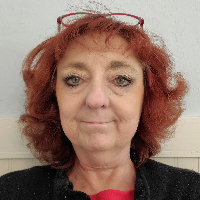
Oklahoma · 3 yrs exp
Topics: Stress, Anxiety / Anger / Depression +8
Methods: Cognitive Behavioral Therapy (CBT) / Eye Movement Desensitization and Reprocessing (EMDR)
View Profile
Tennessee · 10 yrs exp
Topics: Stress, Anxiety / Trauma and abuse / Self esteem +2
View Profile
Oklahoma · 26 yrs exp
Topics: Stress, Anxiety / Addictions / Trauma and abuse +2
View Profile
Kentucky · 12 yrs exp
Topics: Stress, Anxiety / Grief / Self esteem +9
Methods: Client-Centered Therapy / Cognitive Behavioral Therapy (CBT)
View Profile
Georgia · 10 yrs exp
Topics: Stress, Anxiety / Family / Trauma and abuse +12
Methods: Attachment-Based Therapy / Client-Centered Therapy
View Profile
Minnesota · 3 yrs exp
Topics: Stress, Anxiety / Addictions / Trauma and abuse +6
Methods: Client-Centered Therapy / Cognitive Behavioral Therapy (CBT)
View Profile
Michigan · 27 yrs exp
Topics: Stress, Anxiety / Addictions / Trauma and abuse +2
View Profile
North Carolina · 20 yrs exp
Topics: Stress, Anxiety / Addictions / Trauma and abuse +2
Methods: Cognitive Behavioral Therapy (CBT) / Solution-Focused Therapy
View Profile
New Jersey · 38 yrs exp
Topics: Stress, Anxiety / Addictions / Relationship +15
Methods: Client-Centered Therapy / Cognitive Behavioral Therapy (CBT)
View Profile
Louisiana · 21 yrs exp
Topics: Stress, Anxiety / Relationship / Trauma and abuse +10
Methods: Client-Centered Therapy / Cognitive Behavioral Therapy (CBT)
View Profile
Ohio · 25 yrs exp
Topics: Stress, Anxiety / Addictions / Relationship +2
Methods: Client-Centered Therapy / Cognitive Behavioral Therapy (CBT)
View Profile
Mississippi · 20 yrs exp
Topics: Stress, Anxiety / Relationship / Trauma and abuse +11
Methods: Client-Centered Therapy / Cognitive Behavioral Therapy (CBT)
View Profile
Texas · 5 yrs exp
Topics: Relationship / Family / Trauma and abuse +2
View ProfilePanic attacks are intense episodes of fear or discomfort that often peak within minutes and can include heart palpitations, shortness of breath, trembling, dizziness, sweating and a sense of losing control. Some people experience a single unexpected panic attack and never have another, while others develop repeated attacks that lead to ongoing worry about future episodes. When repeated panic attacks and persistent concern about their consequences interfere with everyday life, relationships or work, clinicians may describe the pattern as panic disorder. You do not need a diagnosis to seek help - many people reach out when symptoms start limiting their activities or when avoidance becomes a pattern.
Panic can shape routines in subtle and obvious ways. You may find yourself avoiding crowded places, steering clear of driving, or altering your social calendar to reduce perceived risk. Sleep and concentration can be disrupted by anticipatory anxiety. Over time, the worry about having another attack can become as distressing as the attacks themselves. People often describe a shrinking sense of freedom, a heightened vigilance in certain situations and difficulty trusting their own bodily sensations. Therapy can address both the immediate episodes and the patterns that sustain them.
You might benefit from therapy if panic attacks are frequent, intense or unpredictable, or if you find yourself avoiding people, places or situations out of fear of an attack. Therapy can also help when worry about future attacks leads to chronic anxiety, interferes with work or school, or affects relationships. If you notice that panic symptoms are causing you to drink more, use substances, isolate socially or make repeated changes to routines, these are signals that additional support could be helpful. Seeking help early can prevent patterns of avoidance from becoming entrenched.
Even if your panic attacks are occasional, therapy can give you tools to manage symptoms when they occur and to reduce the fear that can make attacks worse. Treatment often focuses on helping you understand your body’s reactions, retrain how you respond to anxious feelings and build resilience. You may also explore underlying stressors, life changes or co-occurring mental health concerns that contribute to panic. Choosing to work with a therapist does not require a severe or chronic condition - it is a practical step anyone can take to improve well-being.
Early sessions typically focus on understanding your experience with panic - when attacks began, what seems to trigger them, and how they affect your life. A therapist will ask about your history, current symptoms, coping strategies you already use and any medical or medication history that may be relevant. Together you will identify goals for therapy, which might include reducing attack frequency, decreasing avoidance, improving sleep or regaining confidence in certain situations. This assessment phase is also a time for you to learn about how a therapist works and how their approach fits with your needs.
Ongoing sessions often blend education, skill-building and practice. You can expect to learn about the physiological components of panic and how thoughts and behaviors interact with bodily sensations. Therapists usually introduce strategies you can try between sessions, such as breathing techniques, grounding exercises, and approaches to gently facing feared situations. Over time you will practice responding differently to sensations and thoughts that previously triggered escalation. Progress is usually gradual, with steady gains in confidence and a reduction in the intensity and impact of panic over weeks to months.
Several therapeutic approaches are commonly used to address panic, and different therapists may emphasize different techniques. Cognitive-behavioral strategies are frequently described by clinicians and involve identifying and modifying thoughts and behaviors that maintain panic, along with gradual exposure to feared sensations or situations. Mindfulness and acceptance-based approaches focus on changing your relationship to thoughts and sensations, helping you notice fear without getting swept away by it. Breathing retraining and interoceptive exposure target the physical sensations of panic to reduce fear of bodily cues that often trigger attacks.
When you review listings, you will see therapists who list particular approaches among their approaches. That phrasing indicates the methods they use with clients but does not certify any particular level of training. You can look for profiles that mention work with anxiety or panic specifically, and read any descriptions or sample goals to see how a therapist frames their work. If a therapist notes experience with trauma, stress-related conditions or mood concerns, that context can be relevant because panic often intersects with these areas.
Online therapy typically offers sessions by video, phone or messaging depending on the clinician. Video sessions are the closest mirror to in-person meetings and allow you and your therapist to observe nonverbal cues, while phone sessions can feel more personal for some people. Messaging or email-based support can supplement synchronous sessions, offering a way to share updates or homework between appointments. You will want to choose a setting that allows you to be in a quiet, uninterrupted location - many people find a private space at home or another calm area helpful during remote sessions.
Working remotely on panic requires attention to safety planning and technical setup. You and your therapist will likely discuss what to do if you experience a severe panic episode during a session, including steps to ground yourself and local emergency contacts if needed. It is useful to test your audio and video, ensure you have a reliable internet connection and plan where you will sit for sessions so you can practice exposure work if that is part of your plan. Remote therapy can make it easier to practice real-world exposures by completing exercises in the settings where you experience anxiety, while still having professional support.
When you explore therapist listings, focus on how practitioners describe their focus areas, approaches, credentials, languages and experience. Look for clinicians who specifically mention working with anxiety or panic, and read their profile blurbs for descriptions of typical goals and methods. Consider the approaches you prefer - some people favor a structured, skills-based path while others want an approach that pays more attention to emotions, life context or trauma. Languages spoken can be important for communicating nuance, and listed credentials can help you understand a clinician’s professional background.
Before contacting a therapist you might think about what matters most to you: Do you want a therapist who emphasizes practical tools, one who helps you explore underlying stressors, or a clinician who blends both? Are cultural background and language important factors? You may also want to consider logistics such as session length and fees, and whether you prefer in-person or online work. Reading profiles with these priorities in mind can help you narrow your options and select a therapist whose described approach aligns with your goals.
Finding the right fit can take time, and it is reasonable to try a few conversations to see how a therapist approaches panic-related concerns. Thoughtful matching between your needs and a therapist’s focus and style can make therapy more effective and help you regain a sense of control over panic symptoms and your daily life.
Alabama
170 therapists
Alaska
22 therapists
Arizona
135 therapists
Arkansas
87 therapists
Australia
343 therapists
California
1210 therapists
Colorado
241 therapists
Connecticut
128 therapists
Delaware
30 therapists
District of Columbia
30 therapists
Florida
1054 therapists
Georgia
312 therapists
Hawaii
37 therapists
Idaho
67 therapists
Illinois
415 therapists
Indiana
197 therapists
Iowa
43 therapists
Kansas
76 therapists
Kentucky
164 therapists
Louisiana
197 therapists
Maine
49 therapists
Maryland
219 therapists
Massachusetts
164 therapists
Michigan
371 therapists
Minnesota
138 therapists
Mississippi
121 therapists
Missouri
217 therapists
Montana
63 therapists
Nebraska
50 therapists
Nevada
63 therapists
New Hampshire
20 therapists
New Jersey
241 therapists
New Mexico
43 therapists
New York
643 therapists
North Carolina
411 therapists
North Dakota
10 therapists
Ohio
282 therapists
Oklahoma
176 therapists
Oregon
73 therapists
Pennsylvania
416 therapists
Rhode Island
25 therapists
South Carolina
211 therapists
South Dakota
25 therapists
Tennessee
169 therapists
Texas
1202 therapists
United Kingdom
1242 therapists
Utah
96 therapists
Vermont
23 therapists
Virginia
257 therapists
Washington
151 therapists
West Virginia
33 therapists
Wisconsin
153 therapists
Wyoming
25 therapists