
Alicia Stone, LMFT
California · 23 yrs exp
Topics: Stress, Anxiety / LGBT / Relationship +6
View ProfileTherapist listings come from BetterHelp, and we will earn a commission if you use our link - at no cost to you.
On this page you will find profiles of therapists who list Relationship as a specialty, including their approaches, credentials, languages, and focus areas. Browse the listings below to explore counselors who work with couples, partners, and families.
California · 23 yrs exp
Topics: Stress, Anxiety / LGBT / Relationship +6
View Profile
Minnesota · 14 yrs exp
Topics: Stress, Anxiety / Relationship / Family +9
View Profile
Illinois · 20 yrs exp
Topics: Stress, Anxiety / Relationship / Parenting +8
Methods: Client-Centered Therapy / Cognitive Behavioral Therapy (CBT)
View Profile
Ohio · 3 yrs exp
Topics: Addictions / Family / Anger +7
Methods: Client-Centered Therapy / Cognitive Behavioral Therapy (CBT)
View Profile
Pennsylvania · 12 yrs exp
Topics: Stress, Anxiety / Trauma and abuse / Self esteem +12
Methods: Client-Centered Therapy / Mindfulness Therapy
View Profile
Delaware · 16 yrs exp
Topics: Stress, Anxiety / Trauma and abuse / Grief +9
Methods: Cognitive Behavioral Therapy (CBT) / Eye Movement Desensitization and Reprocessing (EMDR)
View Profile
New York · 35 yrs exp
Topics: Stress, Anxiety / Self esteem / Career +11
Methods: Client-Centered Therapy / Mindfulness Therapy
View Profile
Oregon · 32 yrs exp
Topics: Stress, Anxiety / Relationship / Trauma and abuse +10
View Profile
North Carolina · 13 yrs exp
Topics: Stress, Anxiety / Relationship / Family +14
Methods: Acceptance and Commitment Therapy (ACT) / Client-Centered Therapy
View Profile
Florida · 13 yrs exp
Topics: Stress, Anxiety / Anger / Depression +14
Methods: Cognitive Behavioral Therapy (CBT) / Dialectical Behavior Therapy (DBT)
View Profile
Washington · 12 yrs exp
Topics: Stress, Anxiety / Family / Anger +7
View Profile
Virginia · 6 yrs exp
Topics: Stress, Anxiety / Trauma and abuse / Parenting +5
Methods: Client-Centered Therapy / Cognitive Behavioral Therapy (CBT)
View Profile
South Carolina · 10 yrs exp
Topics: Stress, Anxiety / Relationship / Family +2
Methods: Client-Centered Therapy / Cognitive Behavioral Therapy (CBT)
View Profile
Texas · 25 yrs exp
Topics: Stress, Anxiety / Relationship / Trauma and abuse +13
Methods: Acceptance and Commitment Therapy (ACT) / Cognitive Behavioral Therapy (CBT)
View Profile
Texas · 8 yrs exp
Topics: Stress, Anxiety / Grief / Self esteem +12
Methods: Cognitive Behavioral Therapy (CBT) / Solution-Focused Therapy
View Profile
Indiana · 11 yrs exp
Topics: Stress, Anxiety / Grief / Depression +9
Methods: Client-Centered Therapy / Cognitive Behavioral Therapy (CBT)
View Profile
Alabama · 8 yrs exp
Topics: Stress, Anxiety / Trauma and abuse / Anger +6
Methods: Client-Centered Therapy / Cognitive Behavioral Therapy (CBT)
View Profile
Arizona · 30 yrs exp
Topics: Stress, Anxiety / Trauma and abuse / Self esteem +12
Methods: Client-Centered Therapy / Cognitive Behavioral Therapy (CBT)
View Profile
Florida · 22 yrs exp
Topics: Stress, Anxiety / Self esteem / Depression +6
Methods: Acceptance and Commitment Therapy (ACT) / Client-Centered Therapy
View Profile
Georgia · 8 yrs exp
Topics: Stress, Anxiety / Relationship / Grief +6
Methods: Client-Centered Therapy / Cognitive Behavioral Therapy (CBT)
View Profile
New York · 7 yrs exp
Topics: Stress, Anxiety / Trauma and abuse / Self esteem +12
Methods: Acceptance and Commitment Therapy (ACT) / Client-Centered Therapy
View Profile
California · 10 yrs exp
Topics: Stress, Anxiety / Family / Parenting +6
Methods: Attachment-Based Therapy / Client-Centered Therapy
View Profile
Texas · 10 yrs exp
Topics: Stress, Anxiety / Relationship / Family +6
Methods: Client-Centered Therapy / Cognitive Behavioral Therapy (CBT)
View Profile
Texas · 8 yrs exp
Topics: Stress, Anxiety / Relationship / Self esteem +9
Methods: Client-Centered Therapy / Cognitive Behavioral Therapy (CBT)
View Profile
Texas · 6 yrs exp
Topics: Relationship / Family / Parenting +8
Methods: Client-Centered Therapy / Cognitive Behavioral Therapy (CBT)
View Profile
Georgia · 20 yrs exp
Topics: Stress, Anxiety / Addictions / Anger +11
Methods: Client-Centered Therapy / Cognitive Behavioral Therapy (CBT)
View Profile
Oregon · 10 yrs exp
Topics: Stress, Anxiety / Grief / Self esteem +11
Methods: Acceptance and Commitment Therapy (ACT) / Cognitive Behavioral Therapy (CBT)
View Profile
North Carolina · 30 yrs exp
Topics: Stress, Anxiety / Relationship / Family +11
Methods: Client-Centered Therapy / Cognitive Behavioral Therapy (CBT)
View Profile
Pennsylvania · 15 yrs exp
Topics: Stress, Anxiety / Trauma and abuse / Sleeping +10
View Profile
Nebraska · 25 yrs exp
Topics: Stress, Anxiety / Family / Trauma and abuse +13
Methods: Client-Centered Therapy / Cognitive Behavioral Therapy (CBT)
View Profile
Pennsylvania · 38 yrs exp
Topics: Stress, Anxiety / Grief / Depression +8
Methods: Client-Centered Therapy / Cognitive Behavioral Therapy (CBT)
View Profile
Wisconsin · 11 yrs exp
Topics: Stress, Anxiety / Relationship / Family +7
Methods: Client-Centered Therapy / Cognitive Behavioral Therapy (CBT)
View Profile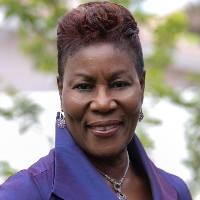
Florida · 21 yrs exp
Topics: Addictions / Relationship / Family +3
Methods: Client-Centered Therapy / Cognitive Behavioral Therapy (CBT)
View Profile
Texas · 4 yrs exp
Topics: Stress, Anxiety / Addictions / Relationship +4
Methods: Acceptance and Commitment Therapy (ACT) / Client-Centered Therapy
View Profile
North Carolina · 25 yrs exp
Topics: Stress, Anxiety / Addictions / Family +12
Methods: Client-Centered Therapy / Cognitive Behavioral Therapy (CBT)
View Profile
South Carolina · 20 yrs exp
Topics: Stress, Anxiety / Relationship / Eating +11
Methods: Client-Centered Therapy / Cognitive Behavioral Therapy (CBT)
View Profile
New York · 36 yrs exp
Topics: Stress, Anxiety / Family / Parenting +8
Methods: Client-Centered Therapy / Cognitive Behavioral Therapy (CBT)
View Profile
New Mexico · 3 yrs exp
Topics: Stress, Anxiety / Trauma and abuse / Depression +10
Methods: Cognitive Behavioral Therapy (CBT) / Hypnotherapy
View Profile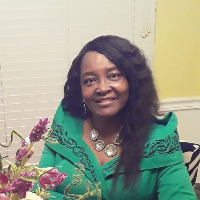
Florida · 20 yrs exp
Topics: Stress, Anxiety / Addictions / Relationship +2
Methods: Acceptance and Commitment Therapy (ACT) / Attachment-Based Therapy
View Profile
Illinois · 38 yrs exp
Topics: Stress, Anxiety / Self esteem / Depression +10
Methods: Client-Centered Therapy / Cognitive Behavioral Therapy (CBT)
View Profile
Texas · 9 yrs exp
Topics: Relationship / Self esteem / Career +2
View Profile
Michigan · 10 yrs exp
Topics: Relationship / Family / Self esteem +6
View Profile
Mississippi · 21 yrs exp
Topics: Stress, Anxiety / Family / Parenting +10
Methods: Acceptance and Commitment Therapy (ACT) / Client-Centered Therapy
View Profile
North Carolina · 16 yrs exp
Topics: Stress, Anxiety / Addictions / Trauma and abuse +14
Methods: Acceptance and Commitment Therapy (ACT) / Client-Centered Therapy
View Profile
Texas · 5 yrs exp
Topics: Stress, Anxiety / Relationship / Family +10
View Profile
New York · 14 yrs exp
Topics: Stress, Anxiety / Relationship / Trauma and abuse +6
Methods: Acceptance and Commitment Therapy (ACT) / Client-Centered Therapy
View Profile
New York · 18 yrs exp · 3 languages
Topics: Stress, Anxiety / Relationship / Parenting +2
View Profile
Texas · 8 yrs exp · 2 languages
Topics: Stress, Anxiety / Addictions / Anger +8
Methods: Client-Centered Therapy / Cognitive Behavioral Therapy (CBT)
View Profile
Texas · 3 yrs exp
Topics: Stress, Anxiety / Addictions / Relationship +6
Methods: Acceptance and Commitment Therapy (ACT) / Attachment-Based Therapy
View Profile
Florida · 8 yrs exp · 4 languages
Topics: Stress, Anxiety / Relationship / Family +10
Methods: Client-Centered Therapy / Cognitive Behavioral Therapy (CBT)
View Profile
Florida · 11 yrs exp · 2 languages
Topics: Stress, Anxiety / Relationship / Parenting +12
Methods: Acceptance and Commitment Therapy (ACT) / Cognitive Behavioral Therapy (CBT)
View Profile
Missouri · 22 yrs exp
Topics: Stress, Anxiety / Trauma and abuse / Self esteem +7
Methods: Client-Centered Therapy / Cognitive Behavioral Therapy (CBT)
View Profile
Missouri · 16 yrs exp
Topics: Stress, Anxiety / Relationship / Family +3
Methods: Cognitive Behavioral Therapy (CBT)
View Profile
Illinois · 11 yrs exp
Topics: Stress, Anxiety / Relationship / Family +2
View Profile
Minnesota · 7 yrs exp
Topics: Stress, Anxiety / LGBT / Trauma and abuse +10
Methods: Client-Centered Therapy / Cognitive Behavioral Therapy (CBT)
View Profile
Illinois · 10 yrs exp
Topics: Stress, Anxiety / Trauma and abuse / Grief +12
Methods: Client-Centered Therapy / Cognitive Behavioral Therapy (CBT)
View Profile
North Carolina · 20 yrs exp
Topics: Stress, Anxiety / Addictions / LGBT +2
Methods: Acceptance and Commitment Therapy (ACT) / Client-Centered Therapy
View Profile
Florida · 25 yrs exp
Topics: Stress, Anxiety / Relationship / Trauma and abuse +3
Methods: Cognitive Behavioral Therapy (CBT) / Dialectical Behavior Therapy (DBT)
View Profile
Georgia · 11 yrs exp
Topics: Addictions / Relationship / Trauma and abuse +2
Methods: Cognitive Behavioral Therapy (CBT)
View Profile
Michigan · 13 yrs exp
Topics: Stress, Anxiety / Relationship / Anger +2
View ProfileRelationship therapy focuses on the patterns and interactions between people who share an emotional connection. That connection can be romantic partners, dating couples, domestic partners, family members, or people forming new partnerships. Relationship work addresses how you and the other person communicate, resolve conflict, manage differences in values or life goals, and navigate changes such as becoming parents, relocating, or coping with health or career stressors. When relationships are strained, you may notice ripple effects across work, sleep, mood, and social life. Persistent conflict, distance, or repeated cycles of hurt can make everyday decisions feel heavier and can erode trust and enjoyment in time together.
Therapy in this area is not only for crises. Many people come when they feel stuck in recurring patterns they want to change, when they want to improve intimacy, or when they need tools to manage transitions. Because relationships involve two or more people, the work often explores both immediate concerns and deeper patterns formed over time. You can expect a focus on interactional habits, emotional needs, patterns of care and withdrawal, and practical skills for clearer communication and problem solving.
You might consider seeking help if arguments feel endless, if you avoid important conversations, or if you notice a steady decline in closeness and trust. Other signs include repeated breakups or reconciliations, feeling chronically misunderstood, or experiencing strong emotional reactivity that feels out of proportion to the situation. You may also seek support when you are entering a major change - such as blending families, cohabiting, or planning for a long-term commitment - and want to set a healthier foundation.
Relationship challenges can also show up as personal symptoms. If you find yourself feeling anxious or depressed and these feelings relate to patterns in your partnership, work with a relationship-focused therapist can help you connect personal emotional experience to relational dynamics. Some people look for help when conflict centers on infidelity, sexual concerns, financial disagreements, or differing parenting styles. Others want to improve everyday connection - wanting to feel heard, to share interests again, or to rebuild friendship in the relationship. No matter the reason, therapy is a place to explore what you value, test new ways of interacting, and practice skills that reduce harm and increase mutual understanding.
In the first few sessions, a therapist typically asks about the history of the relationship, current concerns, and what each person hopes to change. You can expect discussions about patterns of interaction rather than only the content of arguments. The therapist may help you clarify short-term goals, such as improving communication, and longer-term aims, like rebuilding trust. You and the therapist will often outline steps to take between sessions to practice new behaviors or communication skills.
As therapy progresses, sessions commonly combine emotional exploration with skill building. You may be guided to express needs in ways that reduce blame, to notice the triggers that escalate conflict, and to identify underlying attachment or expectation patterns. Tasks between sessions might include structured conversations, journaling about feelings, or practicing specific listening techniques. The pace can vary - sometimes sessions are emotionally intense, and at other times they focus on practical problem solving and habit changes. Your therapist’s role is to support reflection, introduce strategies, and help you experiment with new ways of relating.
Therapists draw on a number of approaches when addressing relationship concerns. Because there is no single method that fits every couple or partnership, practitioners often blend ideas to meet your needs. For example, some therapists emphasize patterns of interaction and emotional bonding, while others focus on communication skills, behavior change, or underlying personal narratives that shape how you relate. You may find therapists who list Emotionally Focused Therapy, Gottman-influenced methods, attachment-based approaches, psychodynamic perspectives, or solution-focused work among their approaches. Some therapists mention narrative or cognitive-behavioral strategies to help shift unhelpful thoughts and stories that perpetuate conflict.
It is important to note that a therapist listing an approach indicates their areas of focus, not an external certification. When exploring profiles you can look for descriptions of how they explain their approach and whether it resonates with you. Some approaches spend more time on emotion and bonding, while others concentrate on communication exercises and behavioral change. You can expect the therapist to explain their method and to adapt their stance to what you and the other person bring into the room.
Online relationship therapy often takes place via video sessions, but it can also include phone sessions or text and email exchanges depending on the therapist’s offered methods. Video sessions can approximate in-person work by allowing you to observe nonverbal cues and maintain eye contact. Some therapists offer sessions with both partners joining from the same location, while others conduct sessions with participants in separate locations. You may find that remote work makes it easier to schedule sessions around busy lives or to involve partners who live apart.
Many techniques used in in-person relationship therapy translate well online, with adaptations. Therapists may use screen sharing to review exercises, guide structured conversations while managing speaking turns, or assign multimedia resources for homework. Online settings can also raise specific considerations, such as ensuring a personal room where you can speak openly and planning for technical issues. If one or both partners feel more comfortable with remote work, online therapy can offer a flexible pathway to consistent sessions and ongoing practice.
When you are selecting a therapist, think about the issues you want to address and the style of help that suits you. Some people prefer therapists who emphasize emotional connection and insight, while others want a pragmatic approach with skills and exercises. Read profile statements to see which focus areas and approaches are described. Pay attention to languages spoken, years of experience working with relationships, and whether the therapist mentions particular population groups such as LGBTQ+ couples, blended families, or cross-cultural partnerships.
Because therapists often list the approaches they use, look for language that matches your preferences - for example, therapists who list Gottman-influenced approaches may describe structured skills work, while those who list attachment-focused work may emphasize emotional bonding. You may also consider practical factors such as whether the therapist works with individuals, couples, or families and whether they offer online sessions if that is important to you. Finally, when you reach out to a therapist, you can ask about how they typically structure sessions for relationship work and what a short plan of action might look like. That conversation can help you judge whether their style aligns with what you and your partner need.
Relationship work is a process of exploration and practice. Whether you are facing a specific conflict, managing a major life change, or simply wanting to deepen connection, finding a therapist whose approach and experience match your goals can give you structure, tools, and perspective to move forward. Use the listings above to learn more about individual therapists who list Relationship among their specialties, and select profiles that align with the approach and focus areas most important to you.
Alabama
170 therapists
Alaska
22 therapists
Arizona
135 therapists
Arkansas
87 therapists
Australia
343 therapists
California
1210 therapists
Colorado
241 therapists
Connecticut
128 therapists
Delaware
30 therapists
District of Columbia
30 therapists
Florida
1054 therapists
Georgia
312 therapists
Hawaii
37 therapists
Idaho
67 therapists
Illinois
415 therapists
Indiana
197 therapists
Iowa
43 therapists
Kansas
76 therapists
Kentucky
164 therapists
Louisiana
197 therapists
Maine
49 therapists
Maryland
219 therapists
Massachusetts
164 therapists
Michigan
371 therapists
Minnesota
138 therapists
Mississippi
121 therapists
Missouri
217 therapists
Montana
63 therapists
Nebraska
50 therapists
Nevada
63 therapists
New Hampshire
20 therapists
New Jersey
241 therapists
New Mexico
43 therapists
New York
643 therapists
North Carolina
411 therapists
North Dakota
10 therapists
Ohio
282 therapists
Oklahoma
176 therapists
Oregon
73 therapists
Pennsylvania
416 therapists
Rhode Island
25 therapists
South Carolina
211 therapists
South Dakota
25 therapists
Tennessee
169 therapists
Texas
1202 therapists
United Kingdom
1242 therapists
Utah
96 therapists
Vermont
23 therapists
Virginia
257 therapists
Washington
151 therapists
West Virginia
33 therapists
Wisconsin
153 therapists
Wyoming
25 therapists