
Sara Kaczmarek, LMFT
Minnesota · 14 yrs exp
Topics: Stress, Anxiety / Relationship / Family +9
View ProfileTherapist listings come from BetterHelp, and we will earn a commission if you use our link - at no cost to you.
Browse detailed profiles of therapists who focus on addictions, including substance and behavioral concerns. Use the listings below to explore approaches, credentials, languages and therapy formats and find practitioners who match what you need.
Minnesota · 14 yrs exp
Topics: Stress, Anxiety / Relationship / Family +9
View Profile
Ohio · 3 yrs exp
Topics: Addictions / Family / Anger +7
Methods: Client-Centered Therapy / Cognitive Behavioral Therapy (CBT)
View Profile
Oregon · 32 yrs exp
Topics: Stress, Anxiety / Relationship / Trauma and abuse +10
View Profile
North Carolina · 13 yrs exp
Topics: Stress, Anxiety / Relationship / Family +14
Methods: Acceptance and Commitment Therapy (ACT) / Client-Centered Therapy
View Profile
Florida · 13 yrs exp
Topics: Stress, Anxiety / Anger / Depression +14
Methods: Cognitive Behavioral Therapy (CBT) / Dialectical Behavior Therapy (DBT)
View Profile
Texas · 8 yrs exp
Topics: Stress, Anxiety / Grief / Self esteem +12
Methods: Cognitive Behavioral Therapy (CBT) / Solution-Focused Therapy
View Profile
Arizona · 30 yrs exp
Topics: Stress, Anxiety / Trauma and abuse / Self esteem +12
Methods: Client-Centered Therapy / Cognitive Behavioral Therapy (CBT)
View Profile
Georgia · 8 yrs exp
Topics: Stress, Anxiety / Relationship / Grief +6
Methods: Client-Centered Therapy / Cognitive Behavioral Therapy (CBT)
View Profile
New York · 7 yrs exp
Topics: Stress, Anxiety / Trauma and abuse / Self esteem +12
Methods: Acceptance and Commitment Therapy (ACT) / Client-Centered Therapy
View Profile
Texas · 8 yrs exp
Topics: Stress, Anxiety / Relationship / Self esteem +9
Methods: Client-Centered Therapy / Cognitive Behavioral Therapy (CBT)
View Profile
Georgia · 20 yrs exp
Topics: Stress, Anxiety / Addictions / Anger +11
Methods: Client-Centered Therapy / Cognitive Behavioral Therapy (CBT)
View Profile
North Carolina · 30 yrs exp
Topics: Stress, Anxiety / Relationship / Family +11
Methods: Client-Centered Therapy / Cognitive Behavioral Therapy (CBT)
View Profile
Nebraska · 25 yrs exp
Topics: Stress, Anxiety / Family / Trauma and abuse +13
Methods: Client-Centered Therapy / Cognitive Behavioral Therapy (CBT)
View Profile
Pennsylvania · 38 yrs exp
Topics: Stress, Anxiety / Grief / Depression +8
Methods: Client-Centered Therapy / Cognitive Behavioral Therapy (CBT)
View Profile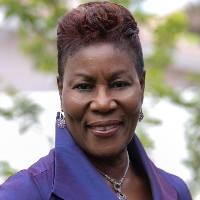
Florida · 21 yrs exp
Topics: Addictions / Relationship / Family +3
Methods: Client-Centered Therapy / Cognitive Behavioral Therapy (CBT)
View Profile
Texas · 4 yrs exp
Topics: Stress, Anxiety / Addictions / Relationship +4
Methods: Acceptance and Commitment Therapy (ACT) / Client-Centered Therapy
View Profile
North Carolina · 25 yrs exp
Topics: Stress, Anxiety / Addictions / Family +12
Methods: Client-Centered Therapy / Cognitive Behavioral Therapy (CBT)
View Profile
Georgia · 12 yrs exp
Topics: Stress, Anxiety / Addictions / Trauma and abuse +2
View Profile
South Carolina · 20 yrs exp
Topics: Stress, Anxiety / Relationship / Eating +11
Methods: Client-Centered Therapy / Cognitive Behavioral Therapy (CBT)
View Profile
Florida · 4 yrs exp · 2 languages
Topics: Stress, Anxiety / Trauma and abuse / Self esteem +9
Methods: Cognitive Behavioral Therapy (CBT) / Dialectical Behavior Therapy (DBT)
View Profile
New Mexico · 3 yrs exp
Topics: Stress, Anxiety / Trauma and abuse / Depression +10
Methods: Cognitive Behavioral Therapy (CBT) / Hypnotherapy
View Profile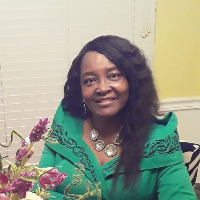
Florida · 20 yrs exp
Topics: Stress, Anxiety / Addictions / Relationship +2
Methods: Acceptance and Commitment Therapy (ACT) / Attachment-Based Therapy
View Profile
North Carolina · 16 yrs exp
Topics: Stress, Anxiety / Addictions / Trauma and abuse +14
Methods: Acceptance and Commitment Therapy (ACT) / Client-Centered Therapy
View Profile
Texas · 5 yrs exp
Topics: Stress, Anxiety / Relationship / Family +10
View Profile
New York · 14 yrs exp
Topics: Stress, Anxiety / Relationship / Trauma and abuse +6
Methods: Acceptance and Commitment Therapy (ACT) / Client-Centered Therapy
View Profile
Texas · 8 yrs exp · 2 languages
Topics: Stress, Anxiety / Addictions / Anger +8
Methods: Client-Centered Therapy / Cognitive Behavioral Therapy (CBT)
View Profile
Texas · 3 yrs exp
Topics: Stress, Anxiety / Addictions / Relationship +6
Methods: Acceptance and Commitment Therapy (ACT) / Attachment-Based Therapy
View Profile
Missouri · 9 yrs exp
Topics: Stress, Anxiety / Addictions / Trauma and abuse +2
View Profile
Florida · 10 yrs exp
Topics: Stress, Anxiety / Addictions / Trauma and abuse +2
View Profile
Minnesota · 7 yrs exp
Topics: Stress, Anxiety / LGBT / Trauma and abuse +10
Methods: Client-Centered Therapy / Cognitive Behavioral Therapy (CBT)
View Profile
Illinois · 10 yrs exp
Topics: Stress, Anxiety / Trauma and abuse / Grief +12
Methods: Client-Centered Therapy / Cognitive Behavioral Therapy (CBT)
View Profile
North Carolina · 20 yrs exp
Topics: Stress, Anxiety / Addictions / LGBT +2
Methods: Acceptance and Commitment Therapy (ACT) / Client-Centered Therapy
View Profile
Alabama · 17 yrs exp
Topics: Stress, Anxiety / Addictions / Grief +2
View Profile
Georgia · 11 yrs exp
Topics: Addictions / Relationship / Trauma and abuse +2
Methods: Cognitive Behavioral Therapy (CBT)
View Profile
Illinois · 5 yrs exp
Topics: Stress, Anxiety / Relationship / Trauma and abuse +13
Methods: Acceptance and Commitment Therapy (ACT) / Attachment-Based Therapy
View Profile
Ohio · 12 yrs exp
Topics: Stress, Anxiety / Depression / Coping with life changes +11
View Profile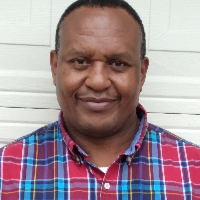
Texas · 7 yrs exp · 3 languages
Topics: Stress, Anxiety / Addictions / Relationship +13
Methods: Acceptance and Commitment Therapy (ACT) / Cognitive Behavioral Therapy (CBT)
View Profile
Illinois · 30 yrs exp
Topics: Family / Trauma and abuse / Grief +8
Methods: Cognitive Behavioral Therapy (CBT) / Psychodynamic Therapy
View Profile
Missouri · 22 yrs exp
Topics: Stress, Anxiety / Addictions / Self esteem +2
View Profile
New Jersey · 17 yrs exp
Topics: Stress, Anxiety / Addictions / Grief +8
Methods: Attachment-Based Therapy / Cognitive Behavioral Therapy (CBT)
View Profile
Florida · 13 yrs exp
Topics: Stress, Anxiety / Addictions / Relationship +2
Methods: Client-Centered Therapy / Cognitive Behavioral Therapy (CBT)
View Profile
Florida · 9 yrs exp
Topics: Stress, Anxiety / Addictions / Self esteem +10
Methods: Client-Centered Therapy / Cognitive Behavioral Therapy (CBT)
View Profile
Texas · 12 yrs exp
Topics: Stress, Anxiety / Trauma and abuse / Eating +14
Methods: Client-Centered Therapy / Cognitive Behavioral Therapy (CBT)
View Profile
Louisiana · 20 yrs exp
Topics: Stress, Anxiety / Family / Parenting +10
Methods: Client-Centered Therapy / Cognitive Behavioral Therapy (CBT)
View Profile
California · 8 yrs exp
Topics: Stress, Anxiety / Addictions / Trauma and abuse +12
Methods: Attachment-Based Therapy / Client-Centered Therapy
View Profile
Kansas · 5 yrs exp
Topics: Trauma and abuse / Self esteem / Coping with life changes +12
Methods: Cognitive Behavioral Therapy (CBT) / Eye Movement Desensitization and Reprocessing (EMDR)
View Profile
North Carolina · 25 yrs exp
Topics: Stress, Anxiety / Relationship / Depression +2
Methods: Client-Centered Therapy / Cognitive Behavioral Therapy (CBT)
View Profile
Michigan · 22 yrs exp
Topics: Stress, Anxiety / Addictions / Trauma and abuse +11
Methods: Client-Centered Therapy / Cognitive Behavioral Therapy (CBT)
View Profile
Pennsylvania · 32 yrs exp · 2 languages
Topics: Stress, Anxiety / Addictions / Relationship +14
Methods: Acceptance and Commitment Therapy (ACT) / Client-Centered Therapy
View Profile
Louisiana · 22 yrs exp
Topics: Stress, Anxiety / Grief / Self esteem +6
Methods: Client-Centered Therapy / Cognitive Behavioral Therapy (CBT)
View Profile
Kentucky · 7 yrs exp
Topics: Stress, Anxiety / Relationship / Trauma and abuse +10
Methods: Client-Centered Therapy / Cognitive Behavioral Therapy (CBT)
View Profile
Oklahoma · 6 yrs exp
Topics: Stress, Anxiety / Trauma and abuse / Depression +6
Methods: Acceptance and Commitment Therapy (ACT) / Client-Centered Therapy
View Profile
Georgia · 10 yrs exp
Topics: Stress, Anxiety / Addictions / Family +2
View Profile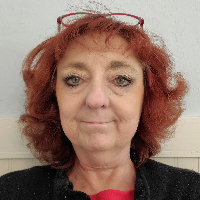
Oklahoma · 3 yrs exp
Topics: Stress, Anxiety / Anger / Depression +8
Methods: Cognitive Behavioral Therapy (CBT) / Eye Movement Desensitization and Reprocessing (EMDR)
View Profile
Louisiana · 40 yrs exp
Topics: Stress, Anxiety / Addictions / Relationship +3
Methods: Client-Centered Therapy / Cognitive Behavioral Therapy (CBT)
View Profile
Louisiana · 11 yrs exp
Topics: Stress, Anxiety / Addictions / LGBT +13
Methods: Acceptance and Commitment Therapy (ACT) / Attachment-Based Therapy
View Profile
Mississippi · 10 yrs exp
Topics: Stress, Anxiety / Addictions / Anger +10
Methods: Acceptance and Commitment Therapy (ACT) / Client-Centered Therapy
View Profile
Missouri · 14 yrs exp
Topics: Stress, Anxiety / Addictions / Anger +11
Methods: Acceptance and Commitment Therapy (ACT) / Client-Centered Therapy
View Profile
Oklahoma · 26 yrs exp
Topics: Stress, Anxiety / Addictions / Trauma and abuse +2
View Profile
Florida · 22 yrs exp
Topics: Stress, Anxiety / Addictions / Self esteem +10
Methods: Client-Centered Therapy / Cognitive Behavioral Therapy (CBT)
View ProfileAddictions can involve repeated patterns of behavior or substance use that start to interfere with work, relationships and daily routines. They do not look the same for everyone. For some people the pattern centers on alcohol or drugs; for others it involves behaviors such as gambling, compulsive shopping, gaming or eating patterns. What those experiences have in common is that they can gradually shift priorities, erode coping resources and intensify stress and shame, often creating a cycle that feels difficult to break.
Because addictions often develop alongside other challenges - anxiety, depression, trauma, chronic pain or social stressors - their impact is rarely isolated. You may notice changes in sleep, appetite, mood regulation or motivation, or find that responsibilities are postponed or avoided. The social effects can be profound: relationships may become strained, trust can be reduced and financial or legal consequences may appear. Recognizing that these patterns are often shaped by biology, environment and learned coping strategies can help you approach recovery as a process rather than a single event.
If you are wondering whether therapy could help, look for patterns that persist despite attempts to cut back or stop. You might find yourself spending increasing time and energy on a substance or behavior, thinking about it frequently, or experiencing strong urges even when knowing the negative consequences. You may also notice changes in functioning at work, school or home, or feel more isolated because of the behavior. Emotional signs can include heightened anxiety when trying to reduce use, a sense of hopelessness, or recurring thoughts that focus on the next opportunity to use or engage.
Therapy can be helpful whether you are in early stages of concern or have long-standing patterns. If cravings, blackouts, missed obligations or strained relationships are part of your daily life, a conversation with a therapist can help you clarify goals and options. Many people seek counseling not only to stop or reduce a behavior but to understand triggers, manage stress, rebuild relationships and create practical strategies for day-to-day life.
When you begin sessions for addictions, expect an initial phase where the therapist focuses on getting to know your history, patterns and priorities. You will likely discuss what you want to change, what has and has not worked before and any medical or social factors that affect your situation. Sessions typically balance practical strategies with exploration of underlying issues. You might work on coping tools for urges and cravings, restructuring routines to reduce exposure to triggers, or addressing thoughts and beliefs that maintain the pattern.
Therapy can also include work on relapse planning and skill building for common high-risk moments. Many people find it useful to develop a step-by-step plan for managing cravings, rebuilding trust in relationships and maintaining progress. Family or couples work may be part of the process if relationships are affected. information-sharing boundaries protections vary by setting so it is normal to discuss limits of privacy during intake. Over time, sessions aim to expand your choices, strengthen supports and reduce the power that a substance or behavior holds in your life.
There is no single path that fits everyone; therapists use a range of approaches and you can look for practitioners who list specific methods among their approaches. Cognitive behavioral therapy, often listed by clinicians, focuses on identifying and changing thoughts and behaviors that contribute to use. Motivational interviewing is commonly cited by therapists who emphasize enhancing your reasons for change and reducing ambivalence in a collaborative way. Some clinicians mention relapse prevention strategies that focus on identifying triggers, rehearsing coping responses and planning for setbacks.
Other approaches you may see listed include mindfulness-based methods that help you observe cravings without acting on them, and family or systemic approaches that address relationship patterns and support networks. Some therapists list contingency management or harm reduction among their approaches, which emphasize practical goals and stepwise behavior changes rather than an all-or-nothing model. You may also find therapists who list EMDR or trauma-focused approaches among their approaches when past trauma is part of the story. When reviewing profiles, note which approaches align with your goals and values, and consider whether you prefer an approach that emphasizes skills training, insight work or a combination of both.
Online therapy has become a common option for people seeking help with addictions. You can connect with clinicians via video, phone or messaging in ways that fit your schedule and comfort level. Online sessions enable access to clinicians in different regions, specialists who focus on addiction-related work and therapists who list specific approaches you prefer. Many people appreciate the ability to attend sessions from a comfortable environment and to integrate counseling with local services when needed.
When choosing a therapist for addictions, start by clarifying your goals - whether you want to reduce harm, stop a behavior entirely, address co-occurring mental health concerns or repair relationships. Look for profiles that describe relevant experience, approaches and languages, and pay attention to how a clinician frames their work with people facing addictive patterns. You may value therapists who list approaches that match your preferred style, such as cognitive behavioral work, motivational interviewing or family systems. It can be helpful to learn whether the clinician collaborates with medical providers, addiction medicine specialists or community support programs if you expect to need integrated care.
Trust your instincts about fit. The relationship with your therapist is a central factor in progress, so consider whether a clinician’s description feels respectful of your experience and realistic about challenges. Think about practical factors such as session format, fees and whether the therapist lists experience with issues similar to yours. If you are exploring online options, check technological requirements and ask how the clinician handles crisis or emergency situations since those procedures vary. Taking time to review profiles and to reach out for an initial conversation can help you identify a professional whose approach and communication style match your needs as you work toward change.
Alabama
170 therapists
Alaska
22 therapists
Arizona
135 therapists
Arkansas
87 therapists
Australia
343 therapists
California
1210 therapists
Colorado
241 therapists
Connecticut
128 therapists
Delaware
30 therapists
District of Columbia
30 therapists
Florida
1054 therapists
Georgia
312 therapists
Hawaii
37 therapists
Idaho
67 therapists
Illinois
415 therapists
Indiana
197 therapists
Iowa
43 therapists
Kansas
76 therapists
Kentucky
164 therapists
Louisiana
197 therapists
Maine
49 therapists
Maryland
219 therapists
Massachusetts
164 therapists
Michigan
371 therapists
Minnesota
138 therapists
Mississippi
121 therapists
Missouri
217 therapists
Montana
63 therapists
Nebraska
50 therapists
Nevada
63 therapists
New Hampshire
20 therapists
New Jersey
241 therapists
New Mexico
43 therapists
New York
643 therapists
North Carolina
411 therapists
North Dakota
10 therapists
Ohio
282 therapists
Oklahoma
176 therapists
Oregon
73 therapists
Pennsylvania
416 therapists
Rhode Island
25 therapists
South Carolina
211 therapists
South Dakota
25 therapists
Tennessee
169 therapists
Texas
1202 therapists
United Kingdom
1242 therapists
Utah
96 therapists
Vermont
23 therapists
Virginia
257 therapists
Washington
151 therapists
West Virginia
33 therapists
Wisconsin
153 therapists
Wyoming
25 therapists