
Sara Kaczmarek, LMFT
Minnesota · 14 yrs exp
Topics: Stress, Anxiety / Relationship / Family +9
View ProfileTherapist listings come from BetterHelp, and we will earn a commission if you use our link - at no cost to you.
This page lists therapists who focus on forgiveness as part of healing from hurt, betrayal, grief, or longstanding resentment. Browse practitioner profiles below to compare approaches, credentials, languages, and experience.
Use the listings to find professionals who describe a focus on forgiveness and related themes, and learn more about what forgiveness work can involve.
Minnesota · 14 yrs exp
Topics: Stress, Anxiety / Relationship / Family +9
View Profile
Texas · 11 yrs exp
Topics: Stress, Anxiety / Bipolar / Depression +3
Methods: Client-Centered Therapy / Cognitive Behavioral Therapy (CBT)
View Profile
Illinois · 20 yrs exp
Topics: Stress, Anxiety / Relationship / Parenting +8
Methods: Client-Centered Therapy / Cognitive Behavioral Therapy (CBT)
View Profile
Oregon · 14 yrs exp
Topics: Grief / Self esteem / Career +9
Methods: Client-Centered Therapy / Cognitive Behavioral Therapy (CBT)
View Profile
New York · 35 yrs exp
Topics: Stress, Anxiety / Self esteem / Career +11
Methods: Client-Centered Therapy / Mindfulness Therapy
View Profile
Oregon · 32 yrs exp
Topics: Stress, Anxiety / Relationship / Trauma and abuse +10
View Profile
North Carolina · 13 yrs exp
Topics: Stress, Anxiety / Relationship / Family +14
Methods: Acceptance and Commitment Therapy (ACT) / Client-Centered Therapy
View Profile
South Carolina · 10 yrs exp
Topics: Stress, Anxiety / Relationship / Family +2
Methods: Client-Centered Therapy / Cognitive Behavioral Therapy (CBT)
View Profile
Texas · 25 yrs exp
Topics: Stress, Anxiety / Relationship / Trauma and abuse +13
Methods: Acceptance and Commitment Therapy (ACT) / Cognitive Behavioral Therapy (CBT)
View Profile
Indiana · 11 yrs exp
Topics: Stress, Anxiety / Grief / Depression +9
Methods: Client-Centered Therapy / Cognitive Behavioral Therapy (CBT)
View Profile
Alabama · 8 yrs exp
Topics: Stress, Anxiety / Trauma and abuse / Anger +6
Methods: Client-Centered Therapy / Cognitive Behavioral Therapy (CBT)
View Profile
Louisiana · 14 yrs exp
Topics: Stress, Anxiety / Anger / Self esteem +10
View Profile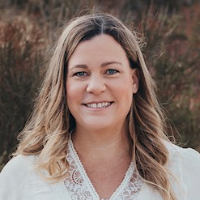
California · 10 yrs exp
Topics: Stress, Anxiety / Family / Parenting +6
Methods: Attachment-Based Therapy / Client-Centered Therapy
View Profile
Texas · 10 yrs exp
Topics: Stress, Anxiety / Relationship / Family +6
Methods: Client-Centered Therapy / Cognitive Behavioral Therapy (CBT)
View Profile
Texas · 6 yrs exp
Topics: Relationship / Family / Parenting +8
Methods: Client-Centered Therapy / Cognitive Behavioral Therapy (CBT)
View Profile
Georgia · 20 yrs exp
Topics: Stress, Anxiety / Addictions / Anger +11
Methods: Client-Centered Therapy / Cognitive Behavioral Therapy (CBT)
View Profile
Oregon · 10 yrs exp
Topics: Stress, Anxiety / Grief / Self esteem +11
Methods: Acceptance and Commitment Therapy (ACT) / Cognitive Behavioral Therapy (CBT)
View Profile
Nebraska · 25 yrs exp
Topics: Stress, Anxiety / Family / Trauma and abuse +13
Methods: Client-Centered Therapy / Cognitive Behavioral Therapy (CBT)
View Profile
Wisconsin · 11 yrs exp
Topics: Stress, Anxiety / Relationship / Family +7
Methods: Client-Centered Therapy / Cognitive Behavioral Therapy (CBT)
View Profile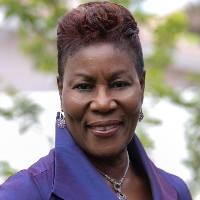
Florida · 21 yrs exp
Topics: Addictions / Relationship / Family +3
Methods: Client-Centered Therapy / Cognitive Behavioral Therapy (CBT)
View Profile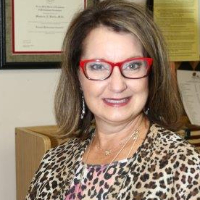
Texas · 4 yrs exp
Topics: Stress, Anxiety / Addictions / Relationship +4
Methods: Acceptance and Commitment Therapy (ACT) / Client-Centered Therapy
View Profile
North Carolina · 25 yrs exp
Topics: Stress, Anxiety / Addictions / Family +12
Methods: Client-Centered Therapy / Cognitive Behavioral Therapy (CBT)
View Profile
Louisiana · 14 yrs exp
Topics: Stress, Anxiety / Parenting / Anger +2
Methods: Attachment-Based Therapy / Client-Centered Therapy
View Profile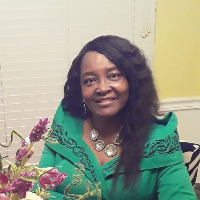
Florida · 20 yrs exp
Topics: Stress, Anxiety / Addictions / Relationship +2
Methods: Acceptance and Commitment Therapy (ACT) / Attachment-Based Therapy
View Profile
Illinois · 38 yrs exp
Topics: Stress, Anxiety / Self esteem / Depression +10
Methods: Client-Centered Therapy / Cognitive Behavioral Therapy (CBT)
View Profile
Texas · 9 yrs exp
Topics: Relationship / Self esteem / Career +2
View Profile
Mississippi · 21 yrs exp
Topics: Stress, Anxiety / Family / Parenting +10
Methods: Acceptance and Commitment Therapy (ACT) / Client-Centered Therapy
View Profile
North Carolina · 16 yrs exp
Topics: Stress, Anxiety / Addictions / Trauma and abuse +14
Methods: Acceptance and Commitment Therapy (ACT) / Client-Centered Therapy
View Profile
Texas · 5 yrs exp
Topics: Stress, Anxiety / Relationship / Family +10
View Profile
Louisiana · 15 yrs exp
Topics: Stress, Anxiety / Trauma and abuse / Grief +2
View Profile
New York · 18 yrs exp · 3 languages
Topics: Stress, Anxiety / Relationship / Parenting +2
View Profile
Texas · 3 yrs exp
Topics: Stress, Anxiety / Addictions / Relationship +6
Methods: Acceptance and Commitment Therapy (ACT) / Attachment-Based Therapy
View Profile
Florida · 8 yrs exp · 4 languages
Topics: Stress, Anxiety / Relationship / Family +10
Methods: Client-Centered Therapy / Cognitive Behavioral Therapy (CBT)
View Profile
Florida · 11 yrs exp · 2 languages
Topics: Stress, Anxiety / Relationship / Parenting +12
Methods: Acceptance and Commitment Therapy (ACT) / Cognitive Behavioral Therapy (CBT)
View Profile
Missouri · 22 yrs exp
Topics: Stress, Anxiety / Trauma and abuse / Self esteem +7
Methods: Client-Centered Therapy / Cognitive Behavioral Therapy (CBT)
View Profile
Florida · 20 yrs exp
Topics: Stress, Anxiety / Trauma and abuse / Anger +2
Methods: Client-Centered Therapy / Cognitive Behavioral Therapy (CBT)
View Profile
Florida · 10 yrs exp
Topics: Stress, Anxiety / Addictions / Trauma and abuse +2
View Profile
Illinois · 10 yrs exp
Topics: Stress, Anxiety / Trauma and abuse / Grief +12
Methods: Client-Centered Therapy / Cognitive Behavioral Therapy (CBT)
View Profile
North Carolina · 20 yrs exp
Topics: Stress, Anxiety / Addictions / LGBT +2
Methods: Acceptance and Commitment Therapy (ACT) / Client-Centered Therapy
View Profile
Alabama · 17 yrs exp
Topics: Stress, Anxiety / Addictions / Grief +2
View Profile
Florida · 25 yrs exp
Topics: Stress, Anxiety / Relationship / Trauma and abuse +3
Methods: Cognitive Behavioral Therapy (CBT) / Dialectical Behavior Therapy (DBT)
View Profile
Georgia · 3 yrs exp
Topics: Stress, Anxiety / Self esteem / Career +2
Methods: Client-Centered Therapy / Mindfulness Therapy
View Profile
Georgia · 11 yrs exp
Topics: Addictions / Relationship / Trauma and abuse +2
Methods: Cognitive Behavioral Therapy (CBT)
View Profile
Nevada · 25 yrs exp
Topics: Stress, Anxiety / Relationship / Family +2
Methods: Attachment-Based Therapy / Client-Centered Therapy
View Profile
Illinois · 5 yrs exp
Topics: Stress, Anxiety / Relationship / Trauma and abuse +13
Methods: Acceptance and Commitment Therapy (ACT) / Attachment-Based Therapy
View Profile
Montana · 10 yrs exp
Topics: Stress, Anxiety / Trauma and abuse / Grief +10
Methods: Attachment-Based Therapy / Client-Centered Therapy
View Profile
Florida · 8 yrs exp
Topics: Stress, Anxiety / Trauma and abuse / Parenting +12
Methods: Cognitive Behavioral Therapy (CBT) / Solution-Focused Therapy
View Profile
Illinois · 30 yrs exp
Topics: Family / Trauma and abuse / Grief +8
Methods: Cognitive Behavioral Therapy (CBT) / Psychodynamic Therapy
View Profile
Missouri · 22 yrs exp
Topics: Stress, Anxiety / Addictions / Self esteem +2
View Profile
Pennsylvania · 17 yrs exp
Topics: Stress, Anxiety / Trauma and abuse / Self esteem +2
View Profile
Florida · 13 yrs exp
Topics: Stress, Anxiety / Addictions / Relationship +2
Methods: Client-Centered Therapy / Cognitive Behavioral Therapy (CBT)
View Profile
Illinois · 39 yrs exp
Topics: Stress, Anxiety / Relationship / Grief +2
Methods: Client-Centered Therapy / Cognitive Behavioral Therapy (CBT)
View Profile
Texas · 15 yrs exp
Topics: Stress, Anxiety / Family / Parenting +10
Methods: Client-Centered Therapy / Cognitive Behavioral Therapy (CBT)
View Profile
Utah · 30 yrs exp
Topics: Stress, Anxiety / Trauma and abuse / Grief +2
View Profile
Louisiana · 27 yrs exp
Topics: Stress, Anxiety / Relationship / Self esteem +5
Methods: Attachment-Based Therapy / Client-Centered Therapy
View Profile
Florida · 9 yrs exp
Topics: Stress, Anxiety / Addictions / Self esteem +10
Methods: Client-Centered Therapy / Cognitive Behavioral Therapy (CBT)
View Profile
Texas · 12 yrs exp
Topics: Stress, Anxiety / Trauma and abuse / Eating +14
Methods: Client-Centered Therapy / Cognitive Behavioral Therapy (CBT)
View Profile
Indiana · 35 yrs exp
Topics: Stress, Anxiety / Grief / Self esteem +5
Methods: Client-Centered Therapy / Cognitive Behavioral Therapy (CBT)
View Profile
Louisiana · 20 yrs exp
Topics: Stress, Anxiety / Family / Parenting +10
Methods: Client-Centered Therapy / Cognitive Behavioral Therapy (CBT)
View Profile
California · 8 yrs exp
Topics: Stress, Anxiety / Addictions / Trauma and abuse +12
Methods: Attachment-Based Therapy / Client-Centered Therapy
View ProfileForgiveness is often described as a shift in how you relate to a past hurt rather than a single event. For many people it means moving from a cycle of rumination, anger, or avoidance toward a way of remembering that reduces the intensity of negative feelings and allows more energy for present life. Forgiveness does not require forgetting or condoning what happened. It also does not always mean reconciliation with the person who caused the harm. Instead, forgiveness can be oriented toward your own wellbeing - a way to reallocate emotional resources so you can function more effectively in relationships, at work, and in daily life.
When forgiveness is unresolved it can show up as ongoing anger, intrusive thoughts, strained relationships, or difficulty trusting others. People may notice patterns of self-blame, withdrawal, or persistent resentment that shape decisions and interactions. Over time, holding on to hurt can affect your mood, sleep, and ability to engage in meaningful activities. Pursuing forgiveness work in therapy aims to help you identify the roles of memory, identity, and meaning in your response to harm, and to explore alternatives that feel realistic and personally meaningful.
You might consider forgiveness-focused therapy if you find yourself replaying a painful event repeatedly, if anger or bitterness follows you into new relationships, or if historical wounds are limiting how you live today. Other signs include chronic relationship conflict tied to an unresolved past, difficulty trusting, or if grief and sorrow are entangled with feelings of blame. If attempts at forgiveness have felt forced, incomplete, or have led to confusion about boundaries, a therapeutic setting can help you explore what forgiveness would actually mean for you.
Forgiveness work can be especially helpful when harms are complicated - for example when the person who caused the pain is a family member, when abuse or betrayal is involved, or when multiple events contribute to a pattern of mistrust. In such cases you may need support to sort through safety considerations, to establish healthy boundaries, and to distinguish between forgiving for your own wellbeing and reestablishing contact. Therapy provides a space to pace this work, to examine beliefs that maintain resentment, and to practice alternatives that honor your needs and values.
Early sessions typically involve exploring the histories and stories that keep the wound present for you. Your therapist will ask about the event or pattern that feels unresolved, your emotional responses, and the ways this issue affects your daily life. Together you will co-create goals - these may include reducing intrusive thoughts, restoring a sense of agency, repairing a relationship if appropriate, or finding ways to live with the memory without it dominating your life. The pace is tailored to you, respecting how ready you feel to approach the hurt.
Forgiveness-focused therapy often balances emotional processing with practical strategies. Sessions may include guided reflection on the meaning of the event, exercises to understand how you have been impacted, and opportunities to reframe elements of the narrative that keep you stuck. You may practice skills for managing strong emotions, for setting boundaries, and for communicating needs effectively. The work is collaborative and iterative - as you try new ways of relating to the past, you will revisit and adjust goals to match what is most helpful.
Therapists use a variety of approaches when clients bring forgiveness goals. Some frameworks emphasize cognitive reframing and behavioral experiments to shift patterns of thought and reactivity. Other approaches focus on processing painful memories and the emotions attached to them, helping you to integrate those experiences into a broader sense of self. There are also relational and systemic perspectives that look at how family patterns, cultural narratives, and attachment histories contribute to how you hold on to or let go of past harms.
On a directory profile you may see therapists who list cognitive behavioral approaches, emotion-focused work, narrative methods, or somatic-informed practices among their approaches. You might also encounter therapists who list methods that address memory and trauma processing; in those cases it is helpful to note that the profile indicates an approach rather than guaranteeing a specific certification. Being aware of the ways different approaches frame forgiveness - as meaning-making, emotional processing, boundary-setting, or reparative action - can help you decide which language resonates with your goals.
Online therapy can make forgiveness-focused work accessible across distance and scheduling constraints. Sessions are commonly offered via video, phone, or messaging formats, each with strengths depending on your comfort level with emotional expression. Video calls allow for visual cues and a face-to-face feel, while phone or text-based options may be preferable if you want a less intense entry point. Many therapists adapt rituals and exercises for virtual settings, using guided reflection, written exercises, or between-session tasks to support progress. A reliable internet connection and a quiet, comfortable environment can help you get the most out of remote sessions.
When choosing a therapist for forgiveness work, think about the therapist's focus areas, described approaches, credentials, languages spoken, and experience with issues similar to yours. Consider whether you prefer a therapist who emphasizes emotional processing, practical skill-building, or relational repair. Ask yourself whether cultural factors are important - you may want a clinician who understands your background, community norms, or faith context. It is also useful to note how therapists describe their work with forgiveness on their profiles: do they talk about pacing, boundary-setting, or steps toward reconciliation? These descriptors can help you identify clinicians whose perspectives align with your needs.
Before beginning, reflect on what you hope will be different in your life as a result of the work. You might write down a few specific goals, examples of situations that keep the hurt active, and any concerns about safety or contact with the other person. In early sessions you and your therapist will likely clarify goals and agree on a pace that feels manageable. Remember that forgiveness is often gradual; progress may include short-term shifts in perspective, improvements in emotional regulation, or clearer boundaries rather than immediate resolution. If you try a therapist and feel it is not the right fit, profiles allow you to compare other clinicians who list forgiveness among their focuses so you can continue the search with a clearer sense of what you need.
Alabama
170 therapists
Alaska
22 therapists
Arizona
135 therapists
Arkansas
87 therapists
Australia
343 therapists
California
1210 therapists
Colorado
241 therapists
Connecticut
128 therapists
Delaware
30 therapists
District of Columbia
30 therapists
Florida
1054 therapists
Georgia
312 therapists
Hawaii
37 therapists
Idaho
67 therapists
Illinois
415 therapists
Indiana
197 therapists
Iowa
43 therapists
Kansas
76 therapists
Kentucky
164 therapists
Louisiana
197 therapists
Maine
49 therapists
Maryland
219 therapists
Massachusetts
164 therapists
Michigan
371 therapists
Minnesota
138 therapists
Mississippi
121 therapists
Missouri
217 therapists
Montana
63 therapists
Nebraska
50 therapists
Nevada
63 therapists
New Hampshire
20 therapists
New Jersey
241 therapists
New Mexico
43 therapists
New York
643 therapists
North Carolina
411 therapists
North Dakota
10 therapists
Ohio
282 therapists
Oklahoma
176 therapists
Oregon
73 therapists
Pennsylvania
416 therapists
Rhode Island
25 therapists
South Carolina
211 therapists
South Dakota
25 therapists
Tennessee
169 therapists
Texas
1202 therapists
United Kingdom
1242 therapists
Utah
96 therapists
Vermont
23 therapists
Virginia
257 therapists
Washington
151 therapists
West Virginia
33 therapists
Wisconsin
153 therapists
Wyoming
25 therapists