Bryon Scott, LMHC
Licensed Mental Health Counselor - Anxiety and Addictions
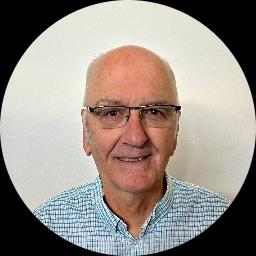
- Credentials
- LMHC
- License
- LMHC, Washington / MHC.LH.60146267
- NPI
- 1164565750
About Bryon
Bryon Scott is a Washington state Licensed Mental Health Counselor (LMHC) with 30 years of professional experience. He works with adults facing stress, anxiety, addictions, self-esteem concerns, bipolar disorder, and depression. Sessions are conducted in English and intended for people located in Washington.
He helps people talk through difficult moods and build practical skills to manage day-to-day stress. His work addresses addiction and motivation by focusing on concrete steps a person can take.
Background and approach
He also supports people struggling with body image, isolation, caregiver strain, and financial worries. Bryon uses techniques drawn from cognitive behavioral therapy to identify and change unhelpful thinking and behavior patterns. He incorporates mindfulness methods to help clients notice their thoughts and feelings without getting overwhelmed.
Motivational interviewing is a tool he uses to clarify goals and strengthen the desire to change. He also applies solution-focused and trauma-focused approaches when they fit a person’s needs. That can look like setting small, achievable goals or addressing past events that continue to affect current life.
The emphasis is on concrete strategies people can practice between sessions. Bryon frames therapy as a collaborative effort. He treats clients as the experts on their own lives while offering practical tools and steps forward.
To begin, people complete a short matching questionnaire and schedule a first session to discuss initial goals and next steps.
How Bryon applies therapeutic methods online
CBT, or cognitive behavioral therapy, focuses on identifying thought and behavior patterns that contribute to stress or low mood. It helps people test unhelpful thoughts and build new habits to reduce anxiety and depressive symptoms.Mindfulness therapy encourages noticing present-moment thoughts and sensations without judgment. It can reduce reactivity to difficult feelings and support emotional regulation for anxiety and mood concerns.
Motivational interviewing is a conversational approach that clarifies personal goals and strengthens motivation to change. It is often used alongside other techniques when someone is working on addiction, behavior change, or increasing engagement in treatment.
Finding the right mix of approaches is part of the early work. He will collaborate with each person to choose strategies that match their needs, goals, and preferences. That collaborative choice guides what is practiced between sessions and the pacing of work.
Confirm the exact session delivery options before booking since formats are not specified in the biography. Online sessions can make it easier to fit therapy into a busy schedule, reduce travel time, allow shorter check-ins when needed, and let people join from wherever they are located in Washington. Practical benefits include scheduling flexibility and the ability to continue work even when life is busy.
Frequently asked questions
What concerns does he focus on most?
What is his therapeutic style?
How much experience does he have?
What are his credentials and location?
Which languages are supported?
What session formats are available?
How are fees handled?
How do I begin working with him?
Specialties and expertise
Top specialties
Also works with
- Bipolar disorder
- Body image
- Caregiver issues and stress
- Depression
- Drug and alcohol addiction
- First responder issues
- Isolation / loneliness
- Life purpose
- Men's issues
- Money and financial issues
- Mood disorders
- Personality disorders
- Process addiction (porn, exercise, gambling)
- Seasonal Affective Disorder (SAD)
- Self-harm
- Self-love
- Social anxiety and phobia
- Veteran and Armed Forces Issues
- Workplace issues
- Young adult issues
Therapeutic approaches
- Experience
- 30 years
- Licensed
- Washington
- Languages
- English