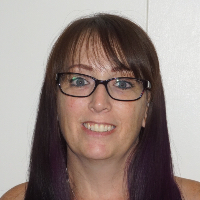
Alicia Stone, LMFT
California · 23 yrs exp
Topics: Stress, Anxiety / LGBT / Relationship +6
View ProfileTherapist listings come from BetterHelp, and we will earn a commission if you use our link - at no cost to you.
This page highlights therapists who list LGBT-related work among their focus areas, with profile details including approaches, credentials, languages, and special interests. Browse the listings below to explore professionals whose descriptions resonate with what you are looking for.
California · 23 yrs exp
Topics: Stress, Anxiety / LGBT / Relationship +6
View Profile
Florida · 32 yrs exp
Topics: LGBT / Grief / Self esteem +2
Methods: Client-Centered Therapy / Cognitive Behavioral Therapy (CBT)
View Profile
Minnesota · 14 yrs exp
Topics: Stress, Anxiety / Relationship / Family +9
View Profile
Pennsylvania · 12 yrs exp
Topics: Stress, Anxiety / Trauma and abuse / Self esteem +12
Methods: Client-Centered Therapy / Mindfulness Therapy
View Profile
Delaware · 16 yrs exp
Topics: Stress, Anxiety / Trauma and abuse / Grief +9
Methods: Cognitive Behavioral Therapy (CBT) / Eye Movement Desensitization and Reprocessing (EMDR)
View Profile
Oregon · 14 yrs exp
Topics: Grief / Self esteem / Career +9
Methods: Client-Centered Therapy / Cognitive Behavioral Therapy (CBT)
View Profile
Florida · 13 yrs exp
Topics: Stress, Anxiety / Anger / Depression +14
Methods: Cognitive Behavioral Therapy (CBT) / Dialectical Behavior Therapy (DBT)
View Profile
Texas · 8 yrs exp
Topics: Stress, Anxiety / Grief / Self esteem +12
Methods: Cognitive Behavioral Therapy (CBT) / Solution-Focused Therapy
View Profile
Indiana · 11 yrs exp
Topics: Stress, Anxiety / Grief / Depression +9
Methods: Client-Centered Therapy / Cognitive Behavioral Therapy (CBT)
View Profile
New York · 7 yrs exp
Topics: Stress, Anxiety / Trauma and abuse / Self esteem +12
Methods: Acceptance and Commitment Therapy (ACT) / Client-Centered Therapy
View Profile
Texas · 8 yrs exp
Topics: Stress, Anxiety / Relationship / Self esteem +9
Methods: Client-Centered Therapy / Cognitive Behavioral Therapy (CBT)
View Profile
Oregon · 10 yrs exp
Topics: Stress, Anxiety / Grief / Self esteem +11
Methods: Acceptance and Commitment Therapy (ACT) / Cognitive Behavioral Therapy (CBT)
View Profile
North Carolina · 30 yrs exp
Topics: Stress, Anxiety / Relationship / Family +11
Methods: Client-Centered Therapy / Cognitive Behavioral Therapy (CBT)
View Profile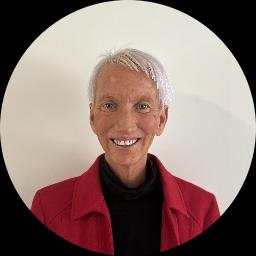
Pennsylvania · 15 yrs exp
Topics: Stress, Anxiety / Trauma and abuse / Sleeping +10
View Profile
Nebraska · 25 yrs exp
Topics: Stress, Anxiety / Family / Trauma and abuse +13
Methods: Client-Centered Therapy / Cognitive Behavioral Therapy (CBT)
View Profile
Texas · 4 yrs exp
Topics: Stress, Anxiety / Addictions / Relationship +4
Methods: Acceptance and Commitment Therapy (ACT) / Client-Centered Therapy
View Profile
North Carolina · 25 yrs exp
Topics: Stress, Anxiety / Addictions / Family +12
Methods: Client-Centered Therapy / Cognitive Behavioral Therapy (CBT)
View Profile
North Carolina · 16 yrs exp
Topics: Stress, Anxiety / Addictions / Trauma and abuse +14
Methods: Acceptance and Commitment Therapy (ACT) / Client-Centered Therapy
View Profile
Minnesota · 7 yrs exp
Topics: Stress, Anxiety / LGBT / Trauma and abuse +10
Methods: Client-Centered Therapy / Cognitive Behavioral Therapy (CBT)
View Profile
North Carolina · 20 yrs exp
Topics: Stress, Anxiety / Addictions / LGBT +2
Methods: Acceptance and Commitment Therapy (ACT) / Client-Centered Therapy
View Profile
Illinois · 5 yrs exp
Topics: Stress, Anxiety / Relationship / Trauma and abuse +13
Methods: Acceptance and Commitment Therapy (ACT) / Attachment-Based Therapy
View Profile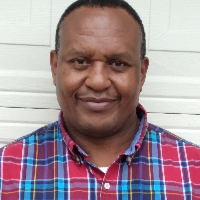
Texas · 7 yrs exp · 3 languages
Topics: Stress, Anxiety / Addictions / Relationship +13
Methods: Acceptance and Commitment Therapy (ACT) / Cognitive Behavioral Therapy (CBT)
View Profile
Kansas · 5 yrs exp
Topics: Trauma and abuse / Self esteem / Coping with life changes +12
Methods: Cognitive Behavioral Therapy (CBT) / Eye Movement Desensitization and Reprocessing (EMDR)
View Profile
Florida · 13 yrs exp · 2 languages
Topics: Stress, Anxiety / Relationship / Trauma and abuse +5
Methods: Client-Centered Therapy / Cognitive Behavioral Therapy (CBT)
View Profile
Pennsylvania · 32 yrs exp · 2 languages
Topics: Stress, Anxiety / Addictions / Relationship +14
Methods: Acceptance and Commitment Therapy (ACT) / Client-Centered Therapy
View Profile
New York · 25 yrs exp · 2 languages
Topics: Stress, Anxiety / Trauma and abuse / Self esteem +12
Methods: Cognitive Behavioral Therapy (CBT) / Dialectical Behavior Therapy (DBT)
View Profile
Oklahoma · 6 yrs exp
Topics: Stress, Anxiety / Trauma and abuse / Depression +6
Methods: Acceptance and Commitment Therapy (ACT) / Client-Centered Therapy
View Profile
Mississippi · 16 yrs exp
Topics: Stress, Anxiety / Family / Anger +9
Methods: Client-Centered Therapy / Cognitive Behavioral Therapy (CBT)
View Profile
Georgia · 12 yrs exp
Topics: LGBT / Relationship / Bipolar +7
Methods: Acceptance and Commitment Therapy (ACT) / Client-Centered Therapy
View Profile
Louisiana · 11 yrs exp
Topics: Stress, Anxiety / Addictions / LGBT +13
Methods: Acceptance and Commitment Therapy (ACT) / Attachment-Based Therapy
View Profile
Mississippi · 10 yrs exp
Topics: Stress, Anxiety / Addictions / Anger +10
Methods: Acceptance and Commitment Therapy (ACT) / Client-Centered Therapy
View Profile
Mississippi · 16 yrs exp
Topics: Stress, Anxiety / Parenting / Anger +11
Methods: Acceptance and Commitment Therapy (ACT) / Attachment-Based Therapy
View Profile
Georgia · 10 yrs exp
Topics: Stress, Anxiety / Family / Trauma and abuse +12
Methods: Attachment-Based Therapy / Client-Centered Therapy
View Profile
New Jersey · 38 yrs exp
Topics: Stress, Anxiety / Addictions / Relationship +15
Methods: Client-Centered Therapy / Cognitive Behavioral Therapy (CBT)
View Profile
Mississippi · 20 yrs exp
Topics: Stress, Anxiety / Relationship / Trauma and abuse +11
Methods: Client-Centered Therapy / Cognitive Behavioral Therapy (CBT)
View Profile
New York · 13 yrs exp
Topics: Stress, Anxiety / Trauma and abuse / Depression +14
Methods: Client-Centered Therapy / Cognitive Behavioral Therapy (CBT)
View Profile
Texas · 16 yrs exp
Topics: Stress, Anxiety / Addictions / Relationship +10
Methods: Attachment-Based Therapy / Client-Centered Therapy
View Profile
Louisiana · 9 yrs exp
Topics: Stress, Anxiety / Self esteem / Depression +12
Methods: Client-Centered Therapy / Cognitive Behavioral Therapy (CBT)
View Profile
Florida · 31 yrs exp
Topics: Stress, Anxiety / LGBT / Family +2
View Profile
Georgia · 8 yrs exp
Topics: Stress, Anxiety / Trauma and abuse / Self esteem +9
Methods: Acceptance and Commitment Therapy (ACT) / Client-Centered Therapy
View Profile
Mississippi · 12 yrs exp
Topics: Stress, Anxiety / Trauma and abuse / Parenting +10
Methods: Acceptance and Commitment Therapy (ACT) / Client-Centered Therapy
View Profile
Michigan · 14 yrs exp
Topics: Stress, Anxiety / Family / Trauma and abuse +13
Methods: Acceptance and Commitment Therapy (ACT) / Attachment-Based Therapy
View Profile
Florida · 11 yrs exp
Topics: Stress, Anxiety / Family / Trauma and abuse +14
Methods: Acceptance and Commitment Therapy (ACT) / Client-Centered Therapy
View Profile
Wisconsin · 3 yrs exp
Topics: Stress, Anxiety / Addictions / Relationship +8
Methods: Acceptance and Commitment Therapy (ACT) / Client-Centered Therapy
View Profile
Michigan · 20 yrs exp
Topics: Stress, Anxiety / Addictions / Bipolar +14
Methods: Acceptance and Commitment Therapy (ACT) / Client-Centered Therapy
View Profile
Alabama · 40 yrs exp
Topics: Stress, Anxiety / Family / Trauma and abuse +15
View Profile
Minnesota · 7 yrs exp
Topics: Stress, Anxiety / Trauma and abuse / Grief +11
Methods: Client-Centered Therapy / Cognitive Behavioral Therapy (CBT)
View Profile
Wisconsin · 33 yrs exp
Topics: Stress, Anxiety / Addictions / Trauma and abuse +12
Methods: Client-Centered Therapy / Cognitive Behavioral Therapy (CBT)
View Profile
Florida · 40 yrs exp
Topics: Stress, Anxiety / Addictions / LGBT +4
Methods: Acceptance and Commitment Therapy (ACT) / Client-Centered Therapy
View Profile
Tennessee · 9 yrs exp
Topics: LGBT / Relationship / Trauma and abuse +3
Methods: Client-Centered Therapy / Cognitive Behavioral Therapy (CBT)
View Profile
New York · 23 yrs exp · 2 languages
Topics: Stress, Anxiety / Addictions / Career +11
Methods: Cognitive Behavioral Therapy (CBT) / Mindfulness Therapy
View Profile
Illinois · 15 yrs exp
Topics: Stress, Anxiety / Relationship / Trauma and abuse +12
Methods: Client-Centered Therapy / Cognitive Behavioral Therapy (CBT)
View Profile
Texas · 4 yrs exp · 2 languages
Topics: Stress, Anxiety / Relationship / Self esteem +12
Methods: Cognitive Behavioral Therapy (CBT) / Emotionally-Focused Therapy (EFT)
View Profile
North Carolina · 16 yrs exp
Topics: Stress, Anxiety / Addictions / Grief +13
Methods: Acceptance and Commitment Therapy (ACT) / Client-Centered Therapy
View Profile
Georgia · 3 yrs exp
Topics: Stress, Anxiety / Anger / Self esteem +11
Methods: Client-Centered Therapy / Cognitive Behavioral Therapy (CBT)
View Profile
North Carolina · 10 yrs exp
Topics: Relationship / Parenting / Anger +10
Methods: Acceptance and Commitment Therapy (ACT) / Client-Centered Therapy
View Profile
Texas · 3 yrs exp
Topics: Relationship / Family / Trauma and abuse +11
Methods: Acceptance and Commitment Therapy (ACT) / Client-Centered Therapy
View Profile
New York · 17 yrs exp · 2 languages
Topics: Stress, Anxiety / Addictions / Trauma and abuse +4
Methods: Cognitive Behavioral Therapy (CBT) / Dialectical Behavior Therapy (DBT)
View Profile
Massachusetts · 11 yrs exp
Topics: Stress, Anxiety / LGBT / Self esteem +7
Methods: Cognitive Behavioral Therapy (CBT) / Motivational Interviewing
View Profile
United Kingdom · 13 yrs exp · 2 languages
Topics: Stress, Anxiety / Relationship / Family +14
Methods: Attachment-Based Therapy / Client-Centered Therapy
View ProfileWhen people use the term LGBT they are referring broadly to lesbian, gay, bisexual, and transgender identities. Many people prefer other related terms or expansions of the acronym, but the core idea is the same - these labels describe aspects of sexual orientation and gender identity that shape how you relate to yourself and others. For many people being LGBT is a source of pride and community, and for others it can come with stressors linked to family dynamics, social acceptance, workplace culture, and intersections with race, disability, religion, or socioeconomic status. Your lived experience is unique, and identity can be layered and evolving over time.
Because being LGBT interacts with social attitudes and institutional structures, people often seek counseling around issues such as relationship concerns, identity exploration, coming out, family communication, experiences of discrimination, and gender transition-related topics. You might also find therapy helpful when common life stressors - grief, anxiety, depression, vocational change - intersect with aspects of your sexual orientation or gender identity. Therapy can be a space to make sense of those intersections and to develop practical strategies for coping and for pursuing the life changes you want.
You may feel that your identity is a central part of the struggles you are facing, and that those struggles would be better understood by a therapist with experience in LGBT concerns. Indications that therapy could help include persistent feelings of isolation or loneliness tied to identity, ongoing anxiety or sadness after rejection or discrimination, difficulty communicating about your identity with family or partners, or unresolved questions about gender or sexual orientation that interfere with daily life. You might also be managing trauma related to harassment or violence, or find that internalized negative messages about being LGBT affect your relationships and self-worth.
Other reasons people seek LGBT-related therapy include preparing for or navigating a gender transition, wanting support for parenting as an LGBT person or couple, addressing intimacy or sexual health concerns, and coping with minority stress - the chronic stress that comes from being part of a stigmatized group. If you notice that these themes recur in your life or that they limit your ability to pursue goals, therapy can offer a focused space to explore what is happening and to build tools for change. Therapy is not only for crisis - it can be a proactive way to deepen self-understanding and strengthen relationships.
When you begin working with a therapist who lists LGBT concerns among their focus areas, you can expect an initial period of getting acquainted. Early sessions often involve discussing your goals, relevant history, and the issues you want to address. A therapist will typically ask about relationships, support systems, identity development, and any past experiences that have shaped how you see yourself. You should expect the pace and structure to be tailored to you - some people prefer directive, skills-focused work, while others want an exploratory, reflective approach.
Sessions may include practical problem solving around coming-out conversations, family dynamics, relationship boundaries, or workplace disclosure. They may also involve emotional processing of painful experiences, such as rejection or trauma, and help you identify patterns that influence your mood and behavior. If you are considering medical or legal steps related to gender transition, your therapist may help you clarify values, prepare for appointments, and manage expectations. Throughout the process you are encouraged to give feedback about what feels helpful and what does not, so the work stays relevant to your needs.
Therapists who work with LGBT clients often describe a range of therapeutic approaches in their profiles. Some may note cognitive-behavioral techniques that focus on changing unhelpful thought patterns and building coping skills. Others might list psychodynamic or relational approaches that explore how past relationships and experiences shape current feelings and interactions. Acceptance-based approaches and mindfulness-informed practices are also commonly mentioned, offering tools to manage distress and cultivate moment-to-moment awareness.
You will also see therapists who list identity-affirming orientations or who use narrative approaches to help you re-author your life story in ways that honor your identity. Some clinicians describe integrative methods that draw from multiple traditions, and you may find therapists who list trauma-informed frameworks or who include family systems perspectives when relationship dynamics are central to the concern. It is helpful to read how a therapist describes their approach in their profile and to look for language that matches the type of work you want - whether that is skills-based support, deep self-exploration, trauma processing, or relational repair.
Keep in mind that seeing a certain approach listed does not guarantee a specific credential or training level - profiles reflect what a clinician highlights about their practice. If an approach matters to you, you can look for how they describe applying it to LGBT issues and whether their explanations resonate with your expectations for therapy.
Online therapy allows you to connect with a therapist through video sessions, phone calls, or messaging, which can expand your options for finding someone who lists LGBT-related focus areas. When you choose online work, you will typically agree on a platform for sessions, set a meeting cadence, and establish communication preferences for between-session contact if you want it. Online sessions can be especially useful if you live in an area with fewer local options, if mobility or scheduling is a challenge, or if you prefer the comfort of meeting from your home or another location that feels safe to you.
Before beginning online therapy, consider practical questions such as the technology you will use, the privacy of your chosen setting, and how emergencies are handled. A therapist should explain basic logistics including session length, fees, and how messages or cancellations are managed. You should also feel comfortable discussing boundaries around recording sessions or sharing notes. While online therapy makes access easier for many, some people prefer a mix of in-person and virtual sessions depending on their needs and circumstances.
Selecting a therapist is a personal process and it helps to prioritize what matters most to you. Think about whether you want someone who explicitly lists LGBT work as a focus or whether you value specific approaches, languages spoken, or experience with particular life stages. Pay attention to how a therapist describes their work with LGBT clients - look for respectful, affirming language and concrete examples of issues they address. If family or cultural context is important to you, seek out profiles that mention similar backgrounds or experience with intersecting identities.
When reviewing profiles, notice whether you feel drawn to a clinician's tone and whether their stated methods match your preferences for more practical or more exploratory work. It can be helpful to prepare a short list of questions to ask in an initial conversation, such as how they approach coming-out conversations, how they support gender-related decision-making, or how they integrate cultural factors into treatment. Trusting your sense of fit is important - you should feel heard and respected and should be able to discuss goals and progress openly. If a therapist lists specific approaches that matter to you, ask how they apply those approaches to LGBT-related concerns rather than assuming a particular kind of expertise based solely on a label.
Finding the right clinician may take time, and it is reasonable to try an initial period of work and then reassess. Your needs may change over time, and a therapist who is well matched to your current goals can help you build skills, process experiences, and move toward greater clarity and wellbeing. Use the profiles on this site to gather options that align with your needs, read their descriptions carefully, and choose someone whose approach and language feel respectful and relevant to your life.
Ultimately, therapy for LGBT concerns is about creating a supportive space where you can explore identity, heal from painful experiences, and make practical plans for the future. Whether you pursue in-person or online sessions, the right fit will be a combination of approach, interpersonal style, and shared understanding of the issues you bring to therapy.
Alabama
170 therapists
Alaska
22 therapists
Arizona
135 therapists
Arkansas
87 therapists
Australia
343 therapists
California
1210 therapists
Colorado
241 therapists
Connecticut
128 therapists
Delaware
30 therapists
District of Columbia
30 therapists
Florida
1054 therapists
Georgia
312 therapists
Hawaii
37 therapists
Idaho
67 therapists
Illinois
415 therapists
Indiana
197 therapists
Iowa
43 therapists
Kansas
76 therapists
Kentucky
164 therapists
Louisiana
197 therapists
Maine
49 therapists
Maryland
219 therapists
Massachusetts
164 therapists
Michigan
371 therapists
Minnesota
138 therapists
Mississippi
121 therapists
Missouri
217 therapists
Montana
63 therapists
Nebraska
50 therapists
Nevada
63 therapists
New Hampshire
20 therapists
New Jersey
241 therapists
New Mexico
43 therapists
New York
643 therapists
North Carolina
411 therapists
North Dakota
10 therapists
Ohio
282 therapists
Oklahoma
176 therapists
Oregon
73 therapists
Pennsylvania
416 therapists
Rhode Island
25 therapists
South Carolina
211 therapists
South Dakota
25 therapists
Tennessee
169 therapists
Texas
1202 therapists
United Kingdom
1242 therapists
Utah
96 therapists
Vermont
23 therapists
Virginia
257 therapists
Washington
151 therapists
West Virginia
33 therapists
Wisconsin
153 therapists
Wyoming
25 therapists