
Sara Kaczmarek, LMFT
Minnesota · 14 yrs exp
Topics: Stress, Anxiety / Relationship / Family +9
View ProfileTherapist listings come from BetterHelp, and we will earn a commission if you use our link - at no cost to you.
This specialty page connects visitors with therapists who list self-love among their focus areas. Browse the listings below to learn about approaches, credentials, languages and practice focus.
Minnesota · 14 yrs exp
Topics: Stress, Anxiety / Relationship / Family +9
View Profile
Texas · 11 yrs exp
Topics: Stress, Anxiety / Bipolar / Depression +3
Methods: Client-Centered Therapy / Cognitive Behavioral Therapy (CBT)
View Profile
Illinois · 20 yrs exp
Topics: Stress, Anxiety / Relationship / Parenting +8
Methods: Client-Centered Therapy / Cognitive Behavioral Therapy (CBT)
View Profile
Pennsylvania · 12 yrs exp
Topics: Stress, Anxiety / Trauma and abuse / Self esteem +12
Methods: Client-Centered Therapy / Mindfulness Therapy
View Profile
Oregon · 14 yrs exp
Topics: Grief / Self esteem / Career +9
Methods: Client-Centered Therapy / Cognitive Behavioral Therapy (CBT)
View Profile
New York · 35 yrs exp
Topics: Stress, Anxiety / Self esteem / Career +11
Methods: Client-Centered Therapy / Mindfulness Therapy
View Profile
Oregon · 32 yrs exp
Topics: Stress, Anxiety / Relationship / Trauma and abuse +10
View Profile
North Carolina · 13 yrs exp
Topics: Stress, Anxiety / Relationship / Family +14
Methods: Acceptance and Commitment Therapy (ACT) / Client-Centered Therapy
View Profile
Virginia · 6 yrs exp
Topics: Stress, Anxiety / Trauma and abuse / Parenting +5
Methods: Client-Centered Therapy / Cognitive Behavioral Therapy (CBT)
View Profile
South Carolina · 10 yrs exp
Topics: Stress, Anxiety / Relationship / Family +2
Methods: Client-Centered Therapy / Cognitive Behavioral Therapy (CBT)
View Profile
Texas · 25 yrs exp
Topics: Stress, Anxiety / Relationship / Trauma and abuse +13
Methods: Acceptance and Commitment Therapy (ACT) / Cognitive Behavioral Therapy (CBT)
View Profile
Florida · 13 yrs exp
Topics: Stress, Anxiety / Self esteem / Career +4
Methods: Client-Centered Therapy / Cognitive Behavioral Therapy (CBT)
View Profile
Indiana · 11 yrs exp
Topics: Stress, Anxiety / Grief / Depression +9
Methods: Client-Centered Therapy / Cognitive Behavioral Therapy (CBT)
View Profile
Alabama · 8 yrs exp
Topics: Stress, Anxiety / Trauma and abuse / Anger +6
Methods: Client-Centered Therapy / Cognitive Behavioral Therapy (CBT)
View Profile
Florida · 22 yrs exp
Topics: Stress, Anxiety / Self esteem / Depression +6
Methods: Acceptance and Commitment Therapy (ACT) / Client-Centered Therapy
View Profile
Louisiana · 14 yrs exp
Topics: Stress, Anxiety / Anger / Self esteem +10
View Profile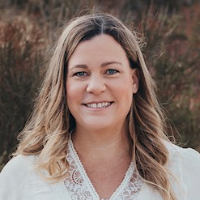
California · 10 yrs exp
Topics: Stress, Anxiety / Family / Parenting +6
Methods: Attachment-Based Therapy / Client-Centered Therapy
View Profile
Texas · 6 yrs exp
Topics: Relationship / Family / Parenting +8
Methods: Client-Centered Therapy / Cognitive Behavioral Therapy (CBT)
View Profile
Oregon · 10 yrs exp
Topics: Stress, Anxiety / Grief / Self esteem +11
Methods: Acceptance and Commitment Therapy (ACT) / Cognitive Behavioral Therapy (CBT)
View Profile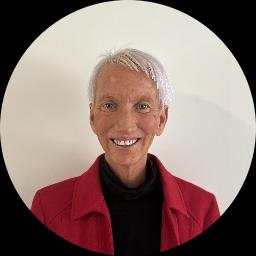
Pennsylvania · 15 yrs exp
Topics: Stress, Anxiety / Trauma and abuse / Sleeping +10
View Profile
Nebraska · 25 yrs exp
Topics: Stress, Anxiety / Family / Trauma and abuse +13
Methods: Client-Centered Therapy / Cognitive Behavioral Therapy (CBT)
View Profile
Wisconsin · 11 yrs exp
Topics: Stress, Anxiety / Relationship / Family +7
Methods: Client-Centered Therapy / Cognitive Behavioral Therapy (CBT)
View Profile
Texas · 4 yrs exp
Topics: Stress, Anxiety / Addictions / Relationship +4
Methods: Acceptance and Commitment Therapy (ACT) / Client-Centered Therapy
View Profile
Georgia · 12 yrs exp
Topics: Stress, Anxiety / Addictions / Trauma and abuse +2
View Profile
South Carolina · 20 yrs exp
Topics: Stress, Anxiety / Relationship / Eating +11
Methods: Client-Centered Therapy / Cognitive Behavioral Therapy (CBT)
View Profile
New York · 36 yrs exp
Topics: Stress, Anxiety / Family / Parenting +8
Methods: Client-Centered Therapy / Cognitive Behavioral Therapy (CBT)
View Profile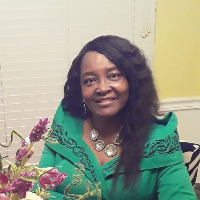
Florida · 20 yrs exp
Topics: Stress, Anxiety / Addictions / Relationship +2
Methods: Acceptance and Commitment Therapy (ACT) / Attachment-Based Therapy
View Profile
Illinois · 38 yrs exp
Topics: Stress, Anxiety / Self esteem / Depression +10
Methods: Client-Centered Therapy / Cognitive Behavioral Therapy (CBT)
View Profile
Texas · 9 yrs exp
Topics: Relationship / Self esteem / Career +2
View Profile
Mississippi · 10 yrs exp
Topics: Stress, Anxiety / Anger / Self esteem +2
Methods: Client-Centered Therapy / Cognitive Behavioral Therapy (CBT)
View Profile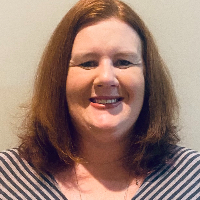
Mississippi · 21 yrs exp
Topics: Stress, Anxiety / Family / Parenting +10
Methods: Acceptance and Commitment Therapy (ACT) / Client-Centered Therapy
View Profile
North Carolina · 16 yrs exp
Topics: Stress, Anxiety / Addictions / Trauma and abuse +14
Methods: Acceptance and Commitment Therapy (ACT) / Client-Centered Therapy
View Profile
Texas · 5 yrs exp
Topics: Stress, Anxiety / Relationship / Family +10
View Profile
Louisiana · 15 yrs exp
Topics: Stress, Anxiety / Trauma and abuse / Grief +2
View Profile
Texas · 10 yrs exp
Topics: Stress, Anxiety / Grief / Depression +1
View Profile
New York · 14 yrs exp
Topics: Stress, Anxiety / Relationship / Trauma and abuse +6
Methods: Acceptance and Commitment Therapy (ACT) / Client-Centered Therapy
View Profile
New York · 18 yrs exp · 3 languages
Topics: Stress, Anxiety / Relationship / Parenting +2
View Profile
Texas · 3 yrs exp
Topics: Stress, Anxiety / Addictions / Relationship +6
Methods: Acceptance and Commitment Therapy (ACT) / Attachment-Based Therapy
View Profile
Florida · 11 yrs exp · 2 languages
Topics: Stress, Anxiety / Relationship / Parenting +12
Methods: Acceptance and Commitment Therapy (ACT) / Cognitive Behavioral Therapy (CBT)
View Profile
Missouri · 22 yrs exp
Topics: Stress, Anxiety / Trauma and abuse / Self esteem +7
Methods: Client-Centered Therapy / Cognitive Behavioral Therapy (CBT)
View Profile
Florida · 20 yrs exp
Topics: Stress, Anxiety / Trauma and abuse / Anger +2
Methods: Client-Centered Therapy / Cognitive Behavioral Therapy (CBT)
View Profile
Missouri · 16 yrs exp
Topics: Stress, Anxiety / Relationship / Family +3
Methods: Cognitive Behavioral Therapy (CBT)
View Profile
Illinois · 11 yrs exp
Topics: Stress, Anxiety / Relationship / Family +2
View Profile
Florida · 10 yrs exp
Topics: Stress, Anxiety / Addictions / Trauma and abuse +2
View Profile
Minnesota · 7 yrs exp
Topics: Stress, Anxiety / LGBT / Trauma and abuse +10
Methods: Client-Centered Therapy / Cognitive Behavioral Therapy (CBT)
View Profile
Alabama · 17 yrs exp
Topics: Stress, Anxiety / Addictions / Grief +2
View Profile
Florida · 25 yrs exp
Topics: Stress, Anxiety / Relationship / Trauma and abuse +3
Methods: Cognitive Behavioral Therapy (CBT) / Dialectical Behavior Therapy (DBT)
View Profile
Georgia · 3 yrs exp
Topics: Stress, Anxiety / Self esteem / Career +2
Methods: Client-Centered Therapy / Mindfulness Therapy
View Profile
Georgia · 11 yrs exp
Topics: Addictions / Relationship / Trauma and abuse +2
Methods: Cognitive Behavioral Therapy (CBT)
View Profile
Michigan · 13 yrs exp
Topics: Stress, Anxiety / Relationship / Anger +2
View Profile
Nevada · 25 yrs exp
Topics: Stress, Anxiety / Relationship / Family +2
Methods: Attachment-Based Therapy / Client-Centered Therapy
View Profile
Montana · 10 yrs exp
Topics: Stress, Anxiety / Trauma and abuse / Grief +10
Methods: Attachment-Based Therapy / Client-Centered Therapy
View Profile
Florida · 8 yrs exp
Topics: Stress, Anxiety / Trauma and abuse / Parenting +12
Methods: Cognitive Behavioral Therapy (CBT) / Solution-Focused Therapy
View Profile
Massachusetts · 5 yrs exp
Topics: Stress, Anxiety / Family / Self esteem +5
Methods: Client-Centered Therapy / Dialectical Behavior Therapy (DBT)
View Profile
Illinois · 30 yrs exp
Topics: Family / Trauma and abuse / Grief +8
Methods: Cognitive Behavioral Therapy (CBT) / Psychodynamic Therapy
View Profile
Missouri · 22 yrs exp
Topics: Stress, Anxiety / Addictions / Self esteem +2
View Profile
Pennsylvania · 17 yrs exp
Topics: Stress, Anxiety / Trauma and abuse / Self esteem +2
View Profile
North Carolina · 10 yrs exp
Topics: Stress, Anxiety / Trauma and abuse / Self esteem +2
View Profile
Illinois · 39 yrs exp
Topics: Stress, Anxiety / Relationship / Grief +2
Methods: Client-Centered Therapy / Cognitive Behavioral Therapy (CBT)
View Profile
Texas · 15 yrs exp
Topics: Stress, Anxiety / Family / Parenting +10
Methods: Client-Centered Therapy / Cognitive Behavioral Therapy (CBT)
View ProfileSelf-love is often used as a broad term to describe a pattern of relating to yourself with kindness, acceptance and realistic care. For some people it centers on self-compassion in response to mistakes or setbacks. For others it is about cultivating a sense of worth that is not dependent on achievement, appearance or external validation. You may notice self-love as an internal voice that either supports or criticizes you, or as habits around rest, boundaries and self-care. When that inner voice is harsh or dismissive, it can shape decisions about relationships, work, and how you respond to stress.
Self-love is not about perfection or constant positivity. It is about learning to respond to your needs in ways that promote resilience and sustainable wellbeing. That might mean setting firmer boundaries, learning to soothe yourself after painful experiences, developing healthier self-talk, or building consistent routines that honor your energy and priorities. Because self-love intersects with identity, culture and life history, the path looks different for everyone and often benefits from a thoughtful, collaborative therapeutic process.
You might consider working with a therapist on self-love when recurring self-criticism interferes with your ability to start or maintain goals, when you feel chronically unworthy despite external success, or when you notice avoidance of intimacy and vulnerability. Other signs include difficulty accepting compliments, persistent comparison to others, an overwhelming need for approval, or patterns of overworking and neglecting your emotional or physical needs. These patterns can show up as anxiety, low mood, or difficulties in relationships, but they often have deeper roots in how you learned to relate to yourself.
If you find that you minimize your accomplishments, regularly dismiss your feelings, or struggle to set boundaries without guilt, therapy can offer a place to examine the stories you tell about yourself and to practice new ways of responding. A therapist can help you trace how past experiences shaped your inner voice, experiment with alternative beliefs, and develop concrete practices that make self-compassion feel more natural. You do not need to wait for a crisis to seek help; many people engage in this work as a form of personal growth that supports long-term wellbeing.
Early sessions typically focus on building rapport and clarifying what self-love means for you. A therapist will likely ask about your background, relationships and the moments when self-critical patterns feel strongest. Together you can identify practical goals - such as reducing critical self-talk, improving boundary-setting, or learning self-soothing strategies - and agree on small steps to begin exploring those goals.
As therapy continues, sessions often combine reflective exploration with experiential practices and skill-building. You might examine recurring beliefs and the experiences that shaped them, practice noticing and reframing harsh self-talk, or work on increasing your tolerance for vulnerability in relationships. Homework between sessions may include journaling exercises, compassion practices, or behavior experiments to test new ways of relating to yourself. The pace is collaborative and individualized, with the therapist offering prompts and feedback while you decide what feels useful.
Therapy for self-love also pays attention to how you care for your body and schedule, since habits around sleep, movement and nutrition can affect emotional regulation. The aim is to help you build a sustainable pattern of self-responding that supports daily functioning as well as emotional growth. Over time, you may notice that internal changes lead to different choices and interactions in your life.
Therapists draw from many schools of thought when helping clients cultivate self-love, and you may encounter a blend of interventions. Therapists who list cognitive-behavioral approaches among their methods often focus on identifying and challenging unhelpful beliefs and developing practical skills for changing thought patterns. Therapists who list compassion-focused techniques emphasize cultivating warmth and understanding toward yourself in the face of suffering, which can be especially helpful for people with high self-criticism.
Other clinicians may describe humanistic or person-centered approaches that prioritize empathic connection and the discovery of personal values. Narrative approaches invite you to view your life stories from different perspectives and to rewrite limiting narratives. Therapists who list mindfulness-based approaches often use attention-training exercises to help you observe inner experiences without immediate judgment. Some practitioners incorporate somatic or body-centered work to help you notice how emotions are held in the body, and others may use expressive arts methods to access feelings that are difficult to name.
It is common to find therapists who combine several approaches. When reading profiles, look for descriptions that align with your preferences - whether you want structured exercises, reflective dialogue, or experiential practices - and note any mention of populations or life stages they work with, such as adolescents, parents, or culturally specific experiences.
Online therapy has become a widely used option for people seeking support for self-love because it increases convenience and the ability to connect with clinicians who share specific cultural or linguistic backgrounds. Sessions typically occur via video, phone, or messaging formats, and many therapists adapt exercises so they work well in a remote format. You can expect conversations, guided exercises and homework to be integrated into virtual sessions, and therapists often suggest ways to create a comfortable setting at home to support focused work.
Building rapport online can feel different from in-person work, but many people find that a consistent schedule and clear session boundaries help establish trust. Therapists who practice remotely may offer shorter check-ins or follow-up messages to support practice between sessions, though the exact communication style varies by clinician. When choosing online options, consider whether you prefer synchronous interaction in real time or asynchronous text-based approaches that allow reflection between messages.
You should also be aware that licensing regulations differ by region, which affects where a therapist may be able to provide care from. Profiles often indicate the clinician's licensure and the locations or languages they list, which can help you identify practitioners whose background aligns with your needs. Online therapy can be an effective way to access a broader range of approaches and perspectives as you explore what resonates for your self-love work.
Choosing a therapist for self-love work is a personal decision that benefits from attention to fit and approach. Start by reading profiles to learn about a therapist's stated focus areas, the approaches they list, and any populations or life experiences they highlight. Pay attention to credentials and licensure in the locations relevant to you, and consider language options if you prefer to work in a particular language. These elements help you narrow options to clinicians who describe work that resonates with your goals.
Reflect on how you like to learn and grow. If you appreciate concrete exercises and measurable progress, look for therapists who list structured approaches. If you want a more exploratory or relational process, profiles that describe depth-oriented or humanistic work may be a better match. Consider cultural competence and experience with issues similar to yours - for instance, relationships, identity, caregiving roles or trauma history - and seek clinicians who explicitly mention that experience.
Finally, trust your sense of rapport. Initial contact or an introductory conversation can give you a sense of whether the therapist's style and communication meet your needs. It is reasonable to look for someone whose descriptions feel respectful of your background and who proposes clear ways to work toward your goals. Taking time to choose a clinician whose approach and focus align with your priorities increases the likelihood that the work will feel meaningful and productive.
Working on self-love is a process that unfolds over time. With thoughtful exploration and a therapist who matches your approach and values, you can build habits and perspectives that support a kinder, more resilient relationship with yourself.
Alabama
170 therapists
Alaska
22 therapists
Arizona
135 therapists
Arkansas
87 therapists
Australia
343 therapists
California
1210 therapists
Colorado
241 therapists
Connecticut
128 therapists
Delaware
30 therapists
District of Columbia
30 therapists
Florida
1054 therapists
Georgia
312 therapists
Hawaii
37 therapists
Idaho
67 therapists
Illinois
415 therapists
Indiana
197 therapists
Iowa
43 therapists
Kansas
76 therapists
Kentucky
164 therapists
Louisiana
197 therapists
Maine
49 therapists
Maryland
219 therapists
Massachusetts
164 therapists
Michigan
371 therapists
Minnesota
138 therapists
Mississippi
121 therapists
Missouri
217 therapists
Montana
63 therapists
Nebraska
50 therapists
Nevada
63 therapists
New Hampshire
20 therapists
New Jersey
241 therapists
New Mexico
43 therapists
New York
643 therapists
North Carolina
411 therapists
North Dakota
10 therapists
Ohio
282 therapists
Oklahoma
176 therapists
Oregon
73 therapists
Pennsylvania
416 therapists
Rhode Island
25 therapists
South Carolina
211 therapists
South Dakota
25 therapists
Tennessee
169 therapists
Texas
1202 therapists
United Kingdom
1242 therapists
Utah
96 therapists
Vermont
23 therapists
Virginia
257 therapists
Washington
151 therapists
West Virginia
33 therapists
Wisconsin
153 therapists
Wyoming
25 therapists