
Amanda Polk, LISW-CP
South Carolina · 10 yrs exp
Topics: Stress, Anxiety / Relationship / Family +2
Methods: Client-Centered Therapy / Cognitive Behavioral Therapy (CBT)
View ProfileTherapist listings come from BetterHelp, and we will earn a commission if you use our link - at no cost to you.
This page connects you with therapists who list self-harm support among their areas of focus. Browse the listings below to compare approaches, credentials, languages, and experience.
South Carolina · 10 yrs exp
Topics: Stress, Anxiety / Relationship / Family +2
Methods: Client-Centered Therapy / Cognitive Behavioral Therapy (CBT)
View Profile
Texas · 25 yrs exp
Topics: Stress, Anxiety / Relationship / Trauma and abuse +13
Methods: Acceptance and Commitment Therapy (ACT) / Cognitive Behavioral Therapy (CBT)
View Profile
Arizona · 30 yrs exp
Topics: Stress, Anxiety / Trauma and abuse / Self esteem +12
Methods: Client-Centered Therapy / Cognitive Behavioral Therapy (CBT)
View Profile
Louisiana · 14 yrs exp
Topics: Stress, Anxiety / Anger / Self esteem +10
View Profile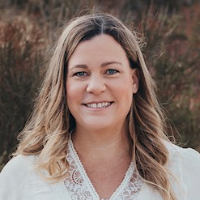
California · 10 yrs exp
Topics: Stress, Anxiety / Family / Parenting +6
Methods: Attachment-Based Therapy / Client-Centered Therapy
View Profile
Oregon · 10 yrs exp
Topics: Stress, Anxiety / Grief / Self esteem +11
Methods: Acceptance and Commitment Therapy (ACT) / Cognitive Behavioral Therapy (CBT)
View Profile
Texas · 4 yrs exp
Topics: Stress, Anxiety / Addictions / Relationship +4
Methods: Acceptance and Commitment Therapy (ACT) / Client-Centered Therapy
View Profile
New Mexico · 3 yrs exp
Topics: Stress, Anxiety / Trauma and abuse / Depression +10
Methods: Cognitive Behavioral Therapy (CBT) / Hypnotherapy
View Profile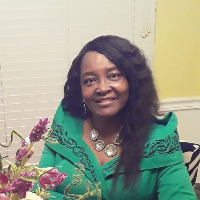
Florida · 20 yrs exp
Topics: Stress, Anxiety / Addictions / Relationship +2
Methods: Acceptance and Commitment Therapy (ACT) / Attachment-Based Therapy
View Profile
North Carolina · 16 yrs exp
Topics: Stress, Anxiety / Addictions / Trauma and abuse +14
Methods: Acceptance and Commitment Therapy (ACT) / Client-Centered Therapy
View Profile
Missouri · 22 yrs exp
Topics: Stress, Anxiety / Trauma and abuse / Self esteem +7
Methods: Client-Centered Therapy / Cognitive Behavioral Therapy (CBT)
View Profile
Georgia · 11 yrs exp
Topics: Addictions / Relationship / Trauma and abuse +2
Methods: Cognitive Behavioral Therapy (CBT)
View Profile
Nevada · 25 yrs exp
Topics: Stress, Anxiety / Relationship / Family +2
Methods: Attachment-Based Therapy / Client-Centered Therapy
View Profile
Illinois · 5 yrs exp
Topics: Stress, Anxiety / Relationship / Trauma and abuse +13
Methods: Acceptance and Commitment Therapy (ACT) / Attachment-Based Therapy
View Profile
Montana · 10 yrs exp
Topics: Stress, Anxiety / Trauma and abuse / Grief +10
Methods: Attachment-Based Therapy / Client-Centered Therapy
View Profile
Florida · 8 yrs exp
Topics: Stress, Anxiety / Trauma and abuse / Parenting +12
Methods: Cognitive Behavioral Therapy (CBT) / Solution-Focused Therapy
View Profile
Illinois · 30 yrs exp
Topics: Family / Trauma and abuse / Grief +8
Methods: Cognitive Behavioral Therapy (CBT) / Psychodynamic Therapy
View Profile
North Carolina · 10 yrs exp
Topics: Stress, Anxiety / Trauma and abuse / Self esteem +2
View Profile
Utah · 30 yrs exp
Topics: Stress, Anxiety / Trauma and abuse / Grief +2
View Profile
California · 8 yrs exp
Topics: Stress, Anxiety / Addictions / Trauma and abuse +12
Methods: Attachment-Based Therapy / Client-Centered Therapy
View Profile
South Carolina · 6 yrs exp
Topics: Stress, Anxiety / Trauma and abuse / Grief +10
Methods: Client-Centered Therapy / Cognitive Behavioral Therapy (CBT)
View Profile
Florida · 13 yrs exp · 2 languages
Topics: Stress, Anxiety / Relationship / Trauma and abuse +5
Methods: Client-Centered Therapy / Cognitive Behavioral Therapy (CBT)
View Profile
Oklahoma · 6 yrs exp
Topics: Stress, Anxiety / Trauma and abuse / Depression +6
Methods: Acceptance and Commitment Therapy (ACT) / Client-Centered Therapy
View Profile
Georgia · 12 yrs exp
Topics: LGBT / Relationship / Bipolar +7
Methods: Acceptance and Commitment Therapy (ACT) / Client-Centered Therapy
View Profile
Louisiana · 11 yrs exp
Topics: Stress, Anxiety / Addictions / LGBT +13
Methods: Acceptance and Commitment Therapy (ACT) / Attachment-Based Therapy
View Profile
Georgia · 10 yrs exp
Topics: Stress, Anxiety / Family / Trauma and abuse +12
Methods: Attachment-Based Therapy / Client-Centered Therapy
View Profile
North Carolina · 20 yrs exp
Topics: Stress, Anxiety / Addictions / Trauma and abuse +2
Methods: Cognitive Behavioral Therapy (CBT) / Solution-Focused Therapy
View Profile
Louisiana · 21 yrs exp
Topics: Stress, Anxiety / Relationship / Trauma and abuse +10
Methods: Client-Centered Therapy / Cognitive Behavioral Therapy (CBT)
View Profile
Mississippi · 20 yrs exp
Topics: Stress, Anxiety / Relationship / Trauma and abuse +11
Methods: Client-Centered Therapy / Cognitive Behavioral Therapy (CBT)
View Profile
New York · 13 yrs exp
Topics: Stress, Anxiety / Trauma and abuse / Depression +14
Methods: Client-Centered Therapy / Cognitive Behavioral Therapy (CBT)
View Profile
Texas · 16 yrs exp
Topics: Stress, Anxiety / Addictions / Relationship +10
Methods: Attachment-Based Therapy / Client-Centered Therapy
View Profile
Louisiana · 9 yrs exp
Topics: Stress, Anxiety / Self esteem / Depression +12
Methods: Client-Centered Therapy / Cognitive Behavioral Therapy (CBT)
View Profile
Georgia · 8 yrs exp
Topics: Stress, Anxiety / Trauma and abuse / Self esteem +9
Methods: Acceptance and Commitment Therapy (ACT) / Client-Centered Therapy
View Profile
Mississippi · 12 yrs exp
Topics: Stress, Anxiety / Trauma and abuse / Parenting +10
Methods: Acceptance and Commitment Therapy (ACT) / Client-Centered Therapy
View Profile
Alabama · 40 yrs exp
Topics: Stress, Anxiety / Family / Trauma and abuse +15
View Profile
Arizona · 20 yrs exp
Topics: Stress, Anxiety / Trauma and abuse / Self esteem +2
Methods: Acceptance and Commitment Therapy (ACT) / Attachment-Based Therapy
View Profile
Connecticut · 16 yrs exp
Topics: Trauma and abuse / Anger / Self esteem +9
Methods: Cognitive Behavioral Therapy (CBT) / Dialectical Behavior Therapy (DBT)
View Profile
Louisiana · 9 yrs exp
Topics: Stress, Anxiety / Family / Parenting +7
View Profile
New York · 30 yrs exp
Topics: Stress, Anxiety / Grief / Self esteem +14
Methods: Client-Centered Therapy / Cognitive Behavioral Therapy (CBT)
View Profile
Texas · 4 yrs exp · 2 languages
Topics: Stress, Anxiety / Relationship / Self esteem +12
Methods: Cognitive Behavioral Therapy (CBT) / Emotionally-Focused Therapy (EFT)
View Profile
North Carolina · 16 yrs exp
Topics: Stress, Anxiety / Addictions / Grief +13
Methods: Acceptance and Commitment Therapy (ACT) / Client-Centered Therapy
View Profile
United Kingdom · 8 yrs exp
Topics: Stress, Anxiety / Trauma and abuse / Grief +7
Methods: Client-Centered Therapy / Hypnotherapy
View Profile
Texas · 20 yrs exp
Topics: Stress, Anxiety / Family / Trauma and abuse +14
Methods: Acceptance and Commitment Therapy (ACT) / Client-Centered Therapy
View Profile
Nevada · 5 yrs exp
Topics: Stress, Anxiety / Family / Grief +2
Methods: Acceptance and Commitment Therapy (ACT) / Attachment-Based Therapy
View Profile
United Kingdom · 5 yrs exp
Topics: Stress, Anxiety / Addictions / Relationship +2
Methods: Client-Centered Therapy
View Profile
Virginia · 10 yrs exp
Topics: Stress, Anxiety / Relationship / Family +8
Methods: Acceptance and Commitment Therapy (ACT) / Client-Centered Therapy
View Profile
New York · 9 yrs exp
Topics: Stress, Anxiety / Relationship / Family +2
View Profile
Georgia · 3 yrs exp
Topics: Stress, Anxiety / Anger / Self esteem +11
Methods: Client-Centered Therapy / Cognitive Behavioral Therapy (CBT)
View Profile
Massachusetts · 11 yrs exp
Topics: Stress, Anxiety / LGBT / Self esteem +7
Methods: Cognitive Behavioral Therapy (CBT) / Motivational Interviewing
View Profile
United Kingdom · 13 yrs exp · 2 languages
Topics: Stress, Anxiety / Relationship / Family +14
Methods: Attachment-Based Therapy / Client-Centered Therapy
View Profile
United Kingdom · 4 yrs exp
Topics: Stress, Anxiety / Trauma and abuse / Depression +12
Methods: Attachment-Based Therapy / Mindfulness Therapy
View Profile
North Carolina · 20 yrs exp
Topics: Stress, Anxiety / Addictions / Trauma and abuse +12
Methods: Client-Centered Therapy / Cognitive Behavioral Therapy (CBT)
View Profile
Oklahoma · 16 yrs exp
Topics: Stress, Anxiety / Trauma and abuse / Self esteem +12
Methods: Client-Centered Therapy / Cognitive Behavioral Therapy (CBT)
View Profile
United Kingdom · 4 yrs exp · 2 languages
Topics: Trauma and abuse / Self esteem / Depression +3
Methods: Client-Centered Therapy / Psychodynamic Therapy
View Profile
United Kingdom · 4 yrs exp
Topics: Stress, Anxiety / LGBT / Relationship +8
Methods: Client-Centered Therapy / Emotionally-Focused Therapy (EFT)
View Profile
United Kingdom · 6 yrs exp
Topics: Stress, Anxiety / Addictions / Trauma and abuse +15
Methods: Client-Centered Therapy / Cognitive Behavioral Therapy (CBT)
View Profile
United Kingdom · 18 yrs exp
Topics: Stress, Anxiety / Addictions / Relationship +12
Methods: Attachment-Based Therapy / Client-Centered Therapy
View Profile
New York · 35 yrs exp
Topics: Stress, Anxiety / Trauma and abuse / Grief +2
Methods: Acceptance and Commitment Therapy (ACT) / Client-Centered Therapy
View Profile
United Kingdom · 23 yrs exp
Topics: Stress, Anxiety / Relationship / Grief +8
Methods: Attachment-Based Therapy / Client-Centered Therapy
View Profile
South Carolina · 9 yrs exp
Topics: Stress, Anxiety / Relationship / Grief +9
Methods: Cognitive Behavioral Therapy (CBT) / Motivational Interviewing
View ProfileSelf-harm refers to deliberate actions a person takes to cause physical injury to themselves, and it can take many forms. For some people it is a way to express intense emotional pain, release tension, or regain a sense of control when other strategies feel out of reach. Self-harm is not a reflection of moral failing - it is often a sign that coping resources are overwhelmed and that additional support may be helpful. The experience of self-harm varies widely. Some people engage in isolated episodes linked to a specific event, while others find patterns that recur over months or years. The emotional aftermath can include shame, relief, confusion, and difficulty talking with friends or family about what is happening.
Because self-harm intersects with mood, stress regulation, trauma, and relationships, it can affect many areas of life. You may notice disruptions in work, school, sleep, eating, or social activities. Physical wounds may heal while emotional distress continues. For caregivers and loved ones, watching someone you care about engage in self-harm can be frightening and leave you unsure how to help. Therapy can provide a place to explore what self-harm means for you, learn alternatives for managing intense feelings, and address underlying issues that maintain the behavior.
If you are wondering whether you or someone else might benefit from professional support, there are a range of signs to notice. Repeated urges or episodes of self-injury, increased secrecy around injuries or the reasons for them, and escalating frequency or intensity of harm are important indicators. Sudden changes in mood, withdrawal from activities that once felt meaningful, or difficulty managing anger, shame, or despair may also signal that additional help could be useful. People often describe feeling stuck in cycles where relief from self-harm is short-lived and problems return, suggesting a pattern that therapy can address.
Events like relationship breakups, bullying, losses, or chronic stress can trigger or worsen self-harm behaviors. You might notice that self-harm follows certain thoughts or situations, such as reminders of past trauma, overwhelming expectations, or intense interpersonal conflict. If you are concerned about new or more frequent urges, or if self-harm is accompanied by thoughts of wanting to end your life, reaching out for professional support is an important step. Therapy can help you and the people around you understand patterns, reduce immediate risk, and create safer ways to cope when emotions spike.
Early sessions typically involve getting a fuller picture of your experiences, patterns of self-harm, and the factors that maintain those behaviors. A therapist will likely ask about when the behavior began, what feels different before and after an episode, current stressors, and any supports you have. You can expect an emphasis on listening and understanding rather than judgment. These conversations help shape a plan that fits your life and goals.
Therapy for self-harm often combines short-term strategies to reduce immediate risk with longer-term work to build alternatives. You and your therapist may develop a personalized plan that identifies warning signs, coping strategies you can use in the moment, and people you can contact for help. Sessions commonly include skill-building to manage intense emotions, reduce impulsive reactions, and improve problem-solving. You will also have space to explore painful experiences, learn healthier ways to express emotion, and work on relationships that contribute to or buffer distress. Progress tends to be incremental, and therapy aims to strengthen your ability to navigate difficult moments over time.
There is no single approach that fits everyone, so many therapists combine elements from different models based on what best fits your needs. You may find therapists who list dialectical behavior therapy - DBT - among their approaches; DBT focuses on teaching specific skills for emotion regulation, distress tolerance, interpersonal effectiveness, and mindful awareness. Other therapists may list cognitive behavioral therapy - CBT - which helps you examine and change unhelpful thinking patterns and behaviors linked to self-harm. Acceptance and commitment approaches emphasize values-based action and techniques to reduce fusion with painful thoughts.
Therapists who list trauma-informed approaches among their methods may help you process difficult past experiences that contribute to self-harm. Some practitioners draw on psychodynamic ideas to explore how early relationships and internal patterns shape current behavior. Family-involved work can be an option when relationships and communication are central to the situation. When reading listings, notice how therapists describe their approaches and whether the language matches what you feel might help you, such as skills training, trauma processing, or relational work.
Online therapy for self-harm typically follows the same clinical principles as in-person care, but sessions occur through video, phone, or messaging. You can expect regular appointments where you talk with a clinician about current challenges, practice coping strategies, and review progress. Technology allows for flexible access from different locations, which can make it easier to maintain continuity when you cannot travel. Many people find video sessions helpful because the therapist can observe facial expressions and tone while you remain in a familiar environment.
When you work with a therapist remotely, practical details are important to discuss early on. You and the therapist will usually establish how to handle moments of crisis, including local resources and emergency contacts where you live. It is also helpful to talk about what to do if a session is interrupted by technical issues and whether you prefer phone backup. Good remote therapeutic relationships clarify expectations about session length, frequency, and how to reach the clinician between sessions if needed. Online work can support sustained engagement with therapy while allowing you to practice skills in your everyday context.
Choosing a therapist is a personal decision and often involves trying out a few different clinicians before you find a good fit. Start by looking for therapists who explicitly list self-harm or related areas among their focus. Consider whether you want someone who emphasizes skills training, trauma processing, or relational work. Read therapist profiles to learn about the approaches they mention and whether the descriptions feel understandable and respectful to you. Communication style matters - some therapists are more directive and skills-focused, while others emphasize exploration and insight. Think about which style would keep you engaged and able to practice new strategies.
Also weigh practical factors such as language, cultural familiarity, and whether the clinician has experience working with your age group or particular life circumstances. It can be helpful to ask about typical session structure for self-harm work and how progress is tracked. Trust develops over several sessions for many people, so give yourself permission to evaluate who makes you feel heard and understood. If you have immediate safety concerns, prioritize contacting local crisis resources as part of finding ongoing therapeutic support. Over time, therapy can help you build a broader toolkit for managing distress and discovering other ways to meet your needs without harming yourself.
Finding the right clinician is a step toward learning alternatives to self-harm and strengthening your capacity to cope with difficult feelings. Use the listings above to compare descriptions, approaches, and background information so you can identify therapists whose approach aligns with your needs and goals.
Alabama
170 therapists
Alaska
22 therapists
Arizona
135 therapists
Arkansas
87 therapists
Australia
343 therapists
California
1210 therapists
Colorado
241 therapists
Connecticut
128 therapists
Delaware
30 therapists
District of Columbia
30 therapists
Florida
1054 therapists
Georgia
312 therapists
Hawaii
37 therapists
Idaho
67 therapists
Illinois
415 therapists
Indiana
197 therapists
Iowa
43 therapists
Kansas
76 therapists
Kentucky
164 therapists
Louisiana
197 therapists
Maine
49 therapists
Maryland
219 therapists
Massachusetts
164 therapists
Michigan
371 therapists
Minnesota
138 therapists
Mississippi
121 therapists
Missouri
217 therapists
Montana
63 therapists
Nebraska
50 therapists
Nevada
63 therapists
New Hampshire
20 therapists
New Jersey
241 therapists
New Mexico
43 therapists
New York
643 therapists
North Carolina
411 therapists
North Dakota
10 therapists
Ohio
282 therapists
Oklahoma
176 therapists
Oregon
73 therapists
Pennsylvania
416 therapists
Rhode Island
25 therapists
South Carolina
211 therapists
South Dakota
25 therapists
Tennessee
169 therapists
Texas
1202 therapists
United Kingdom
1242 therapists
Utah
96 therapists
Vermont
23 therapists
Virginia
257 therapists
Washington
151 therapists
West Virginia
33 therapists
Wisconsin
153 therapists
Wyoming
25 therapists