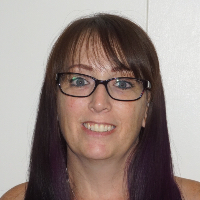
Alicia Stone, LMFT
California · 23 yrs exp
Topics: Stress, Anxiety / LGBT / Relationship +6
View ProfileTherapist listings come from BetterHelp, and we will earn a commission if you use our link - at no cost to you.
Explore therapists who focus on social anxiety and phobia, including clinicians who list CBT, exposure, mindfulness, or other approaches. Use the listings below to review credentials, languages, and treatment focus. Browse profiles to find professionals who may fit your needs.
California · 23 yrs exp
Topics: Stress, Anxiety / LGBT / Relationship +6
View Profile
Minnesota · 14 yrs exp
Topics: Stress, Anxiety / Relationship / Family +9
View Profile
Ohio · 3 yrs exp
Topics: Addictions / Family / Anger +7
Methods: Client-Centered Therapy / Cognitive Behavioral Therapy (CBT)
View Profile
Pennsylvania · 12 yrs exp
Topics: Stress, Anxiety / Trauma and abuse / Self esteem +12
Methods: Client-Centered Therapy / Mindfulness Therapy
View Profile
Oregon · 14 yrs exp
Topics: Grief / Self esteem / Career +9
Methods: Client-Centered Therapy / Cognitive Behavioral Therapy (CBT)
View Profile
New York · 35 yrs exp
Topics: Stress, Anxiety / Self esteem / Career +11
Methods: Client-Centered Therapy / Mindfulness Therapy
View Profile
Oregon · 32 yrs exp
Topics: Stress, Anxiety / Relationship / Trauma and abuse +10
View Profile
North Carolina · 13 yrs exp
Topics: Stress, Anxiety / Relationship / Family +14
Methods: Acceptance and Commitment Therapy (ACT) / Client-Centered Therapy
View Profile
Virginia · 6 yrs exp
Topics: Stress, Anxiety / Trauma and abuse / Parenting +5
Methods: Client-Centered Therapy / Cognitive Behavioral Therapy (CBT)
View Profile
South Carolina · 10 yrs exp
Topics: Stress, Anxiety / Relationship / Family +2
Methods: Client-Centered Therapy / Cognitive Behavioral Therapy (CBT)
View Profile
Texas · 25 yrs exp
Topics: Stress, Anxiety / Relationship / Trauma and abuse +13
Methods: Acceptance and Commitment Therapy (ACT) / Cognitive Behavioral Therapy (CBT)
View Profile
Florida · 13 yrs exp
Topics: Stress, Anxiety / Self esteem / Career +4
Methods: Client-Centered Therapy / Cognitive Behavioral Therapy (CBT)
View Profile
Texas · 8 yrs exp
Topics: Stress, Anxiety / Grief / Self esteem +12
Methods: Cognitive Behavioral Therapy (CBT) / Solution-Focused Therapy
View Profile
Arizona · 30 yrs exp
Topics: Stress, Anxiety / Trauma and abuse / Self esteem +12
Methods: Client-Centered Therapy / Cognitive Behavioral Therapy (CBT)
View Profile
Florida · 22 yrs exp
Topics: Stress, Anxiety / Self esteem / Depression +6
Methods: Acceptance and Commitment Therapy (ACT) / Client-Centered Therapy
View Profile
Louisiana · 14 yrs exp
Topics: Stress, Anxiety / Anger / Self esteem +10
View Profile
Texas · 6 yrs exp
Topics: Relationship / Family / Parenting +8
Methods: Client-Centered Therapy / Cognitive Behavioral Therapy (CBT)
View Profile
Georgia · 20 yrs exp
Topics: Stress, Anxiety / Addictions / Anger +11
Methods: Client-Centered Therapy / Cognitive Behavioral Therapy (CBT)
View Profile
Oregon · 10 yrs exp
Topics: Stress, Anxiety / Grief / Self esteem +11
Methods: Acceptance and Commitment Therapy (ACT) / Cognitive Behavioral Therapy (CBT)
View Profile
North Carolina · 30 yrs exp
Topics: Stress, Anxiety / Relationship / Family +11
Methods: Client-Centered Therapy / Cognitive Behavioral Therapy (CBT)
View Profile
Pennsylvania · 15 yrs exp
Topics: Stress, Anxiety / Trauma and abuse / Sleeping +10
View Profile
Nebraska · 25 yrs exp
Topics: Stress, Anxiety / Family / Trauma and abuse +13
Methods: Client-Centered Therapy / Cognitive Behavioral Therapy (CBT)
View Profile
Wisconsin · 11 yrs exp
Topics: Stress, Anxiety / Relationship / Family +7
Methods: Client-Centered Therapy / Cognitive Behavioral Therapy (CBT)
View Profile
North Carolina · 25 yrs exp
Topics: Stress, Anxiety / Addictions / Family +12
Methods: Client-Centered Therapy / Cognitive Behavioral Therapy (CBT)
View Profile
Georgia · 12 yrs exp
Topics: Stress, Anxiety / Addictions / Trauma and abuse +2
View Profile
South Carolina · 20 yrs exp
Topics: Stress, Anxiety / Relationship / Eating +11
Methods: Client-Centered Therapy / Cognitive Behavioral Therapy (CBT)
View Profile
Florida · 4 yrs exp · 2 languages
Topics: Stress, Anxiety / Trauma and abuse / Self esteem +9
Methods: Cognitive Behavioral Therapy (CBT) / Dialectical Behavior Therapy (DBT)
View Profile
New York · 36 yrs exp
Topics: Stress, Anxiety / Family / Parenting +8
Methods: Client-Centered Therapy / Cognitive Behavioral Therapy (CBT)
View Profile
Louisiana · 14 yrs exp
Topics: Stress, Anxiety / Parenting / Anger +2
Methods: Attachment-Based Therapy / Client-Centered Therapy
View Profile
Mississippi · 10 yrs exp
Topics: Stress, Anxiety / Anger / Self esteem +2
Methods: Client-Centered Therapy / Cognitive Behavioral Therapy (CBT)
View Profile
Mississippi · 21 yrs exp
Topics: Stress, Anxiety / Family / Parenting +10
Methods: Acceptance and Commitment Therapy (ACT) / Client-Centered Therapy
View Profile
North Carolina · 16 yrs exp
Topics: Stress, Anxiety / Addictions / Trauma and abuse +14
Methods: Acceptance and Commitment Therapy (ACT) / Client-Centered Therapy
View Profile
Texas · 5 yrs exp
Topics: Stress, Anxiety / Relationship / Family +10
View Profile
New York · 14 yrs exp
Topics: Stress, Anxiety / Relationship / Trauma and abuse +6
Methods: Acceptance and Commitment Therapy (ACT) / Client-Centered Therapy
View Profile
New York · 18 yrs exp · 3 languages
Topics: Stress, Anxiety / Relationship / Parenting +2
View Profile
Texas · 3 yrs exp
Topics: Stress, Anxiety / Addictions / Relationship +6
Methods: Acceptance and Commitment Therapy (ACT) / Attachment-Based Therapy
View Profile
Missouri · 22 yrs exp
Topics: Stress, Anxiety / Trauma and abuse / Self esteem +7
Methods: Client-Centered Therapy / Cognitive Behavioral Therapy (CBT)
View Profile
Illinois · 11 yrs exp
Topics: Stress, Anxiety / Relationship / Family +2
View Profile
Missouri · 9 yrs exp
Topics: Stress, Anxiety / Addictions / Trauma and abuse +2
View Profile
Florida · 10 yrs exp
Topics: Stress, Anxiety / Addictions / Trauma and abuse +2
View Profile
Minnesota · 7 yrs exp
Topics: Stress, Anxiety / LGBT / Trauma and abuse +10
Methods: Client-Centered Therapy / Cognitive Behavioral Therapy (CBT)
View Profile
Illinois · 10 yrs exp
Topics: Stress, Anxiety / Trauma and abuse / Grief +12
Methods: Client-Centered Therapy / Cognitive Behavioral Therapy (CBT)
View Profile
North Carolina · 20 yrs exp
Topics: Stress, Anxiety / Addictions / LGBT +2
Methods: Acceptance and Commitment Therapy (ACT) / Client-Centered Therapy
View Profile
Alabama · 17 yrs exp
Topics: Stress, Anxiety / Addictions / Grief +2
View Profile
Florida · 25 yrs exp
Topics: Stress, Anxiety / Relationship / Trauma and abuse +3
Methods: Cognitive Behavioral Therapy (CBT) / Dialectical Behavior Therapy (DBT)
View Profile
Georgia · 11 yrs exp
Topics: Addictions / Relationship / Trauma and abuse +2
Methods: Cognitive Behavioral Therapy (CBT)
View Profile
Illinois · 5 yrs exp
Topics: Stress, Anxiety / Relationship / Trauma and abuse +13
Methods: Acceptance and Commitment Therapy (ACT) / Attachment-Based Therapy
View Profile
Montana · 10 yrs exp
Topics: Stress, Anxiety / Trauma and abuse / Grief +10
Methods: Attachment-Based Therapy / Client-Centered Therapy
View Profile
Massachusetts · 5 yrs exp
Topics: Stress, Anxiety / Family / Self esteem +5
Methods: Client-Centered Therapy / Dialectical Behavior Therapy (DBT)
View Profile
Texas · 7 yrs exp · 3 languages
Topics: Stress, Anxiety / Addictions / Relationship +13
Methods: Acceptance and Commitment Therapy (ACT) / Cognitive Behavioral Therapy (CBT)
View Profile
Missouri · 22 yrs exp
Topics: Stress, Anxiety / Addictions / Self esteem +2
View Profile
Pennsylvania · 17 yrs exp
Topics: Stress, Anxiety / Trauma and abuse / Self esteem +2
View Profile
North Carolina · 10 yrs exp
Topics: Stress, Anxiety / Trauma and abuse / Self esteem +2
View Profile
Florida · 13 yrs exp
Topics: Stress, Anxiety / Addictions / Relationship +2
Methods: Client-Centered Therapy / Cognitive Behavioral Therapy (CBT)
View Profile
Illinois · 39 yrs exp
Topics: Stress, Anxiety / Relationship / Grief +2
Methods: Client-Centered Therapy / Cognitive Behavioral Therapy (CBT)
View Profile
Texas · 15 yrs exp
Topics: Stress, Anxiety / Family / Parenting +10
Methods: Client-Centered Therapy / Cognitive Behavioral Therapy (CBT)
View Profile
New Jersey · 25 yrs exp
Topics: Stress, Anxiety / Family / Anger +2
View Profile
Utah · 30 yrs exp
Topics: Stress, Anxiety / Trauma and abuse / Grief +2
View Profile
Louisiana · 27 yrs exp
Topics: Stress, Anxiety / Relationship / Self esteem +5
Methods: Attachment-Based Therapy / Client-Centered Therapy
View Profile
Florida · 9 yrs exp
Topics: Stress, Anxiety / Addictions / Self esteem +10
Methods: Client-Centered Therapy / Cognitive Behavioral Therapy (CBT)
View ProfileSocial anxiety and specific social phobias are conditions in which social situations trigger intense worry about negative evaluation, embarrassment, or rejection. You might experience a racing heart, difficulty speaking, or the urge to avoid gatherings, meetings, or one-on-one interactions. For some people the fear is centered on performance situations - such as public speaking or work presentations - while for others everyday encounters like making small talk, attending parties, or even ordering food can feel overwhelming. These reactions can show up in your thoughts, your body, and your behaviors, shaping the choices you make about work, school, relationships, and leisure.
People with social anxiety commonly describe a persistent internal narrative about being judged or seen as inadequate. You may replay past interactions in your mind and steer clear of opportunities where you might feel exposed. Over time avoidance can narrow your life, reducing social contact and limiting personal or professional growth. While occasional shyness is normal, when anxiety regularly interferes with routines, goals, or enjoyment, many find it helpful to seek professional support to learn tools that reduce fear and expand options in social situations.
If you find that worry about social situations frequently affects your decisions, productivity, or relationships, therapy can offer a structured way to address these patterns. You may notice that you decline invitations, miss opportunities to speak up, or avoid roles that require social exposure. Anxiety symptoms such as trembling, sweating, heart palpitations, or a persistent need to escape can signal that social settings are triggering a strong physiological stress response. You may also experience intense self-criticism or ruminative thoughts after interactions, which can keep anxiety active long after the event ends.
Another sign you might benefit from therapy is if you rely heavily on safety behaviors to get through social situations - for example rehearing what you will say, sticking only with familiar people, or using alcohol to cope. These strategies often provide short-term relief but maintain the underlying fear over time. If you want to understand what drives your anxiety, build confidence in interactions, and develop practical ways to face feared situations while managing symptoms, a therapist who focuses on social anxiety and phobia can help you create a plan that fits your life.
When you begin therapy for social anxiety, the first sessions are usually about building rapport and clarifying goals. You and your therapist will talk about the specific situations that provoke anxiety, what you notice in your body and mind, and how avoidance has shaped your daily life. This initial work helps create a shared understanding of your patterns so that subsequent sessions can target the most meaningful changes. Sessions tend to be collaborative - your therapist will invite your input and adapt pacing based on what feels manageable for you.
Therapy often includes skill-building as well as gradual practice in real-world situations. You may work on techniques to manage intense physical sensations in the moment and strategies to shift unhelpful thinking. Practice assignments between sessions are common and are designed to be achievable steps toward broader goals. Over time you should expect to try increasingly challenging social tasks, reflect on what happens, and adjust strategies with your therapist’s guidance. Therapy does not promise quick fixes, but it provides a structured environment to experiment with new behaviors and build lasting confidence.
Clinicians use several evidence-informed approaches to help people with social anxiety and phobia. Cognitive-behavioral strategies are widely used and focus on identifying unhelpful thoughts, testing beliefs through behavioral experiments, and practicing exposure to feared situations. You may meet therapists who list cognitive behavioral therapy among their approaches, which often combine cognitive restructuring with gradual exposure tasks. Exposure-based work helps you face feared situations in a controlled way so that anxiety reduces over time through experience rather than avoidance.
Other approaches that appear in therapist profiles include acceptance-based methods, mindfulness practices, and interpersonal strategies. When therapists list acceptance and commitment principles among their approaches, they often emphasize values-guided action and skills for tolerating uncomfortable feelings while pursuing meaningful goals. Some therapists include emotion-focused work to explore how early experiences shape social fears, or they may list approaches that emphasize social skills training to strengthen conversational ease and nonverbal communication. You will also see therapists who list EMDR among their approaches; some people find that processing traumatic social experiences can reduce fear in social contexts. When reviewing listings, note the language therapists use to describe their focus and the ways they combine approaches to match individual needs.
Online therapy can be a practical option when you want to address social anxiety from your home, a workplace, or another comfortable environment. Many therapists offer video sessions that mirror in-person meetings - you talk through experiences, learn skills, and plan exposures with real-time guidance. Some people appreciate the reduced need to commute and the ability to practice social skills in settings that are part of their daily life. Online work can also make it easier to involve trusted others, such as family members or partners, for role plays or collaborative planning when appropriate.
Virtual sessions can include screen-sharing of worksheets, guided mindfulness practices, and the use of recording features for you to review role-play exercises. If you plan to do exposure tasks between sessions, your therapist can help design steps that suit your environment and provide immediate feedback during follow-up meetings. Keep in mind that not every therapist offers the same format, and session structure may vary depending on how you and your therapist agree to work together.
When selecting a therapist, focus on areas that matter most to you. Consider descriptions that mention social anxiety, public speaking fears, or avoidance of social settings to find clinicians who explicitly list these focus areas. Look at the therapeutic approaches therapists list to see whether they emphasize exposure work, cognitive strategies, acceptance-based methods, or interpersonal skills. If language or cultural understanding is important to you, review profile details about languages spoken and professional background. Experience with related issues - such as performance anxiety, relationship stress, or panic symptoms in social contexts - may be relevant to your goals.
Read therapists’ statements about how they work and what a typical course of therapy might look like. Many profiles outline their preferred pace and whether they use homework or practice assignments. You may want to reach out to ask how they plan exposures, how they measure progress, and how they tailor work to individual preferences. Trust your sense of fit: a therapist who communicates clearly about steps and responds to your questions can make it easier to stay engaged in the process. Choosing a therapist is a personal decision - reviewing profiles, noting the approaches listed, and reflecting on how a therapist describes collaboration and goals can help you find a match that supports meaningful change.
Addressing social anxiety is often a gradual process that involves learning new skills, facing feared situations, and reshaping long-held beliefs about yourself. With thoughtful selection of a therapist and consistent practice, many people expand their comfort in social settings and reclaim opportunities that had been limited by fear. Use the listings above to explore clinicians who focus on social anxiety and phobia, and look for profiles that describe an approach and partnership that resonate with your goals.
Alabama
170 therapists
Alaska
22 therapists
Arizona
135 therapists
Arkansas
87 therapists
Australia
343 therapists
California
1210 therapists
Colorado
241 therapists
Connecticut
128 therapists
Delaware
30 therapists
District of Columbia
30 therapists
Florida
1054 therapists
Georgia
312 therapists
Hawaii
37 therapists
Idaho
67 therapists
Illinois
415 therapists
Indiana
197 therapists
Iowa
43 therapists
Kansas
76 therapists
Kentucky
164 therapists
Louisiana
197 therapists
Maine
49 therapists
Maryland
219 therapists
Massachusetts
164 therapists
Michigan
371 therapists
Minnesota
138 therapists
Mississippi
121 therapists
Missouri
217 therapists
Montana
63 therapists
Nebraska
50 therapists
Nevada
63 therapists
New Hampshire
20 therapists
New Jersey
241 therapists
New Mexico
43 therapists
New York
643 therapists
North Carolina
411 therapists
North Dakota
10 therapists
Ohio
282 therapists
Oklahoma
176 therapists
Oregon
73 therapists
Pennsylvania
416 therapists
Rhode Island
25 therapists
South Carolina
211 therapists
South Dakota
25 therapists
Tennessee
169 therapists
Texas
1202 therapists
United Kingdom
1242 therapists
Utah
96 therapists
Vermont
23 therapists
Virginia
257 therapists
Washington
151 therapists
West Virginia
33 therapists
Wisconsin
153 therapists
Wyoming
25 therapists