- Credentials
- LMHC
- License
- LMHC, Washington / LH60243547
- NPI
- 1902076995
About Rhonda
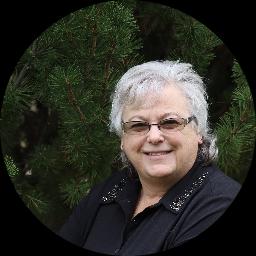
Rhonda Hinsperger is a Washington state LMHC with 11 years of clinical experience. She works with people facing stress, anxiety, depression, relationship and family concerns, parenting and custody issues, trauma and grief, and other life changes. She describes a practical, person-focused approach in sessions.
Conversations are interactive and goal oriented. She uses listening and joint planning to build steps people can try between meetings. Rhonda uses Cognitive Behavioral Therapy and Dialectical Behavior Therapy alongside Client-Centered and Solution-Focused methods.
Background and approach
That mix is used to address symptoms such as anxiety or depression and to practice new patterns in relationships and parenting. Sessions may also address infidelity, jealousy, veteran and armed forces issues, and personality disorder concerns when relevant. Her background includes a Master’s in Social Work from Eastern Washington University and practice in family-related matters such as custody, mediation, and family conflict.
Over the years she has worked with people who have experienced emotional and physical trauma and with those coping with career or life transitions. In sessions she aims to create clear case plans and individualized steps. People can expect direct conversation about goals, skills to try outside sessions, and a focus on what changes feel realistic.
She notes scheduling flexibility to fit some clients’ needs. Rhonda conducts work in English and provides services under the Washington LMHC credential. International clients are not accepted.
How Rhonda uses her approaches in online sessions
Rhonda commonly draws on Cognitive Behavioral Therapy and Dialectical Behavior Therapy in her work. CBT looks at the links between thoughts, feelings, and actions and teaches practical exercises to change unhelpful patterns; it is often used for anxiety, depression, and stress. DBT focuses on building skills for emotional regulation, distress tolerance, and improved communication, which can help with relationship problems, intense emotions, and coping after trauma.Choosing an approach is collaborative. She will discuss goals, preferences, and what has or hasn’t worked before. Together they decide which methods to try and adjust the plan as progress is made.
Confirm current session options before booking because the biography does not list specific online formats. In general, online sessions can make it easier to fit appointments into a busy life, allow shorter check-ins when needed, and reduce travel time. The focus remains on practical skills, structured exercises, and planning steps to use between appointments.
Frequently asked questions
What concerns does she most often address?
Which therapeutic approaches does she use?
How much experience does she have?
What credential and location does she hold?
What languages are sessions offered in?
What session formats are available?
How is cost handled?
How do I begin working with her?
Specialties and expertise
Top specialties
- Stress, Anxiety
- Relationship issues
- Family conflicts
Also works with
- Career difficulties
- Coping with life changes
- Depression
- Grief
- Infidelity
- Jealousy
- Parenting issues
- Personality disorders
- Self esteem
- Trauma and abuse
- Veteran and Armed Forces Issues
Therapeutic approaches
- Experience
- 11 years
- Licensed
- Washington
- Languages
- English