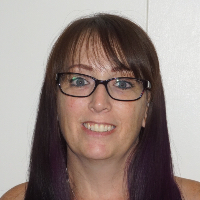
Alicia Stone, LMFT
California · 23 yrs exp
Topics: Stress, Anxiety / LGBT / Relationship +6
View ProfileTherapist listings come from BetterHelp, and we will earn a commission if you use our link - at no cost to you.
This directory page lists therapists who identify trauma and abuse as an area of focus. Use the profiles below to compare approaches, credentials, languages, and experience as you decide which professionals to learn more about.
California · 23 yrs exp
Topics: Stress, Anxiety / LGBT / Relationship +6
View Profile
Minnesota · 14 yrs exp
Topics: Stress, Anxiety / Relationship / Family +9
View Profile
Ohio · 3 yrs exp
Topics: Addictions / Family / Anger +7
Methods: Client-Centered Therapy / Cognitive Behavioral Therapy (CBT)
View Profile
Pennsylvania · 12 yrs exp
Topics: Stress, Anxiety / Trauma and abuse / Self esteem +12
Methods: Client-Centered Therapy / Mindfulness Therapy
View Profile
Delaware · 16 yrs exp
Topics: Stress, Anxiety / Trauma and abuse / Grief +9
Methods: Cognitive Behavioral Therapy (CBT) / Eye Movement Desensitization and Reprocessing (EMDR)
View Profile
Oregon · 14 yrs exp
Topics: Grief / Self esteem / Career +9
Methods: Client-Centered Therapy / Cognitive Behavioral Therapy (CBT)
View Profile
New York · 35 yrs exp
Topics: Stress, Anxiety / Self esteem / Career +11
Methods: Client-Centered Therapy / Mindfulness Therapy
View Profile
Oregon · 32 yrs exp
Topics: Stress, Anxiety / Relationship / Trauma and abuse +10
View Profile
North Carolina · 13 yrs exp
Topics: Stress, Anxiety / Relationship / Family +14
Methods: Acceptance and Commitment Therapy (ACT) / Client-Centered Therapy
View Profile
Florida · 13 yrs exp
Topics: Stress, Anxiety / Anger / Depression +14
Methods: Cognitive Behavioral Therapy (CBT) / Dialectical Behavior Therapy (DBT)
View Profile
Washington · 12 yrs exp
Topics: Stress, Anxiety / Family / Anger +7
View Profile
Virginia · 6 yrs exp
Topics: Stress, Anxiety / Trauma and abuse / Parenting +5
Methods: Client-Centered Therapy / Cognitive Behavioral Therapy (CBT)
View Profile
South Carolina · 10 yrs exp
Topics: Stress, Anxiety / Relationship / Family +2
Methods: Client-Centered Therapy / Cognitive Behavioral Therapy (CBT)
View Profile
Texas · 25 yrs exp
Topics: Stress, Anxiety / Relationship / Trauma and abuse +13
Methods: Acceptance and Commitment Therapy (ACT) / Cognitive Behavioral Therapy (CBT)
View Profile
Texas · 8 yrs exp
Topics: Stress, Anxiety / Grief / Self esteem +12
Methods: Cognitive Behavioral Therapy (CBT) / Solution-Focused Therapy
View Profile
Indiana · 11 yrs exp
Topics: Stress, Anxiety / Grief / Depression +9
Methods: Client-Centered Therapy / Cognitive Behavioral Therapy (CBT)
View Profile
Alabama · 8 yrs exp
Topics: Stress, Anxiety / Trauma and abuse / Anger +6
Methods: Client-Centered Therapy / Cognitive Behavioral Therapy (CBT)
View Profile
Arizona · 30 yrs exp
Topics: Stress, Anxiety / Trauma and abuse / Self esteem +12
Methods: Client-Centered Therapy / Cognitive Behavioral Therapy (CBT)
View Profile
Florida · 22 yrs exp
Topics: Stress, Anxiety / Self esteem / Depression +6
Methods: Acceptance and Commitment Therapy (ACT) / Client-Centered Therapy
View Profile
Georgia · 8 yrs exp
Topics: Stress, Anxiety / Relationship / Grief +6
Methods: Client-Centered Therapy / Cognitive Behavioral Therapy (CBT)
View Profile
Louisiana · 14 yrs exp
Topics: Stress, Anxiety / Anger / Self esteem +10
View Profile
New York · 7 yrs exp
Topics: Stress, Anxiety / Trauma and abuse / Self esteem +12
Methods: Acceptance and Commitment Therapy (ACT) / Client-Centered Therapy
View Profile
California · 10 yrs exp
Topics: Stress, Anxiety / Family / Parenting +6
Methods: Attachment-Based Therapy / Client-Centered Therapy
View Profile
Texas · 8 yrs exp
Topics: Stress, Anxiety / Relationship / Self esteem +9
Methods: Client-Centered Therapy / Cognitive Behavioral Therapy (CBT)
View Profile
Texas · 6 yrs exp
Topics: Relationship / Family / Parenting +8
Methods: Client-Centered Therapy / Cognitive Behavioral Therapy (CBT)
View Profile
Georgia · 20 yrs exp
Topics: Stress, Anxiety / Addictions / Anger +11
Methods: Client-Centered Therapy / Cognitive Behavioral Therapy (CBT)
View Profile
Oregon · 10 yrs exp
Topics: Stress, Anxiety / Grief / Self esteem +11
Methods: Acceptance and Commitment Therapy (ACT) / Cognitive Behavioral Therapy (CBT)
View Profile
North Carolina · 30 yrs exp
Topics: Stress, Anxiety / Relationship / Family +11
Methods: Client-Centered Therapy / Cognitive Behavioral Therapy (CBT)
View Profile
Pennsylvania · 15 yrs exp
Topics: Stress, Anxiety / Trauma and abuse / Sleeping +10
View Profile
Nebraska · 25 yrs exp
Topics: Stress, Anxiety / Family / Trauma and abuse +13
Methods: Client-Centered Therapy / Cognitive Behavioral Therapy (CBT)
View Profile
Pennsylvania · 38 yrs exp
Topics: Stress, Anxiety / Grief / Depression +8
Methods: Client-Centered Therapy / Cognitive Behavioral Therapy (CBT)
View Profile
Texas · 4 yrs exp
Topics: Stress, Anxiety / Addictions / Relationship +4
Methods: Acceptance and Commitment Therapy (ACT) / Client-Centered Therapy
View Profile
North Carolina · 25 yrs exp
Topics: Stress, Anxiety / Addictions / Family +12
Methods: Client-Centered Therapy / Cognitive Behavioral Therapy (CBT)
View Profile
Georgia · 12 yrs exp
Topics: Stress, Anxiety / Addictions / Trauma and abuse +2
View Profile
Florida · 4 yrs exp · 2 languages
Topics: Stress, Anxiety / Trauma and abuse / Self esteem +9
Methods: Cognitive Behavioral Therapy (CBT) / Dialectical Behavior Therapy (DBT)
View Profile
New York · 36 yrs exp
Topics: Stress, Anxiety / Family / Parenting +8
Methods: Client-Centered Therapy / Cognitive Behavioral Therapy (CBT)
View Profile
New Mexico · 3 yrs exp
Topics: Stress, Anxiety / Trauma and abuse / Depression +10
Methods: Cognitive Behavioral Therapy (CBT) / Hypnotherapy
View Profile
Illinois · 38 yrs exp
Topics: Stress, Anxiety / Self esteem / Depression +10
Methods: Client-Centered Therapy / Cognitive Behavioral Therapy (CBT)
View Profile
Michigan · 10 yrs exp
Topics: Relationship / Family / Self esteem +6
View Profile
Mississippi · 21 yrs exp
Topics: Stress, Anxiety / Family / Parenting +10
Methods: Acceptance and Commitment Therapy (ACT) / Client-Centered Therapy
View Profile
North Carolina · 16 yrs exp
Topics: Stress, Anxiety / Addictions / Trauma and abuse +14
Methods: Acceptance and Commitment Therapy (ACT) / Client-Centered Therapy
View Profile
Texas · 5 yrs exp
Topics: Stress, Anxiety / Relationship / Family +10
View Profile
Louisiana · 15 yrs exp
Topics: Stress, Anxiety / Trauma and abuse / Grief +2
View Profile
New York · 14 yrs exp
Topics: Stress, Anxiety / Relationship / Trauma and abuse +6
Methods: Acceptance and Commitment Therapy (ACT) / Client-Centered Therapy
View Profile
Texas · 3 yrs exp
Topics: Stress, Anxiety / Addictions / Relationship +6
Methods: Acceptance and Commitment Therapy (ACT) / Attachment-Based Therapy
View Profile
Florida · 8 yrs exp · 4 languages
Topics: Stress, Anxiety / Relationship / Family +10
Methods: Client-Centered Therapy / Cognitive Behavioral Therapy (CBT)
View Profile
Florida · 11 yrs exp · 2 languages
Topics: Stress, Anxiety / Relationship / Parenting +12
Methods: Acceptance and Commitment Therapy (ACT) / Cognitive Behavioral Therapy (CBT)
View Profile
Missouri · 22 yrs exp
Topics: Stress, Anxiety / Trauma and abuse / Self esteem +7
Methods: Client-Centered Therapy / Cognitive Behavioral Therapy (CBT)
View Profile
Florida · 20 yrs exp
Topics: Stress, Anxiety / Trauma and abuse / Anger +2
Methods: Client-Centered Therapy / Cognitive Behavioral Therapy (CBT)
View Profile
Illinois · 11 yrs exp
Topics: Stress, Anxiety / Relationship / Family +2
View Profile
Missouri · 9 yrs exp
Topics: Stress, Anxiety / Addictions / Trauma and abuse +2
View Profile
Florida · 10 yrs exp
Topics: Stress, Anxiety / Addictions / Trauma and abuse +2
View Profile
Minnesota · 7 yrs exp
Topics: Stress, Anxiety / LGBT / Trauma and abuse +10
Methods: Client-Centered Therapy / Cognitive Behavioral Therapy (CBT)
View Profile
Illinois · 10 yrs exp
Topics: Stress, Anxiety / Trauma and abuse / Grief +12
Methods: Client-Centered Therapy / Cognitive Behavioral Therapy (CBT)
View Profile
Florida · 25 yrs exp
Topics: Stress, Anxiety / Relationship / Trauma and abuse +3
Methods: Cognitive Behavioral Therapy (CBT) / Dialectical Behavior Therapy (DBT)
View Profile
Georgia · 11 yrs exp
Topics: Addictions / Relationship / Trauma and abuse +2
Methods: Cognitive Behavioral Therapy (CBT)
View Profile
Nevada · 25 yrs exp
Topics: Stress, Anxiety / Relationship / Family +2
Methods: Attachment-Based Therapy / Client-Centered Therapy
View Profile
Illinois · 5 yrs exp
Topics: Stress, Anxiety / Relationship / Trauma and abuse +13
Methods: Acceptance and Commitment Therapy (ACT) / Attachment-Based Therapy
View Profile
Ohio · 12 yrs exp
Topics: Stress, Anxiety / Depression / Coping with life changes +11
View Profile
Montana · 10 yrs exp
Topics: Stress, Anxiety / Trauma and abuse / Grief +10
Methods: Attachment-Based Therapy / Client-Centered Therapy
View ProfileTrauma and abuse refer to experiences that overwhelm a person’s usual ability to cope, ranging from one-time events to patterns of harm over time. These experiences can be physical, emotional, sexual, or involve neglect, coercion, or ongoing exposure to threat. People respond in many ways - some notice changes in mood, memory, relationships, or how they react to stress, while others describe shifts in their sense of safety, identity, or trust. The ways trauma shows up are shaped by personal history, culture, developmental stage, and the context in which the harm occurred.
When you read therapist profiles in this specialty, you will see a range of language used to describe focus areas. Some therapists highlight work with complex trauma or developmental trauma, while others emphasize recovery from specific abusive relationships or institutional harm. Understanding these distinctions can help you identify clinicians whose focus aligns with your experience. Rather than seeking a single universal method, many people find that a therapist who names trauma and abuse as a focus brings sensitivity to power dynamics, boundaries, and the pacing needed to build safety and resilience.
You may notice emotional, behavioral, or physical changes long after a traumatic or abusive event. Common experiences include intrusive memories or flashbacks, strong emotional reactions to reminders, avoidance of places or people, difficulty sleeping, heightened startle responses, or persistent feelings of shame, guilt, or numbness. You might also find that relationships feel strained, trust is difficult, or everyday responsibilities feel overwhelming. While these reactions are common, you are the best judge of whether they interfere with the life you want to live.
If you are uncertain about whether to pursue therapy, consider how these patterns affect your day-to-day functioning and relationships. Therapy can help you learn ways to manage distress, process painful memories at a pace that feels tolerable, and develop new coping strategies. Many people seek help not only to reduce symptoms but to reclaim a sense of agency and rebuild meaningful connections. It is reasonable to seek support if there is persistent distress, difficulty regulating emotions, or a desire to change how past experiences influence the present.
Your early sessions will typically involve an assessment of what brought you to therapy, a discussion of safety and goals, and information about the therapist’s approach. These conversations help you and the clinician decide whether the match feels right. You can expect questions about your current concerns, relevant history, and what you hope to accomplish in therapy. A thoughtful clinician will talk about pacing - how deeply to process material now and how to build skills to manage distress between sessions.
Therapy for trauma and abuse often balances stabilization - developing skills to manage intense feelings - with gradual processing of the memories and meanings attached to them. Stabilization can include learning grounding techniques, improving sleep and self-care practices, and developing ways to respond to triggers. Processing may involve talking through memories, examining beliefs formed in response to harm, and learning to tolerate difficult emotions without becoming overwhelmed. The rhythm and methods you experience will vary depending on your needs, the therapist’s style, and the approaches they list on their profile.
Throughout therapy you should expect collaboration about goals and techniques. You can raise concerns about pacing, ask how a method fits your situation, and request pauses for skills-building if processing feels intense. The therapeutic relationship itself - a consistent, respectful working connection - plays a central role in recovery from trauma and abuse, allowing you to test new patterns of relating and receive feedback in a different way than in previous relationships.
A range of therapeutic approaches is used to address trauma and abuse, and therapists often combine methods to match a client’s needs. Cognitive-behavioral approaches, including trauma-focused variants, often concentrate on the connections between thoughts, feelings, and behaviors and include strategies to reduce avoidance and change distressing beliefs. You will find therapists who list trauma-focused cognitive behavioral therapy among their approaches alongside those who emphasize dialectical behavior therapy techniques to help regulate intense emotions and manage crisis moments.
Some clinicians list EMDR among their approaches; this method involves bilateral stimulation combined with focused attention to process distressing memories and associated beliefs. Other clinicians describe somatic approaches that attend to bodily sensations and patterns of tension, helping you reconnect with physical experience in ways that can reduce overwhelm. Narrative and meaning-focused therapies support you in reauthoring the story of what happened so it no longer defines your identity. Internal family systems and parts-based work are described by therapists who list those approaches, and they focus on how different internal parts respond to and protect you after harm.
Mindfulness and stress-reduction practices are commonly integrated to help you build present-moment awareness and reduce reactivity. Exposure-based work may be used cautiously to help reduce the power of reminders, while relational or attachment-focused therapy addresses patterns that developed in the wake of abuse. When reviewing profiles, pay attention to the approaches a therapist lists and read any descriptions they provide about how those approaches are applied to trauma and abuse.
Online therapy can expand access to clinicians who list trauma and abuse among their specialties. Sessions commonly occur via video, phone, or messaging, and you may find differences in how a clinician structures virtual work compared with in-person meetings. Some therapists describe hybrid practices that combine in-person and remote sessions. When considering online options, think about your environment for sessions - a place where you feel able to speak and regroup after intense conversations. You may also want to ask therapists how they handle interruptions, emergency planning, and techniques that translate well to a remote setting.
Choosing a therapist is a personal decision that centers on fit as much as on techniques. Read profiles to learn who lists trauma and abuse as a focus and note the population they describe working with - for example, adults, adolescents, survivors of specific types of abuse, or people navigating complex relational harm. Look for mentions of languages spoken, cultural competence, and experience with populations similar to yours if those factors matter to you. Consider the approaches a clinician lists and whether the descriptions align with your preferences for skills-based work, body-focused methods, relational exploration, or narrative processing.
When you contact a therapist, you can ask about their general approach to pacing, how they adapt methods for different levels of distress, and what kind of between-session supports they recommend. It is appropriate to inquire whether they work with the particular kind of trauma or abuse you experienced and how they integrate cultural or identity factors into care. A good fit is one where you feel heard and where the therapist’s description of their work matches the kind of change you want to see. Use the directory to compare profiles and then reach out to clinicians whose approaches and experience resonate with your needs.
Deciding to pursue therapy for trauma and abuse is an important step. Taking time to read profiles, understand different approaches, and reflect on what you need from therapy can help you make informed choices. Whether you choose in-person or online options, the therapist listings below are a starting place to explore professionals who list trauma and abuse among their specialties and to find a working relationship that supports your path forward.
Alabama
170 therapists
Alaska
22 therapists
Arizona
135 therapists
Arkansas
87 therapists
Australia
343 therapists
California
1210 therapists
Colorado
241 therapists
Connecticut
128 therapists
Delaware
30 therapists
District of Columbia
30 therapists
Florida
1054 therapists
Georgia
312 therapists
Hawaii
37 therapists
Idaho
67 therapists
Illinois
415 therapists
Indiana
197 therapists
Iowa
43 therapists
Kansas
76 therapists
Kentucky
164 therapists
Louisiana
197 therapists
Maine
49 therapists
Maryland
219 therapists
Massachusetts
164 therapists
Michigan
371 therapists
Minnesota
138 therapists
Mississippi
121 therapists
Missouri
217 therapists
Montana
63 therapists
Nebraska
50 therapists
Nevada
63 therapists
New Hampshire
20 therapists
New Jersey
241 therapists
New Mexico
43 therapists
New York
643 therapists
North Carolina
411 therapists
North Dakota
10 therapists
Ohio
282 therapists
Oklahoma
176 therapists
Oregon
73 therapists
Pennsylvania
416 therapists
Rhode Island
25 therapists
South Carolina
211 therapists
South Dakota
25 therapists
Tennessee
169 therapists
Texas
1202 therapists
United Kingdom
1242 therapists
Utah
96 therapists
Vermont
23 therapists
Virginia
257 therapists
Washington
151 therapists
West Virginia
33 therapists
Wisconsin
153 therapists
Wyoming
25 therapists