
Sara Kaczmarek, LMFT
Minnesota · 14 yrs exp
Topics: Stress, Anxiety / Relationship / Family +9
View ProfileTherapist listings come from BetterHelp, and we will earn a commission if you use our link - at no cost to you.
This page lists therapists who focus on women's issues, including reproductive transitions, identity, relationships, and trauma-informed approaches. Browse the listings below to review profiles, approaches, languages, and focus areas as you look for a therapist who fits your needs.
Minnesota · 14 yrs exp
Topics: Stress, Anxiety / Relationship / Family +9
View Profile
Illinois · 20 yrs exp
Topics: Stress, Anxiety / Relationship / Parenting +8
Methods: Client-Centered Therapy / Cognitive Behavioral Therapy (CBT)
View Profile
Pennsylvania · 12 yrs exp
Topics: Stress, Anxiety / Trauma and abuse / Self esteem +12
Methods: Client-Centered Therapy / Mindfulness Therapy
View Profile
Delaware · 16 yrs exp
Topics: Stress, Anxiety / Trauma and abuse / Grief +9
Methods: Cognitive Behavioral Therapy (CBT) / Eye Movement Desensitization and Reprocessing (EMDR)
View Profile
Oregon · 14 yrs exp
Topics: Grief / Self esteem / Career +9
Methods: Client-Centered Therapy / Cognitive Behavioral Therapy (CBT)
View Profile
New York · 35 yrs exp
Topics: Stress, Anxiety / Self esteem / Career +11
Methods: Client-Centered Therapy / Mindfulness Therapy
View Profile
Oregon · 32 yrs exp
Topics: Stress, Anxiety / Relationship / Trauma and abuse +10
View Profile
North Carolina · 13 yrs exp
Topics: Stress, Anxiety / Relationship / Family +14
Methods: Acceptance and Commitment Therapy (ACT) / Client-Centered Therapy
View Profile
Washington · 12 yrs exp
Topics: Stress, Anxiety / Family / Anger +7
View Profile
Texas · 25 yrs exp
Topics: Stress, Anxiety / Relationship / Trauma and abuse +13
Methods: Acceptance and Commitment Therapy (ACT) / Cognitive Behavioral Therapy (CBT)
View Profile
Florida · 13 yrs exp
Topics: Stress, Anxiety / Self esteem / Career +4
Methods: Client-Centered Therapy / Cognitive Behavioral Therapy (CBT)
View Profile
Arizona · 30 yrs exp
Topics: Stress, Anxiety / Trauma and abuse / Self esteem +12
Methods: Client-Centered Therapy / Cognitive Behavioral Therapy (CBT)
View Profile
Florida · 22 yrs exp
Topics: Stress, Anxiety / Self esteem / Depression +6
Methods: Acceptance and Commitment Therapy (ACT) / Client-Centered Therapy
View Profile
Georgia · 8 yrs exp
Topics: Stress, Anxiety / Relationship / Grief +6
Methods: Client-Centered Therapy / Cognitive Behavioral Therapy (CBT)
View Profile
Louisiana · 14 yrs exp
Topics: Stress, Anxiety / Anger / Self esteem +10
View Profile
Texas · 10 yrs exp
Topics: Stress, Anxiety / Relationship / Family +6
Methods: Client-Centered Therapy / Cognitive Behavioral Therapy (CBT)
View Profile
Texas · 6 yrs exp
Topics: Relationship / Family / Parenting +8
Methods: Client-Centered Therapy / Cognitive Behavioral Therapy (CBT)
View Profile
Wisconsin · 11 yrs exp
Topics: Stress, Anxiety / Relationship / Family +7
Methods: Client-Centered Therapy / Cognitive Behavioral Therapy (CBT)
View Profile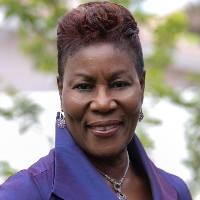
Florida · 21 yrs exp
Topics: Addictions / Relationship / Family +3
Methods: Client-Centered Therapy / Cognitive Behavioral Therapy (CBT)
View Profile
South Carolina · 20 yrs exp
Topics: Stress, Anxiety / Relationship / Eating +11
Methods: Client-Centered Therapy / Cognitive Behavioral Therapy (CBT)
View Profile
Louisiana · 14 yrs exp
Topics: Stress, Anxiety / Parenting / Anger +2
Methods: Attachment-Based Therapy / Client-Centered Therapy
View Profile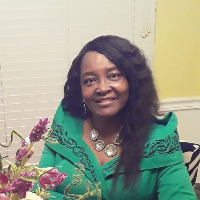
Florida · 20 yrs exp
Topics: Stress, Anxiety / Addictions / Relationship +2
Methods: Acceptance and Commitment Therapy (ACT) / Attachment-Based Therapy
View Profile
Illinois · 38 yrs exp
Topics: Stress, Anxiety / Self esteem / Depression +10
Methods: Client-Centered Therapy / Cognitive Behavioral Therapy (CBT)
View Profile
Mississippi · 21 yrs exp
Topics: Stress, Anxiety / Family / Parenting +10
Methods: Acceptance and Commitment Therapy (ACT) / Client-Centered Therapy
View Profile
Texas · 5 yrs exp
Topics: Stress, Anxiety / Relationship / Family +10
View Profile
Louisiana · 15 yrs exp
Topics: Stress, Anxiety / Trauma and abuse / Grief +2
View Profile
Florida · 11 yrs exp · 2 languages
Topics: Stress, Anxiety / Relationship / Parenting +12
Methods: Acceptance and Commitment Therapy (ACT) / Cognitive Behavioral Therapy (CBT)
View Profile
Missouri · 22 yrs exp
Topics: Stress, Anxiety / Trauma and abuse / Self esteem +7
Methods: Client-Centered Therapy / Cognitive Behavioral Therapy (CBT)
View Profile
Missouri · 16 yrs exp
Topics: Stress, Anxiety / Relationship / Family +3
Methods: Cognitive Behavioral Therapy (CBT)
View Profile
Florida · 10 yrs exp
Topics: Stress, Anxiety / Addictions / Trauma and abuse +2
View Profile
Alabama · 17 yrs exp
Topics: Stress, Anxiety / Addictions / Grief +2
View Profile
Florida · 25 yrs exp
Topics: Stress, Anxiety / Relationship / Trauma and abuse +3
Methods: Cognitive Behavioral Therapy (CBT) / Dialectical Behavior Therapy (DBT)
View Profile
Georgia · 3 yrs exp
Topics: Stress, Anxiety / Self esteem / Career +2
Methods: Client-Centered Therapy / Mindfulness Therapy
View Profile
Illinois · 5 yrs exp
Topics: Stress, Anxiety / Relationship / Trauma and abuse +13
Methods: Acceptance and Commitment Therapy (ACT) / Attachment-Based Therapy
View Profile
Montana · 10 yrs exp
Topics: Stress, Anxiety / Trauma and abuse / Grief +10
Methods: Attachment-Based Therapy / Client-Centered Therapy
View Profile
Florida · 8 yrs exp
Topics: Stress, Anxiety / Trauma and abuse / Parenting +12
Methods: Cognitive Behavioral Therapy (CBT) / Solution-Focused Therapy
View Profile
North Carolina · 10 yrs exp
Topics: Stress, Anxiety / Trauma and abuse / Self esteem +2
View Profile
Texas · 15 yrs exp
Topics: Stress, Anxiety / Family / Parenting +10
Methods: Client-Centered Therapy / Cognitive Behavioral Therapy (CBT)
View Profile
Florida · 9 yrs exp
Topics: Stress, Anxiety / Addictions / Self esteem +10
Methods: Client-Centered Therapy / Cognitive Behavioral Therapy (CBT)
View Profile
Indiana · 35 yrs exp
Topics: Stress, Anxiety / Grief / Self esteem +5
Methods: Client-Centered Therapy / Cognitive Behavioral Therapy (CBT)
View Profile
Louisiana · 20 yrs exp
Topics: Stress, Anxiety / Family / Parenting +10
Methods: Client-Centered Therapy / Cognitive Behavioral Therapy (CBT)
View Profile
California · 8 yrs exp
Topics: Stress, Anxiety / Addictions / Trauma and abuse +12
Methods: Attachment-Based Therapy / Client-Centered Therapy
View Profile
Kansas · 5 yrs exp
Topics: Trauma and abuse / Self esteem / Coping with life changes +12
Methods: Cognitive Behavioral Therapy (CBT) / Eye Movement Desensitization and Reprocessing (EMDR)
View Profile
South Carolina · 6 yrs exp
Topics: Stress, Anxiety / Trauma and abuse / Grief +10
Methods: Client-Centered Therapy / Cognitive Behavioral Therapy (CBT)
View Profile
Florida · 13 yrs exp · 2 languages
Topics: Stress, Anxiety / Relationship / Trauma and abuse +5
Methods: Client-Centered Therapy / Cognitive Behavioral Therapy (CBT)
View Profile
North Carolina · 25 yrs exp
Topics: Stress, Anxiety / Relationship / Depression +2
Methods: Client-Centered Therapy / Cognitive Behavioral Therapy (CBT)
View Profile
New York · 25 yrs exp · 2 languages
Topics: Stress, Anxiety / Trauma and abuse / Self esteem +12
Methods: Cognitive Behavioral Therapy (CBT) / Dialectical Behavior Therapy (DBT)
View Profile
Oklahoma · 6 yrs exp
Topics: Stress, Anxiety / Trauma and abuse / Depression +6
Methods: Acceptance and Commitment Therapy (ACT) / Client-Centered Therapy
View Profile
Mississippi · 16 yrs exp
Topics: Stress, Anxiety / Family / Anger +9
Methods: Client-Centered Therapy / Cognitive Behavioral Therapy (CBT)
View Profile
Georgia · 12 yrs exp
Topics: LGBT / Relationship / Bipolar +7
Methods: Acceptance and Commitment Therapy (ACT) / Client-Centered Therapy
View Profile
Illinois · 40 yrs exp
Topics: Stress, Anxiety / Family / Parenting +10
Methods: Attachment-Based Therapy / Client-Centered Therapy
View Profile
Louisiana · 11 yrs exp
Topics: Stress, Anxiety / Addictions / LGBT +13
Methods: Acceptance and Commitment Therapy (ACT) / Attachment-Based Therapy
View Profile
Missouri · 14 yrs exp
Topics: Stress, Anxiety / Addictions / Anger +11
Methods: Acceptance and Commitment Therapy (ACT) / Client-Centered Therapy
View Profile
Mississippi · 16 yrs exp
Topics: Stress, Anxiety / Parenting / Anger +11
Methods: Acceptance and Commitment Therapy (ACT) / Attachment-Based Therapy
View Profile
Georgia · 10 yrs exp
Topics: Stress, Anxiety / Family / Trauma and abuse +12
Methods: Attachment-Based Therapy / Client-Centered Therapy
View Profile
Illinois · 20 yrs exp
Topics: Stress, Anxiety / Relationship / Parenting +2
View Profile
North Carolina · 20 yrs exp
Topics: Stress, Anxiety / Addictions / Trauma and abuse +2
Methods: Cognitive Behavioral Therapy (CBT) / Solution-Focused Therapy
View Profile
New Jersey · 38 yrs exp
Topics: Stress, Anxiety / Addictions / Relationship +15
Methods: Client-Centered Therapy / Cognitive Behavioral Therapy (CBT)
View Profile
Louisiana · 21 yrs exp
Topics: Stress, Anxiety / Relationship / Trauma and abuse +10
Methods: Client-Centered Therapy / Cognitive Behavioral Therapy (CBT)
View Profile
Ohio · 25 yrs exp
Topics: Stress, Anxiety / Addictions / Relationship +2
Methods: Client-Centered Therapy / Cognitive Behavioral Therapy (CBT)
View ProfileWomen's issues is an umbrella term that covers a wide range of concerns that often relate to gendered experiences across the lifespan. You may be thinking about fertility or pregnancy-related transitions, coping with menstrual or menopausal changes, navigating identity and role expectations, or managing the emotional aftermath of relationship conflict and gender-based trauma. These topics can intersect with work, family, culture, and expectations in ways that feel uniquely personal. While the experiences vary, the emotional consequences often include anxiety, low mood, a sense of being overwhelmed, difficulty with intimacy, or disruptions in daily functioning.
Because these challenges connect to both bodily experiences and social roles, they can bring complex feelings - such as grief for what you expected, confusion about identity, or frustration with systems that feel unsupportive. You may also encounter practical stressors like scheduling medical care, parenting demands, or workplace pressures. Therapy for women's issues aims to address this mix of emotional, interpersonal, and practical concerns in a way that honors your context and goals.
You might consider seeking therapy if emotional or relational struggles related to women's issues are persistent or interfere with your daily life. If you find recurring patterns in relationships, persistent worry around reproductive decisions, or persistent low mood linked to hormonal or life transitions, therapy can provide a place to explore those patterns. You may notice difficulty concentrating at work, withdrawal from people you care about, trouble sleeping, or increased substance use as ways of coping. These can be signals that extra support would be helpful.
Sometimes the signs are subtler. You may feel a steady undercurrent of dissatisfaction, a sense that something has shifted in your identity, or an inability to move forward after a loss or health-related change. Therapy is appropriate whether you are facing acute stressors or are seeking deeper personal growth. If you want to learn skills to manage symptoms, to process past experiences, or to make decisions about reproductive or relational matters, therapists who list women's issues among their specialties can tailor work to those aims.
In the first weeks of therapy you will typically work with a therapist to clarify what matters most to you. Expect conversations about recent experiences, relevant medical history if you choose to share it, relationships, cultural background, and what outcomes you hope to achieve. This stage is collaborative - you and the therapist create goals that match your priorities, whether that means symptom relief, clearer decision-making, improved relationships, or processing trauma.
As therapy continues, sessions often include a mix of exploration and practical skill-building. You may work on emotion regulation, communication strategies for partners or family members, adjustments for life transitions like pregnancy or menopause, or narrative work to reshape how you understand your identity. Therapists vary in their methods and many adapt techniques to fit your preferences and values. Because women's issues frequently touch on both physical health and social context, a therapist may encourage you to coordinate with other supports you already have, such as medical providers, community resources, or peer groups, if that feels useful to you.
Therapists working with women's issues draw from a range of approaches to match the complexity of each person's situation. You may encounter therapists who list cognitive-behavioral approaches among their methods to help you observe and shift unhelpful thought patterns, or those who describe psychodynamic approaches to explore how past relationships shape current patterns. Interpersonal approaches are often useful when relationship dynamics are central, while somatic-informed work can address the ways bodily changes and sensations interplay with emotions.
For trauma-related concerns, you may find therapists who list trauma-focused modalities among their approaches, and some therapists list EMDR among their approaches. It is appropriate to ask a therapist how they approach trauma and what methods they commonly use without assuming formal certification. Other therapists may describe mindfulness-based or acceptance-oriented frameworks that help you tolerate difficult emotions and increase present-moment awareness. When reading profiles, look for language that aligns with how you prefer to work - whether you want structured skill-building, deeper exploratory work, or a combination of both.
Online therapy can make it easier to find therapists who list women's issues as a focus even if there are fewer in your immediate area. Sessions typically take place via video, phone, or messaging platforms, and they can offer flexibility around scheduling and access. When you choose an online therapist, consider logistical details like session length, communication methods between sessions, language offerings, and whether the therapist works with the populations you identify with - for example by age, cultural background, sexual orientation, or reproductive stage.
Selecting the right therapist is a personal process. Start by reading profiles to note therapists' stated focus areas, approaches, credentials, and experience with issues similar to yours. Pay attention to whether a therapist mentions working with reproductive transitions, identity exploration, relationship concerns, or trauma-related issues. Consider practical factors such as languages spoken and whether the therapist outlines a specific approach that appeals to you. Some people prefer a therapist whose profile describes concrete skills and homework, while others seek a therapist who emphasizes reflective exploration. It can be helpful to think about how you cope in stressful situations and choose an approach that complements your style.
When you review profiles, remember that a listed approach does not necessarily indicate formal training. Instead, focus on how a therapist describes their work with clients and whether their descriptions resonate with your goals. You might prepare a few questions to guide an initial outreach or consultation - for example, asking how they typically structure sessions for the concerns you listed, what a few early goals might look like, and what kinds of supports they suggest outside sessions. Considering focus areas, approaches, credentials, languages, and experience will help you narrow the field to therapists who are likely to meet your needs.
Finding the right match can take time, and it is normal to try more than one therapist before you feel settled. The listings below are a place to start your search, offering profiles that highlight how clinicians describe their focus and approach so you can make informed choices that align with your personal priorities.
Alabama
170 therapists
Alaska
22 therapists
Arizona
135 therapists
Arkansas
87 therapists
Australia
343 therapists
California
1210 therapists
Colorado
241 therapists
Connecticut
128 therapists
Delaware
30 therapists
District of Columbia
30 therapists
Florida
1054 therapists
Georgia
312 therapists
Hawaii
37 therapists
Idaho
67 therapists
Illinois
415 therapists
Indiana
197 therapists
Iowa
43 therapists
Kansas
76 therapists
Kentucky
164 therapists
Louisiana
197 therapists
Maine
49 therapists
Maryland
219 therapists
Massachusetts
164 therapists
Michigan
371 therapists
Minnesota
138 therapists
Mississippi
121 therapists
Missouri
217 therapists
Montana
63 therapists
Nebraska
50 therapists
Nevada
63 therapists
New Hampshire
20 therapists
New Jersey
241 therapists
New Mexico
43 therapists
New York
643 therapists
North Carolina
411 therapists
North Dakota
10 therapists
Ohio
282 therapists
Oklahoma
176 therapists
Oregon
73 therapists
Pennsylvania
416 therapists
Rhode Island
25 therapists
South Carolina
211 therapists
South Dakota
25 therapists
Tennessee
169 therapists
Texas
1202 therapists
United Kingdom
1242 therapists
Utah
96 therapists
Vermont
23 therapists
Virginia
257 therapists
Washington
151 therapists
West Virginia
33 therapists
Wisconsin
153 therapists
Wyoming
25 therapists