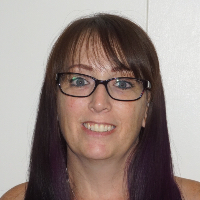
Alicia Stone, LMFT
California · 23 yrs exp
Topics: Stress, Anxiety / LGBT / Relationship +6
View ProfileTherapist listings come from BetterHelp, and we will earn a commission if you use our link - at no cost to you.
This page features clinicians who list self esteem among their specialties so you can explore different profiles and approaches. Browse the listings below to review therapists' focus areas, methods, languages, and professional backgrounds. Use the directory entries to identify practitioners whose experience and approach align with your goals.
California · 23 yrs exp
Topics: Stress, Anxiety / LGBT / Relationship +6
View Profile
Florida · 32 yrs exp
Topics: LGBT / Grief / Self esteem +2
Methods: Client-Centered Therapy / Cognitive Behavioral Therapy (CBT)
View Profile
Minnesota · 14 yrs exp
Topics: Stress, Anxiety / Relationship / Family +9
View Profile
Texas · 11 yrs exp
Topics: Stress, Anxiety / Bipolar / Depression +3
Methods: Client-Centered Therapy / Cognitive Behavioral Therapy (CBT)
View Profile
Illinois · 20 yrs exp
Topics: Stress, Anxiety / Relationship / Parenting +8
Methods: Client-Centered Therapy / Cognitive Behavioral Therapy (CBT)
View Profile
Ohio · 3 yrs exp
Topics: Addictions / Family / Anger +7
Methods: Client-Centered Therapy / Cognitive Behavioral Therapy (CBT)
View Profile
Pennsylvania · 12 yrs exp
Topics: Stress, Anxiety / Trauma and abuse / Self esteem +12
Methods: Client-Centered Therapy / Mindfulness Therapy
View Profile
Delaware · 16 yrs exp
Topics: Stress, Anxiety / Trauma and abuse / Grief +9
Methods: Cognitive Behavioral Therapy (CBT) / Eye Movement Desensitization and Reprocessing (EMDR)
View Profile
Oregon · 14 yrs exp
Topics: Grief / Self esteem / Career +9
Methods: Client-Centered Therapy / Cognitive Behavioral Therapy (CBT)
View Profile
New York · 35 yrs exp
Topics: Stress, Anxiety / Self esteem / Career +11
Methods: Client-Centered Therapy / Mindfulness Therapy
View Profile
Oregon · 32 yrs exp
Topics: Stress, Anxiety / Relationship / Trauma and abuse +10
View Profile
North Carolina · 13 yrs exp
Topics: Stress, Anxiety / Relationship / Family +14
Methods: Acceptance and Commitment Therapy (ACT) / Client-Centered Therapy
View Profile
Florida · 13 yrs exp
Topics: Stress, Anxiety / Anger / Depression +14
Methods: Cognitive Behavioral Therapy (CBT) / Dialectical Behavior Therapy (DBT)
View Profile
Washington · 12 yrs exp
Topics: Stress, Anxiety / Family / Anger +7
View Profile
Virginia · 6 yrs exp
Topics: Stress, Anxiety / Trauma and abuse / Parenting +5
Methods: Client-Centered Therapy / Cognitive Behavioral Therapy (CBT)
View Profile
Texas · 25 yrs exp
Topics: Stress, Anxiety / Relationship / Trauma and abuse +13
Methods: Acceptance and Commitment Therapy (ACT) / Cognitive Behavioral Therapy (CBT)
View Profile
Florida · 13 yrs exp
Topics: Stress, Anxiety / Self esteem / Career +4
Methods: Client-Centered Therapy / Cognitive Behavioral Therapy (CBT)
View Profile
Texas · 8 yrs exp
Topics: Stress, Anxiety / Grief / Self esteem +12
Methods: Cognitive Behavioral Therapy (CBT) / Solution-Focused Therapy
View Profile
Indiana · 11 yrs exp
Topics: Stress, Anxiety / Grief / Depression +9
Methods: Client-Centered Therapy / Cognitive Behavioral Therapy (CBT)
View Profile
Alabama · 8 yrs exp
Topics: Stress, Anxiety / Trauma and abuse / Anger +6
Methods: Client-Centered Therapy / Cognitive Behavioral Therapy (CBT)
View Profile
Arizona · 30 yrs exp
Topics: Stress, Anxiety / Trauma and abuse / Self esteem +12
Methods: Client-Centered Therapy / Cognitive Behavioral Therapy (CBT)
View Profile
Florida · 22 yrs exp
Topics: Stress, Anxiety / Self esteem / Depression +6
Methods: Acceptance and Commitment Therapy (ACT) / Client-Centered Therapy
View Profile
Georgia · 8 yrs exp
Topics: Stress, Anxiety / Relationship / Grief +6
Methods: Client-Centered Therapy / Cognitive Behavioral Therapy (CBT)
View Profile
Louisiana · 14 yrs exp
Topics: Stress, Anxiety / Anger / Self esteem +10
View Profile
New York · 7 yrs exp
Topics: Stress, Anxiety / Trauma and abuse / Self esteem +12
Methods: Acceptance and Commitment Therapy (ACT) / Client-Centered Therapy
View Profile
California · 10 yrs exp
Topics: Stress, Anxiety / Family / Parenting +6
Methods: Attachment-Based Therapy / Client-Centered Therapy
View Profile
Texas · 10 yrs exp
Topics: Stress, Anxiety / Relationship / Family +6
Methods: Client-Centered Therapy / Cognitive Behavioral Therapy (CBT)
View Profile
Texas · 8 yrs exp
Topics: Stress, Anxiety / Relationship / Self esteem +9
Methods: Client-Centered Therapy / Cognitive Behavioral Therapy (CBT)
View Profile
Texas · 6 yrs exp
Topics: Relationship / Family / Parenting +8
Methods: Client-Centered Therapy / Cognitive Behavioral Therapy (CBT)
View Profile
Georgia · 20 yrs exp
Topics: Stress, Anxiety / Addictions / Anger +11
Methods: Client-Centered Therapy / Cognitive Behavioral Therapy (CBT)
View Profile
Oregon · 10 yrs exp
Topics: Stress, Anxiety / Grief / Self esteem +11
Methods: Acceptance and Commitment Therapy (ACT) / Cognitive Behavioral Therapy (CBT)
View Profile
North Carolina · 30 yrs exp
Topics: Stress, Anxiety / Relationship / Family +11
Methods: Client-Centered Therapy / Cognitive Behavioral Therapy (CBT)
View Profile
Pennsylvania · 15 yrs exp
Topics: Stress, Anxiety / Trauma and abuse / Sleeping +10
View Profile
Nebraska · 25 yrs exp
Topics: Stress, Anxiety / Family / Trauma and abuse +13
Methods: Client-Centered Therapy / Cognitive Behavioral Therapy (CBT)
View Profile
Pennsylvania · 38 yrs exp
Topics: Stress, Anxiety / Grief / Depression +8
Methods: Client-Centered Therapy / Cognitive Behavioral Therapy (CBT)
View Profile
Wisconsin · 11 yrs exp
Topics: Stress, Anxiety / Relationship / Family +7
Methods: Client-Centered Therapy / Cognitive Behavioral Therapy (CBT)
View Profile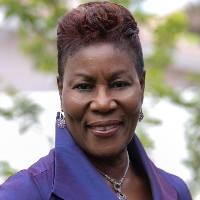
Florida · 21 yrs exp
Topics: Addictions / Relationship / Family +3
Methods: Client-Centered Therapy / Cognitive Behavioral Therapy (CBT)
View Profile
North Carolina · 25 yrs exp
Topics: Stress, Anxiety / Addictions / Family +12
Methods: Client-Centered Therapy / Cognitive Behavioral Therapy (CBT)
View Profile
South Carolina · 20 yrs exp
Topics: Stress, Anxiety / Relationship / Eating +11
Methods: Client-Centered Therapy / Cognitive Behavioral Therapy (CBT)
View Profile
Florida · 4 yrs exp · 2 languages
Topics: Stress, Anxiety / Trauma and abuse / Self esteem +9
Methods: Cognitive Behavioral Therapy (CBT) / Dialectical Behavior Therapy (DBT)
View Profile
New York · 36 yrs exp
Topics: Stress, Anxiety / Family / Parenting +8
Methods: Client-Centered Therapy / Cognitive Behavioral Therapy (CBT)
View Profile
New Mexico · 3 yrs exp
Topics: Stress, Anxiety / Trauma and abuse / Depression +10
Methods: Cognitive Behavioral Therapy (CBT) / Hypnotherapy
View Profile
Louisiana · 14 yrs exp
Topics: Stress, Anxiety / Parenting / Anger +2
Methods: Attachment-Based Therapy / Client-Centered Therapy
View Profile
Florida · 20 yrs exp
Topics: Stress, Anxiety / Addictions / Relationship +2
Methods: Acceptance and Commitment Therapy (ACT) / Attachment-Based Therapy
View Profile
Illinois · 38 yrs exp
Topics: Stress, Anxiety / Self esteem / Depression +10
Methods: Client-Centered Therapy / Cognitive Behavioral Therapy (CBT)
View Profile
Texas · 9 yrs exp
Topics: Relationship / Self esteem / Career +2
View Profile
Mississippi · 10 yrs exp
Topics: Stress, Anxiety / Anger / Self esteem +2
Methods: Client-Centered Therapy / Cognitive Behavioral Therapy (CBT)
View Profile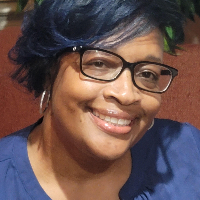
Michigan · 10 yrs exp
Topics: Relationship / Family / Self esteem +6
View Profile
Mississippi · 21 yrs exp
Topics: Stress, Anxiety / Family / Parenting +10
Methods: Acceptance and Commitment Therapy (ACT) / Client-Centered Therapy
View Profile
North Carolina · 16 yrs exp
Topics: Stress, Anxiety / Addictions / Trauma and abuse +14
Methods: Acceptance and Commitment Therapy (ACT) / Client-Centered Therapy
View Profile
Texas · 5 yrs exp
Topics: Stress, Anxiety / Relationship / Family +10
View Profile
Louisiana · 15 yrs exp
Topics: Stress, Anxiety / Trauma and abuse / Grief +2
View Profile
New York · 14 yrs exp
Topics: Stress, Anxiety / Relationship / Trauma and abuse +6
Methods: Acceptance and Commitment Therapy (ACT) / Client-Centered Therapy
View Profile
New York · 18 yrs exp · 3 languages
Topics: Stress, Anxiety / Relationship / Parenting +2
View Profile
Texas · 8 yrs exp · 2 languages
Topics: Stress, Anxiety / Addictions / Anger +8
Methods: Client-Centered Therapy / Cognitive Behavioral Therapy (CBT)
View Profile
Texas · 3 yrs exp
Topics: Stress, Anxiety / Addictions / Relationship +6
Methods: Acceptance and Commitment Therapy (ACT) / Attachment-Based Therapy
View Profile
Florida · 8 yrs exp · 4 languages
Topics: Stress, Anxiety / Relationship / Family +10
Methods: Client-Centered Therapy / Cognitive Behavioral Therapy (CBT)
View Profile
Florida · 11 yrs exp · 2 languages
Topics: Stress, Anxiety / Relationship / Parenting +12
Methods: Acceptance and Commitment Therapy (ACT) / Cognitive Behavioral Therapy (CBT)
View Profile
Missouri · 22 yrs exp
Topics: Stress, Anxiety / Trauma and abuse / Self esteem +7
Methods: Client-Centered Therapy / Cognitive Behavioral Therapy (CBT)
View Profile
Florida · 20 yrs exp
Topics: Stress, Anxiety / Trauma and abuse / Anger +2
Methods: Client-Centered Therapy / Cognitive Behavioral Therapy (CBT)
View ProfileSelf esteem refers to the way you evaluate your own worth and competence. It influences how you speak to yourself, the risks you take, how you form relationships, and the goals you pursue. For many people it is not a fixed trait but a pattern shaped by early experiences, social messages, and ongoing life events. Low self esteem can make you doubt your abilities, avoid opportunities, or tolerate harmful relationships. High but fragile self esteem can mean that your sense of worth depends heavily on external approval or success, which can be exhausting and unstable.
The effects of self esteem ripple across emotional, social, and practical domains. You might find it hard to accept compliments, struggle with decision-making, or feel anxious about how others perceive you. At work or school you may underperform because you avoid challenges, or you may overwork to prove your value. In relationships, low self esteem can result in withdrawing or people-pleasing, while an overreliance on validation from others can create dependency and resentment. Understanding these patterns is a key first step in choosing support that fits your needs.
You may benefit from focused support when negative self-talk frequently interferes with daily functioning. If you notice persistent feelings of not being good enough, chronic shame, or a constant need for reassurance, therapy can offer space to examine and shift those patterns. People often seek help after repeated setbacks at work, relationship conflicts that echo earlier messages about worth, or prolonged avoidance of situations that matter to them. You might also be drawn to therapy if you feel stuck in cycles of self-criticism after mistakes or if success brings anxiety instead of satisfaction.
Other indicators include difficulty setting boundaries, trouble accepting praise, or contrasting extremes where you alternate between harsh self-judgment and defensive pride. Changes in mood, social withdrawal, or patterns of self-sabotage can also suggest that underlying beliefs about worth are at play. If daily life feels constrained by doubts about yourself or if you want to develop a more resilient and compassionate inner voice, exploring therapy for self esteem can be a constructive step.
In early sessions you and the therapist typically explore what brought you in and which life areas are most impacted by self esteem concerns. Expect a collaborative process where you set goals that feel meaningful to you - these might include reducing self-critical thinking, improving assertiveness, or building comfort with success. The therapist will likely ask about your history, relationships, and current stressors to form a picture of how self esteem developed and which patterns maintain it now.
Therapy for self esteem often blends reflection with practical exercises. You can expect conversations that examine automatic thoughts and early messages about worth alongside experiential practices designed to change how you relate to yourself. Homework between sessions may involve trying new behaviors, keeping track of self-talk, or experimenting with boundary-setting in everyday situations. Progress tends to be gradual and individualized; you will likely notice shifts in how you respond to setbacks, give and receive feedback, and tolerate discomfort over time.
There are a range of therapeutic approaches commonly used to address self esteem. You may find therapists who list cognitive behavioral therapy - CBT - among their approaches, which focuses on identifying and reshaping unhelpful thoughts and behaviors. Others list psychodynamic approaches that explore how past relationships and unconscious patterns influence current self-view. Acceptance and commitment approaches emphasize values-based action and reducing the influence of negative thoughts, while compassion-focused strategies work to cultivate self-kindness and reduce shame. Narrative approaches help you examine the stories you tell about yourself and experiment with alternative narratives. When reviewing practitioner profiles, look for language that explains their typical work on self esteem so you understand how they might partner with you.
Online therapy offers several formats that can be useful for self esteem work, including live video sessions, phone conversations, and asynchronous messaging exchanges. Video sessions allow face-to-face interaction and can replicate the flow of in-person meetings, while messaging can be helpful for short reflections, skill practice, or checking in between sessions. Platforms and clinicians vary in how they handle appointments and communication, so you will want to choose a format that fits your rhythm and preferred level of contact.
When you do self esteem work online, the practical aspects matter. Find a quiet, comfortable environment where you can speak openly and minimize interruptions. Consider using headphones for better audio and to maintain focus. Technology can be an asset because it allows continuity when you travel or have scheduling constraints, and it can expand your options for working with therapists who share language or cultural backgrounds. Many people find that online sessions create a convenient way to maintain regular practice while engaging in the same reflective and behavioral work that occurs in traditional settings.
Selecting a therapist is personal. Begin by reading profile descriptions to see who mentions self esteem and how they describe their approach. Compare clinicians on the basis of focus areas, therapeutic methods, years of experience with similar issues, languages spoken, and any notes about populations they commonly work with, such as adolescents, young adults, parents, or professionals. Profiles that explain a therapist's typical session flow or therapeutic priorities can help you imagine what working together might feel like.
Think about fit as both practical and interpersonal. Practical considerations include session length, fees, and whether the practitioner works with the session format you prefer. Interpersonal fit involves style and pace - some therapists emphasize skill-building and structured exercises, while others prioritize exploration of emotional history and meaning. It can be helpful to prepare a few questions to ask during an introductory conversation, such as what they tend to focus on in early sessions for self esteem, how they measure progress, and what kinds of strategies they often use in practice. Trust your sense of whether the clinician listens well and responds in a way that resonates with you.
Finally, allow yourself time to reflect on how a therapist's background and approach align with your goals. Change in self esteem often involves gradual shifts in thinking and behavior, and working with a practitioner whose style complements your temperament and learning preferences can make that process more accessible. Use the listings below to explore profiles and identify clinicians whose descriptions match the kind of support you seek.
Alabama
170 therapists
Alaska
22 therapists
Arizona
135 therapists
Arkansas
87 therapists
Australia
343 therapists
California
1210 therapists
Colorado
241 therapists
Connecticut
128 therapists
Delaware
30 therapists
District of Columbia
30 therapists
Florida
1054 therapists
Georgia
312 therapists
Hawaii
37 therapists
Idaho
67 therapists
Illinois
415 therapists
Indiana
197 therapists
Iowa
43 therapists
Kansas
76 therapists
Kentucky
164 therapists
Louisiana
197 therapists
Maine
49 therapists
Maryland
219 therapists
Massachusetts
164 therapists
Michigan
371 therapists
Minnesota
138 therapists
Mississippi
121 therapists
Missouri
217 therapists
Montana
63 therapists
Nebraska
50 therapists
Nevada
63 therapists
New Hampshire
20 therapists
New Jersey
241 therapists
New Mexico
43 therapists
New York
643 therapists
North Carolina
411 therapists
North Dakota
10 therapists
Ohio
282 therapists
Oklahoma
176 therapists
Oregon
73 therapists
Pennsylvania
416 therapists
Rhode Island
25 therapists
South Carolina
211 therapists
South Dakota
25 therapists
Tennessee
169 therapists
Texas
1202 therapists
United Kingdom
1242 therapists
Utah
96 therapists
Vermont
23 therapists
Virginia
257 therapists
Washington
151 therapists
West Virginia
33 therapists
Wisconsin
153 therapists
Wyoming
25 therapists