- Credentials
- LMHC
- License
- LMHC, Washington / LH00008167
- NPI
- 1578723730
About Sarah
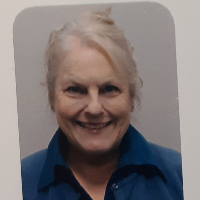
Sarah Ross is a Washington LMHC with 27 years of clinical experience. She has worked across community mental health, drug court settings, marital counseling centers, and independent practice. She sees people dealing with stress, anxiety, depression, relationship and family concerns, grief and loss, self-esteem struggles, and career or life transitions.
She has treated clients coping with substance use intersections, chronic mental illness in community settings, and adults who grew up in alcoholic families.
Background and approach
Her background includes roles as a clinical supervisor and clinic director. That experience shapes how she organizes care and coordinates with other professionals when needed. In sessions she describes herself as interactive.
She looks for patterns or blind spots that might be keeping someone stuck and points them out so clients can gain new insight. She also balances coaching-style interventions with gentler, reflective conversations depending on what a person needs. Her stated approaches include client-centered work, cognitive behavioral tools, psychodynamic ideas, mindfulness, and the Gottman Method for relationship concerns.
She uses practical exercises and skill practice alongside discussion and reflection. Sessions include setting goals, trying different strategies, and checking what helps. Sarah emphasizes that change usually takes time and effort from both the client and the counselor.
She asks people to expect a collaborative process with steady steps toward the goals they set together.
Approaches used in online sessions
Sarah uses client-centered work to focus on the person’s goals and priorities, encouraging active feedback and collaboration in sessions. This approach helps when someone needs a space to sort values, choices, and immediate concerns.She also uses cognitive behavioral therapy, which breaks problems into thoughts, feelings, and actions and teaches specific skills to change unhelpful patterns. CBT is often used for anxiety, depression, and stress-related problems.
Finding the right mix of approaches is part of the process. She will work with each person to decide whether more skills practice, insight work, or relationship-focused methods fit best. Decisions are based on the client’s needs, goals, and preferences, and are adjusted over time.
Confirm session formats before booking since the biography does not list specific online options. In general, online therapy can make it easier to fit sessions into a busy life, allow shorter check-ins when needed, and reduce travel time. It can also make scheduling between work or caregiving responsibilities simpler. Ask about the available session lengths and formats when you complete the matching questionnaire to see what will work for your routine.
Frequently asked questions
What concerns does she commonly address?
How would you describe her therapeutic style?
How much clinical experience does she have?
What are her credentials and where is she based?
Does she offer sessions in other languages or to international clients?
What session formats does she provide?
How are costs and billing handled?
What are the steps to begin working with her?
Specialties and expertise
Top specialties
- Stress, Anxiety
- Relationship issues
- Family conflicts
Also works with
- Blended family issues
- Career difficulties
- Codependency
- Commitment issues
- Communication problems
- Compassion fatigue
- Coping with life changes
- Depression
- Divorce and separation
- Domestic violence
- Emptiness
- Family of origin issues
- Family problems
- Forgiveness
- Grief
- Guilt and shame
- Life purpose
- Mood disorders
- Parenting issues
- Self esteem
- Self-love
- Trauma and abuse
- Workplace issues
Therapeutic approaches
- Experience
- 27 years
- Licensed
- Washington
- Languages
- English