
Sara Kaczmarek, LMFT
Minnesota · 14 yrs exp
Topics: Stress, Anxiety / Relationship / Family +9
View ProfileTherapist listings come from BetterHelp, and we will earn a commission if you use our link - at no cost to you.
Welcome to our directory of online therapists who serve Minnesota residents. All therapists listed here hold a Minnesota license - explore profiles to learn about their approaches, credentials, languages, and focus areas.
Use the listings below to find professionals whose experience and methods match your needs, then read their profiles to decide who to contact next.
Minnesota · 14 yrs exp
Topics: Stress, Anxiety / Relationship / Family +9
View Profile
Minnesota · 7 yrs exp
Topics: Stress, Anxiety / LGBT / Trauma and abuse +10
Methods: Client-Centered Therapy / Cognitive Behavioral Therapy (CBT)
View Profile
Minnesota · 3 yrs exp
Topics: Stress, Anxiety / Addictions / Trauma and abuse +6
Methods: Client-Centered Therapy / Cognitive Behavioral Therapy (CBT)
View Profile
Minnesota · 7 yrs exp
Topics: Stress, Anxiety / Trauma and abuse / Grief +11
Methods: Client-Centered Therapy / Cognitive Behavioral Therapy (CBT)
View Profile
Minnesota · 19 yrs exp
Topics: Stress, Anxiety / Relationship / Family +8
Methods: Cognitive Behavioral Therapy (CBT)
View Profile
Minnesota · 10 yrs exp
Topics: Stress, Anxiety / Addictions / Relationship +7
View Profile
Minnesota · 10 yrs exp
Topics: Stress, Anxiety / Parenting / Career +2
View Profile
Minnesota · 5 yrs exp
Topics: Stress, Anxiety / Self esteem / Depression +8
Methods: Client-Centered Therapy / Cognitive Behavioral Therapy (CBT)
View Profile
Minnesota · 5 yrs exp · 2 languages
Topics: Stress, Anxiety / Trauma and abuse / Self esteem +2
View Profile
Minnesota · 14 yrs exp
Topics: Stress, Anxiety / Relationship / Family +2
View Profile
Minnesota · 5 yrs exp
Topics: Stress, Anxiety / Addictions / Self esteem +2
View Profile
Minnesota · 21 yrs exp
Topics: Stress, Anxiety / Addictions / LGBT +2
View Profile
Minnesota · 5 yrs exp
Topics: Stress, Anxiety / LGBT / Relationship +2
View Profile
Minnesota · 5 yrs exp
Topics: Stress, Anxiety / LGBT / Trauma and abuse +2
Methods: Acceptance and Commitment Therapy (ACT) / Attachment-Based Therapy
View Profile
Minnesota · 5 yrs exp
Topics: Stress, Anxiety / Addictions / Grief +11
View Profile
Minnesota · 14 yrs exp · 2 languages
Topics: Stress, Anxiety / Addictions / Family +2
View Profile
Minnesota · 20 yrs exp
Topics: Stress, Anxiety / Sleeping / Self esteem +7
Methods: Cognitive Behavioral Therapy (CBT) / Hypnotherapy
View Profile
Minnesota · 9 yrs exp
Topics: Stress, Anxiety / Trauma and abuse / Parenting +2
View Profile
Minnesota · 10 yrs exp
Topics: Bipolar / ADHD
View Profile
Minnesota · 6 yrs exp
Topics: Stress, Anxiety / Relationship / Family +2
View Profile
Minnesota · 4 yrs exp
Topics: Stress, Anxiety / Addictions / Family +2
View Profile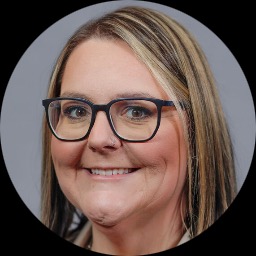
Minnesota · 6 yrs exp
Topics: Stress, Anxiety / LGBT / Trauma and abuse +2
View Profile
Minnesota · 29 yrs exp
Topics: Stress, Anxiety / Grief / Self esteem +13
Methods: Acceptance and Commitment Therapy (ACT) / Client-Centered Therapy
View Profile
Minnesota · 8 yrs exp
Topics: Stress, Anxiety / Relationship / Grief +9
View Profile
Minnesota · 7 yrs exp
Topics: Stress, Anxiety / Relationship / Family +9
Methods: Client-Centered Therapy / Cognitive Behavioral Therapy (CBT)
View Profile
Minnesota · 7 yrs exp
Topics: Stress, Anxiety / Parenting / Self esteem +9
Methods: Acceptance and Commitment Therapy (ACT) / Client-Centered Therapy
View Profile
Minnesota · 8 yrs exp
Topics: Stress, Anxiety / Relationship / Self esteem +11
Methods: Cognitive Behavioral Therapy (CBT) / Motivational Interviewing
View Profile
Minnesota · 10 yrs exp
Topics: Stress, Anxiety / Family / Trauma and abuse +9
Methods: Client-Centered Therapy / Cognitive Behavioral Therapy (CBT)
View Profile
Minnesota · 32 yrs exp
Topics: Stress, Anxiety / Trauma and abuse / Parenting +11
Methods: Acceptance and Commitment Therapy (ACT) / Client-Centered Therapy
View Profile
Minnesota · 10 yrs exp
Topics: Stress, Anxiety / Addictions / Grief +2
View Profile
Minnesota · 25 yrs exp
Topics: Stress, Anxiety / Eating / Parenting +11
Methods: Client-Centered Therapy / Cognitive Behavioral Therapy (CBT)
View Profile
Minnesota · 6 yrs exp
Topics: Stress, Anxiety / Addictions / Depression
Methods: Client-Centered Therapy / Cognitive Behavioral Therapy (CBT)
View Profile
Minnesota · 4 yrs exp
Topics: Relationship / Stress, Anxiety / Family +4
Methods: Client-Centered Therapy
View Profile
Minnesota · 3 yrs exp
Topics: Stress, Anxiety / Trauma and abuse / Self esteem +8
Methods: Client-Centered Therapy / Cognitive Behavioral Therapy (CBT)
View Profile
Minnesota · 5 yrs exp
Topics: Stress, Anxiety / Family / Trauma and abuse +11
Methods: Attachment-Based Therapy / Client-Centered Therapy
View Profile
Minnesota · 25 yrs exp
Topics: Stress, Anxiety / Relationship / Parenting +7
Methods: Client-Centered Therapy / Cognitive Behavioral Therapy (CBT)
View Profile
Minnesota · 6 yrs exp
Topics: Stress, Anxiety / Addictions / LGBT +2
Methods: Attachment-Based Therapy / Client-Centered Therapy
View Profile
Minnesota · 10 yrs exp
Topics: Trauma and abuse / Grief / Anger +12
Methods: Client-Centered Therapy / Cognitive Behavioral Therapy (CBT)
View Profile
Minnesota · 20 yrs exp
Topics: Stress, Anxiety / Relationship / Family +11
Methods: Client-Centered Therapy / Cognitive Behavioral Therapy (CBT)
View Profile
Minnesota · 20 yrs exp
Topics: Addictions / Grief / Self esteem +11
Methods: Client-Centered Therapy / Cognitive Behavioral Therapy (CBT)
View Profile
Minnesota · 14 yrs exp
Topics: Stress, Anxiety / Relationship / Family +7
Methods: Client-Centered Therapy / Cognitive Behavioral Therapy (CBT)
View Profile
Minnesota · 22 yrs exp
Topics: Stress, Anxiety / Trauma and abuse / Parenting +10
Methods: Client-Centered Therapy / Cognitive Behavioral Therapy (CBT)
View Profile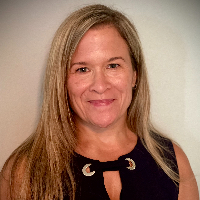
Minnesota · 15 yrs exp
Topics: Stress, Anxiety / Grief / Self esteem +2
Methods: Client-Centered Therapy / Solution-Focused Therapy
View Profile
Minnesota · 7 yrs exp
Topics: Stress, Anxiety / Trauma and abuse / Self esteem +11
Methods: Client-Centered Therapy / Cognitive Behavioral Therapy (CBT)
View Profile
Minnesota · 43 yrs exp
Topics: Stress, Anxiety / Family / Parenting +5
View Profile
Minnesota · 10 yrs exp
Topics: Stress, Anxiety / Anger / Self esteem +9
Methods: Acceptance and Commitment Therapy (ACT) / Attachment-Based Therapy
View Profile
Minnesota · 23 yrs exp
Topics: Stress, Anxiety / Trauma and abuse / Anger +2
View Profile
Minnesota · 6 yrs exp
Topics: Stress, Anxiety / Coaching / ADHD +3
Methods: Acceptance and Commitment Therapy (ACT) / Client-Centered Therapy
View Profile
Minnesota · 3 yrs exp
Topics: Stress, Anxiety / Relationship / Self esteem +8
Methods: Client-Centered Therapy / Cognitive Behavioral Therapy (CBT)
View Profile
Minnesota · 40 yrs exp
Topics: Stress, Anxiety / Addictions / Trauma and abuse +11
Methods: Client-Centered Therapy / Cognitive Behavioral Therapy (CBT)
View Profile
Minnesota · 6 yrs exp
Topics: Stress, Anxiety / Grief / Depression +7
Methods: Client-Centered Therapy / Cognitive Behavioral Therapy (CBT)
View Profile
Minnesota · 15 yrs exp
Topics: Stress, Anxiety / Addictions / Career +13
Methods: Acceptance and Commitment Therapy (ACT) / Client-Centered Therapy
View Profile
Minnesota · 15 yrs exp
Topics: Stress, Anxiety / Grief / Anger +5
Methods: Client-Centered Therapy
View Profile
Minnesota · 13 yrs exp
Topics: Stress, Anxiety / Addictions / Family +14
Methods: Client-Centered Therapy / Cognitive Behavioral Therapy (CBT)
View Profile
Minnesota · 28 yrs exp
Topics: Stress, Anxiety / Relationship / Trauma and abuse +2
Methods: Client-Centered Therapy / Cognitive Behavioral Therapy (CBT)
View Profile
Minnesota · 11 yrs exp
Topics: Stress, Anxiety / Self esteem / Depression +9
View Profile
Minnesota · 20 yrs exp
Topics: Stress, Anxiety / Addictions / Trauma and abuse +11
Methods: Client-Centered Therapy / Cognitive Behavioral Therapy (CBT)
View Profile
Minnesota · 9 yrs exp
Topics: Stress, Anxiety / Trauma and abuse / Depression +8
Methods: Client-Centered Therapy / Cognitive Behavioral Therapy (CBT)
View Profile
Minnesota · 9 yrs exp
Topics: Stress, Anxiety / Addictions / Self esteem +10
Methods: Client-Centered Therapy / Cognitive Behavioral Therapy (CBT)
View Profile
Minnesota · 3 yrs exp
Topics: Stress, Anxiety / Addictions / LGBT +8
View ProfileIf you are exploring teletherapy options in Minnesota, you will find that many licensed clinicians offer services remotely alongside in-person care. Online therapy in Minnesota includes a range of licensed mental health professionals - clinical social workers, professional counselors, marriage and family therapists, and psychologists - who provide sessions by video and sometimes by phone. Because laws and practice standards are set at the state level, therapists who hold a Minnesota license are the ones able to offer teletherapy to people physically located in Minnesota during a session. That means when you look at a provider profile you should pay attention to the professional license listed and the descriptions of their scope of practice to ensure the clinician works with the concerns you want to address.
Teletherapy models vary. Some clinicians use a psychotherapy format similar to in-person sessions, while others emphasize skills-building, coaching, short-term problem-solving, or longer-term exploratory work. You will also see a range of therapeutic approaches described in profiles. For example, there are therapists who list EMDR among their approaches, therapists who list cognitive behavioral approaches, and those who note strengths-based or relational frameworks. Listing an approach on a profile describes how a clinician frames their work rather than serving as proof of any specific credential beyond their license.
Technology and practice policies also differ. Many clinicians describe the types of video platforms they use, their communication preferences, and whether they provide session notes or worksheets electronically. As you read listings, consider both the clinical approach and the logistical details so you can find a match that fits your expectations and comfort with remote care.
When you choose online therapy in Minnesota, you gain access to options that may not be available locally, especially if you live in rural or smaller communities. Teletherapy reduces travel time and removes the need to commute in winter weather or during busy days. For people balancing work, school, caregiving, or medical appointments, the flexibility to meet from home or another private space can make it easier to prioritize regular appointments.
Online sessions can also expand your ability to connect with clinicians who share your language, cultural background, or specialty areas. If you are looking for someone who focuses on adolescent mental health, family transitions, grief, or LGBTQ+ affirming care, you may discover a larger pool of clinicians through remote options than you would by searching only within a single city. That wider selection can help you find a therapist whose style and focus align with your personal needs.
Another practical benefit is continuity of care when life circumstances change. If you relocate within Minnesota or need to be away from your usual clinic for a period of time, teletherapy can allow you to continue work with the same clinician, provided you are physically located in Minnesota during the sessions. Finally, many therapists who list particular therapeutic approaches or specialties post detailed profile information so you can better understand how they work before you reach out, which helps you make an informed decision about the next step.
Online therapists in Minnesota address a wide range of concerns across the lifespan. You can find clinicians who focus on anxiety and depression, relationship and couples work, parenting and family dynamics, life transitions such as job change or relocation, and stress management. Therapists also commonly support people navigating grief, chronic illness adjustment, and identity-related challenges including sexual orientation and gender identity.
Those seeking help for trauma-related symptoms often look for clinicians who list trauma-focused methods among their approaches; profiles typically clarify whether clinicians work with trauma narratives, somatic coping, or skills-based stabilization. For substance use and behavioral health concerns, some clinicians describe integration of relapse prevention strategies and support for co-occurring mental health symptoms. Teen and adolescent services are often provided with an emphasis on developmental needs, school-related stress, and family collaboration.
Because every clinician frames their work differently, you will often see language in profiles about working with life stage, cultural factors, and community context. If you have specific needs, look for profile details about experience with military-related transitions, multiethnic families, immigrant experiences, or adapting therapy to the rural contexts present across Minnesota. The profile descriptions help you form a sense of whether a clinician’s typical caseload and interests align with what you are seeking.
Verifying a therapist’s license is an important step when you are considering online therapy. You can start by reviewing the license type and professional credential listed on a therapist’s profile. Common Minnesota licenses include clinical social work, professional clinical counseling, marriage and family therapy, and psychology. After noting the license type, use the Minnesota state government website to look up the licensure record. The Minnesota government licensing search allows you to select the relevant professional board and search by clinician name or license number to confirm current status, expiration date, and whether there are any public disciplinary actions.
If you prefer a phone inquiry, the appropriate licensing board can answer questions about a credential and explain what the license authorizes the holder to do in practice. When reviewing results, pay attention to whether the license is active, the listed scope of practice, and the dates shown. Licensing records will not provide clinical outcomes or personal recommendations, but they do confirm that a therapist is authorized to practice in Minnesota and provide basic information that can help you make an informed choice.
Keep in mind that licensure requirements and board names change over time. If you have questions about what a particular license permits or how licensing affects teletherapy across state lines, ask the relevant licensing authority. You can also raise any questions about licensure directly with a therapist during an initial conversation so you understand the professional boundaries and statutory framework that guide their work.
Before you reach out to a clinician, take a moment to reflect on your goals for therapy. Are you seeking short-term help with a specific problem, support for an ongoing condition, or a space for exploration and personal growth? Knowing your priorities will help you evaluate whether a therapist’s described approach and focus areas align with what you want. Also consider practical elements such as the languages you prefer, whether you want a clinician who works with families or individuals, and your comfort level with technology.
When you review therapist profiles, pay attention to how clinicians describe their approach, populations they work with, and the issues they address. Note whether they list modalities such as cognitive behavioral approaches, psychodynamic perspectives, or whether they mention being trauma-informed. For modalities that have specific names, you will often see language like therapists who list EMDR among their approaches - that phrasing indicates the clinician includes that method in their practice description. Check for additional details such as language abilities, cultural competency statements, and whether they mention work with certain age groups or family structures.
When you contact a therapist, consider asking about the general session format, typical length of work they do with clients who have similar concerns, and the technologies they use for video visits. You may also want to learn about their approach to crises and how they provide referrals if you need additional support. It is reasonable to ask about payment options, whether they accept your insurance or provide sliding-scale fees, and any paperwork they require. These practical questions help you understand the logistics so you can focus on fit and therapeutic rapport once sessions begin.
Fit is often shaped by communication style, perceived empathy, and shared expectations for therapy. After an initial contact or intake conversation you can gauge how comfortable you feel with a clinician’s way of explaining things and whether their approach resonates with you. It is common to try a few clinicians before finding a strong match. You should feel respected and heard, and you should be able to talk about goals and progress in a way that feels useful. If you do not sense a good fit, that is a normal part of the process and does not reflect on your worthiness to receive care.
Choosing an online therapist is a personal decision that benefits from thoughtful review of profiles, verification of licensure, and clear communication about expectations. By taking time to identify your goals, read clinician descriptions carefully, and ask practical questions up front, you increase the likelihood of finding a therapeutic relationship that supports your needs while you navigate life in Minnesota.
Addictions
3175 therapists
ADHD
2513 therapists
Anger
4030 therapists
Bipolar
2017 therapists
Control Issues
3704 therapists
Depression
9438 therapists
Grief
5209 therapists
Guilt and Shame
6799 therapists
Impulsivity
3037 therapists
Isolation / Loneliness
6277 therapists
Midlife Crisis
2502 therapists
Mood Disorders
4495 therapists
Panic Disorder and Panic Attacks
4088 therapists
Post-Traumatic Stress
5292 therapists
Self Esteem
8971 therapists
Self-Harm
2061 therapists
Social Anxiety and Phobia
5950 therapists
Stress & Anxiety
11337 therapists
Trauma and Abuse
6921 therapists
Abandonment
3465 therapists
Attachment Issues
4370 therapists
Blended Family Issues
1883 therapists
Body Image
2629 therapists
Career
2890 therapists
Caregiver Issues and Stress
3776 therapists
Codependency
2379 therapists
Communication Problems
7884 therapists
Compassion Fatigue
2360 therapists
Coping with Life Changes
7524 therapists
Divorce
3962 therapists
Family
5003 therapists
Forgiveness
5914 therapists
Life Purpose
7026 therapists
Parenting
3713 therapists
Relationship
7163 therapists
Self-Love
7491 therapists
Workplace Issues
4216 therapists