- Credentials
- LICSW
- License
- LICSW, Minnesota / 27708
- NPI
- 1437086857
About Priscilla
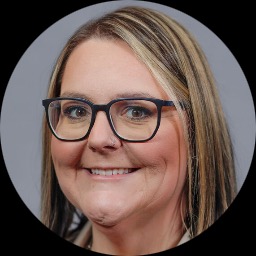
Priscilla Diggins is a LICSW (Licensed Independent Clinical Social Worker) practicing in Minnesota with six years of clinical experience. She works with people facing depression, anxiety, stress, trauma and mood disorders. She also supports LGBT clients and those healing from sexual assault, domestic violence, and other abuse.
Priscilla helps people untangle communication problems and attachment issues. She addresses social anxiety, isolation, self-harm behaviors, dissociation, and personality-related patterns. She also sees young adults dealing with identity questions, including gender dysphoria and autism spectrum experiences.
Background and approach
Her stated approach is trauma-informed and client-centered. Sessions focus on practical steps to change patterns and improve relationships. Conversations often include learning ways to manage intense emotions and reduce day-to-day stress.
Priscilla uses evidence-based therapeutic techniques to work through complex concerns like co-occurring conditions and disruptive mood patterns. She pays attention to how early relationships affect current behavior and supports people in building new interaction habits. She notes that therapy involves collaboration - setting goals, tracking progress, and adjusting methods when needed.
People can expect straightforward conversation, targeted strategies, and follow-up between sessions when appropriate. Priscilla practices in Minnesota and offers services in English.
Therapeutic approaches and online sessions
Priscilla works from evidence-based therapeutic techniques that focus on trauma and mood regulation. Trauma-focused methods help people process painful experiences, reduce symptoms tied to past abuse, and learn ways to tolerate difficult memories. Techniques aimed at mood regulation teach concrete skills for managing intense emotions, reducing impulsivity, and stabilizing daily routine and sleep patterns.She also uses approaches that address attachment and relational patterns. These methods look at how past relationships shape current reactions and help people try new ways of communicating and relating to others. Both types of work are practical and goal oriented, with an emphasis on small, measurable changes.
Finding the right approach is part of the work. The therapist will collaborate with each person to identify goals, test methods that fit those goals, and adjust the plan over time. That process involves discussion about what feels most useful and regular check-ins to see what is helping.
Confirm the exact session formats before booking, as the biography lists online therapy but does not specify formats. Online sessions can make it easier to fit therapy into a busy week, shorten travel time, and allow quick check-ins between appointments. They can also offer options like audio-only conversations when bandwidth or camera use is an issue. Ask about the available session types when you schedule.
Frequently asked questions
What concerns does she most often address?
What is her therapeutic style?
How many years has she been practicing?
Where is she licensed and based?
Which languages are sessions offered in?
Can international clients work with her?
How does pricing work?
How do I begin working with her?
Specialties and expertise
Top specialties
Also works with
- Abandonment
- Antisocial personality
- Attachment issues
- Autism and Asperger Syndrome
- Avoidant personality
- Bipolar disorder
- Co-morbidity
- Codependency
- Communication problems
- Control issues
- Dependent personality
- Depression
- Disruptive Mood Dysregulation Disorder (DMDD)
- Dissociation
- Domestic violence
- Gender dysphoria
- Impulsivity
- Isolation / loneliness
- Jealousy
- Mood disorders
- Personality disorders
- Post-traumatic stress
- Seasonal Affective Disorder (SAD)
- Self-harm
- Sexual assault and abuse
- Social anxiety and phobia
- Young adult issues
- Experience
- 6 years
- Licensed
- Minnesota
- Languages
- English