
Sasha McCraw, LPC
Georgia · 8 yrs exp
Topics: Stress, Anxiety / Relationship / Grief +6
Methods: Client-Centered Therapy / Cognitive Behavioral Therapy (CBT)
View ProfileTherapist listings come from BetterHelp, and we will earn a commission if you use our link - at no cost to you.
Welcome to our directory of online therapists serving Georgia. All therapists listed here are licensed in Georgia. Explore profiles to learn about credentials, approaches, languages, and focus areas to find a good fit for your needs.
Georgia · 8 yrs exp
Topics: Stress, Anxiety / Relationship / Grief +6
Methods: Client-Centered Therapy / Cognitive Behavioral Therapy (CBT)
View Profile
Georgia · 20 yrs exp
Topics: Stress, Anxiety / Addictions / Anger +11
Methods: Client-Centered Therapy / Cognitive Behavioral Therapy (CBT)
View Profile
Georgia · 12 yrs exp
Topics: Stress, Anxiety / Addictions / Trauma and abuse +2
View Profile
Georgia · 3 yrs exp
Topics: Stress, Anxiety / Self esteem / Career +2
Methods: Client-Centered Therapy / Mindfulness Therapy
View Profile
Georgia · 11 yrs exp
Topics: Addictions / Relationship / Trauma and abuse +2
Methods: Cognitive Behavioral Therapy (CBT)
View Profile
Georgia · 10 yrs exp
Topics: Stress, Anxiety / Addictions / Family +2
View Profile
Georgia · 12 yrs exp
Topics: LGBT / Relationship / Bipolar +7
Methods: Acceptance and Commitment Therapy (ACT) / Client-Centered Therapy
View Profile
Georgia · 10 yrs exp
Topics: Stress, Anxiety / Family / Trauma and abuse +12
Methods: Attachment-Based Therapy / Client-Centered Therapy
View Profile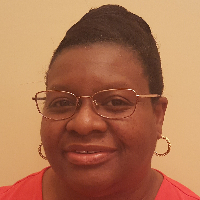
Georgia · 7 yrs exp
Topics: Stress, Anxiety / Self esteem / Compassion fatigue
Methods: Acceptance and Commitment Therapy (ACT) / Client-Centered Therapy
View Profile
Georgia · 8 yrs exp
Topics: Stress, Anxiety / Trauma and abuse / Self esteem +9
Methods: Acceptance and Commitment Therapy (ACT) / Client-Centered Therapy
View Profile
Georgia · 14 yrs exp
Topics: Stress, Anxiety / Relationship / Trauma and abuse +10
Methods: Cognitive Behavioral Therapy (CBT) / Dialectical Behavior Therapy (DBT)
View Profile
Georgia · 15 yrs exp
Topics: Stress, Anxiety / Trauma and abuse / Grief +2
View Profile
Georgia · 3 yrs exp
Topics: Stress, Anxiety / Anger / Self esteem +11
Methods: Client-Centered Therapy / Cognitive Behavioral Therapy (CBT)
View Profile
Georgia · 3 yrs exp
Topics: Stress, Anxiety / Relationship / Family +9
Methods: Cognitive Behavioral Therapy (CBT) / Dialectical Behavior Therapy (DBT)
View Profile
Georgia · 10 yrs exp
Topics: Stress, Anxiety / Relationship / Anger +2
View Profile
Georgia · 10 yrs exp
Topics: Relationship / Anger / Career +10
Methods: Client-Centered Therapy / Cognitive Behavioral Therapy (CBT)
View Profile
Georgia · 17 yrs exp
Topics: Stress, Anxiety / Grief / Bipolar +10
Methods: Acceptance and Commitment Therapy (ACT) / Attachment-Based Therapy
View Profile
Georgia · 14 yrs exp
Topics: Self esteem / Depression / Relationship +2
Methods: Client-Centered Therapy / Cognitive Behavioral Therapy (CBT)
View Profile
Georgia · 8 yrs exp
Topics: Stress, Anxiety / Addictions / Trauma and abuse +5
Methods: Acceptance and Commitment Therapy (ACT) / Attachment-Based Therapy
View Profile
Georgia · 23 yrs exp
Topics: Stress, Anxiety / Grief / Anger +2
View Profile
Georgia · 35 yrs exp
Topics: Stress, Anxiety / Addictions / Relationship +2
Methods: Cognitive Behavioral Therapy (CBT) / Imago Relationship Therapy
View Profile
Georgia · 10 yrs exp
Topics: Stress, Anxiety / Family / Self esteem +2
Methods: Client-Centered Therapy / Cognitive Behavioral Therapy (CBT)
View Profile
Georgia · 12 yrs exp
Topics: Stress, Anxiety / Relationship / Family +2
Methods: Acceptance and Commitment Therapy (ACT) / Attachment-Based Therapy
View Profile
Georgia · 30 yrs exp
Topics: Addictions / Relationship / Trauma and abuse +2
Methods: Acceptance and Commitment Therapy (ACT) / Attachment-Based Therapy
View Profile
Georgia · 13 yrs exp
Topics: Stress, Anxiety / Self esteem / Career +2
View Profile
Georgia · 5 yrs exp
Topics: Stress, Anxiety / Self esteem / Depression +1
Methods: Acceptance and Commitment Therapy (ACT) / Client-Centered Therapy
View Profile
Georgia · 7 yrs exp
Topics: Stress, Anxiety / Addictions / Relationship +2
View Profile
Georgia · 4 yrs exp
Topics: Stress, Anxiety / Family / Self esteem +2
View Profile
Georgia · 5 yrs exp
Topics: Stress, Anxiety / Relationship / Trauma and abuse +2
View Profile
Georgia · 14 yrs exp
Topics: Stress, Anxiety / Addictions / Relationship +2
Methods: Acceptance and Commitment Therapy (ACT) / Client-Centered Therapy
View Profile
Georgia · 9 yrs exp
Topics: Stress, Anxiety / Relationship / Trauma and abuse +2
View Profile
Georgia · 23 yrs exp
Topics: Stress, Anxiety / LGBT / Grief +2
View Profile
Georgia · 12 yrs exp
Topics: Stress, Anxiety / Trauma and abuse / Grief +2
View Profile
Georgia · 5 yrs exp
Topics: Stress, Anxiety / Relationship / Family +2
View Profile
Georgia · 7 yrs exp
Topics: Stress, Anxiety / Relationship / Family +2
View Profile
Georgia · 5 yrs exp
Topics: Stress, Anxiety / Trauma and abuse / Anger +2
View Profile
Georgia · 4 yrs exp
Topics: Stress, Anxiety / Family / Self esteem +2
View Profile
Georgia · 6 yrs exp
Topics: Stress, Anxiety / Relationship / Family +2
View Profile
Georgia · 5 yrs exp
Topics: Stress, Anxiety / Relationship / Self esteem +2
View Profile
Georgia · 16 yrs exp
Topics: Stress, Anxiety / Addictions / Trauma and abuse +2
View Profile
Georgia · 10 yrs exp
Topics: Stress, Anxiety / Addictions / Relationship +2
View Profile
Georgia · 6 yrs exp · 2 languages
Topics: Stress, Anxiety / Family / Parenting +2
View Profile
Georgia · 13 yrs exp
Topics: Stress, Anxiety / Relationship / Family +2
View Profile
Georgia · 3 yrs exp
Topics: Stress, Anxiety / Addictions / Relationship +2
View Profile
Georgia · 20 yrs exp
Topics: Stress, Anxiety / Relationship / Trauma and abuse +2
View Profile
Georgia · 4 yrs exp
Topics: Stress, Anxiety / Relationship / Trauma and abuse +2
View Profile
Georgia · 15 yrs exp
Topics: Stress, Anxiety / Addictions / Family +2
View Profile
Georgia · 35 yrs exp
Topics: Stress, Anxiety / Self esteem / Depression +2
View Profile
Georgia · 8 yrs exp
Topics: Stress, Anxiety / Addictions / Relationship +2
View Profile
Georgia · 30 yrs exp
Topics: Stress, Anxiety / Grief / Depression +4
Methods: Cognitive Behavioral Therapy (CBT) / Solution-Focused Therapy
View Profile
Georgia · 7 yrs exp
Topics: Stress, Anxiety / Self esteem / Career +8
View Profile
Georgia · 6 yrs exp · 2 languages
Topics: Stress, Anxiety / Relationship / Family +5
Methods: Client-Centered Therapy / Cognitive Behavioral Therapy (CBT)
View Profile
Georgia · 25 yrs exp
Topics: Stress, Anxiety / Self esteem / Depression +10
Methods: Acceptance and Commitment Therapy (ACT) / Client-Centered Therapy
View Profile
Georgia · 11 yrs exp
Topics: Stress, Anxiety / Relationship / Grief +8
Methods: Existential Therapy / Hypnotherapy
View Profile
Georgia · 16 yrs exp
Topics: Stress, Anxiety / Addictions / Anger +9
Methods: Client-Centered Therapy / Cognitive Behavioral Therapy (CBT)
View Profile
Georgia · 10 yrs exp
Topics: Stress, Anxiety / Self esteem / Depression +4
Methods: Client-Centered Therapy / Motivational Interviewing
View Profile
Georgia · 14 yrs exp
Topics: Stress, Anxiety / Anger / Self esteem +12
Methods: Acceptance and Commitment Therapy (ACT) / Attachment-Based Therapy
View Profile
Georgia · 16 yrs exp
Topics: Stress, Anxiety / Addictions / Trauma and abuse +7
Methods: Client-Centered Therapy / Eye Movement Desensitization and Reprocessing (EMDR)
View Profile
Georgia · 12 yrs exp
Topics: Relationship / Family / Anger +10
Methods: Client-Centered Therapy / Cognitive Behavioral Therapy (CBT)
View Profile
Georgia · 10 yrs exp
Topics: Stress, Anxiety / Trauma and abuse / Anger +8
Methods: Client-Centered Therapy / Cognitive Behavioral Therapy (CBT)
View ProfileOnline therapy has become an established option for people across Georgia who are looking for mental health support without traveling to an office. In recent years, many clinicians have added virtual sessions to their practice and list teletherapy among their service formats. If you live in a city like Atlanta, Savannah, or Macon, or in a smaller town, you can often find therapists who provide counseling via video, phone, or messaging platforms. Because licensing is handled at the state level, most profiles indicate whether a clinician is licensed to provide care to residents of Georgia. That helps you identify practitioners who are legally authorized to offer therapy in the state.
When you search, you will see a range of credentials listed on profiles, such as LPC, LCSW, LMSW, and LMFT. Those abbreviations describe the license type a clinician holds and can help you understand their professional background. Profiles commonly also list areas of focus and therapeutic approaches. Keep in mind that a therapist listing cognitive behavioral therapy, EMDR, or mindfulness among their approaches is describing what they use in practice rather than a statement about specific certifications. With teletherapy, the practical details of how sessions are conducted - whether by video, phone, or text-based messaging - are typically described in practitioner profiles so you can assess which format suits you.
You may find online therapy appealing because it removes some of the logistical barriers that can accompany in-person visits. If you live in a rural county or have limited transportation options, virtual sessions can reduce travel time and allow you to access clinicians whose offices are several towns away. Online therapy can also make it easier to fit counseling into a busy schedule, since you can connect from home, work during a break, or another convenient location. For families or caregivers, virtual sessions sometimes make scheduling easier when coordinating care for children or when balancing multiple responsibilities.
Beyond convenience, some people experience therapeutic benefits from being able to work with a clinician who shares their cultural background, language, or areas of specialty even if that clinician is not located nearby. You can search for therapists who list working with specific populations or who offer services in languages other than English. While online therapy is not appropriate for every situation, for many concerns it offers a practical, flexible way to begin or continue care. As you think about whether teletherapy is right for you, consider how comfortable you are with video technology, whether you have a quiet setting for sessions, and what goals you want to pursue.
Online therapists in Georgia work with a wide range of life challenges and mental health concerns. You will find clinicians who list experience addressing anxiety, depression, relationship difficulties, grief, parenting challenges, and stress related to work or school. Many therapists also indicate a focus on life transitions such as relocation, changes in family structure, or career shifts. For trauma-related concerns some profiles note that a clinician lists EMDR among their approaches; for mood and behavior concerns others list cognitive behavioral therapy or mindfulness-based approaches. Those listings describe therapeutic methods a clinician uses with clients.
Beyond individual counseling, some therapists list experience working with adolescents, young adults, older adults, couples, or families. You can also find therapists who highlight work with specific communities or identities, including racial, ethnic, sexual, and gender minorities. If you have a particular need - for example, support for parenting after divorce, coping with chronic illness, or navigating workplace stress - look for profiles that mention those focus areas. Reading clinician descriptions will help you learn how they frame their work and whether their stated specialties align with what you want to address.
Confirming licensure is an important step when choosing a therapist. Licensing ensures that a clinician has met state requirements to practice in a particular field, and the licensing board maintains public records you can consult. To verify a license in Georgia, start by using the state licensing board's online search tool or the professional licensing division that regulates counselors, social workers, and marriage and family therapists. Enter the clinician's full name or license number as listed on their profile to view the license type, status, and any public disciplinary history.
When you review a license record, check the license classification to understand the clinician's scope of practice. You can also note the expiration date of the license and whether there are any publicly disclosed actions. If the online record is unclear, the licensing board's office usually provides contact information so you can request clarification. Remember that a profile listing a credential does not replace a state verification; using the official license search helps you confirm that the license is active and recognized in Georgia. If you plan to receive teletherapy, it is also reasonable to confirm that the clinician is licensed to provide services to residents of Georgia.
Starting therapy online is a process that begins with clarifying what you want from counseling. Think about the issues you want to address, the type of support that feels most helpful, and any preferences you have for session format and style. As you review profiles, pay attention to how clinicians describe their approach, the populations they work with, and any languages they offer. Many profiles also note practical details like session length and how they structure work with clients. Gathering that information in advance will make it easier to narrow your options.
When choosing among therapists, focus on fit rather than credentials alone. Credentials tell you about a clinician's licensure, which is important, but fit is about how comfortable you feel with their style, approach, and areas of emphasis. You might prefer a therapist who highlights collaborative goal-setting, or one who lists trauma-informed approaches. It can be helpful to prioritize a few core criteria - such as language, area of specialty, or therapeutic approach - and use those to guide your review of profiles. If a clinician lists payment options or insurance information on their profile, that can help you plan for cost considerations.
Before a session, choose a quiet, comfortable environment where you can speak openly and without interruptions. Test your internet connection and device ahead of time so you can focus on the conversation rather than technical issues. If you are concerned about privacy at home, consider using headphones and closing doors to minimize background noise. It is also wise to have a plan for handling difficult emotions or emergencies in your local area, since virtual clinicians will not be physically present. Discuss with a prospective therapist how they handle risk management and what steps they recommend if you need immediate in-person help.
Finally, remember that the therapeutic relationship often develops over several sessions. You are entitled to change course if a particular clinician is not a good fit. Many people start with an introductory conversation to get a sense of a therapist's approach and whether it resonates. Trust your sense of how comfortable you feel discussing personal topics and whether the therapist listens and responds in ways that feel helpful. Using the directory to compare credentials, approaches, languages, and focus areas can help you find clinicians whose profiles align with your needs so you can begin a productive therapeutic process.
Exploring online therapy options in Georgia gives you access to a broad range of clinicians and specialties without geographic constraints. By verifying licensure, reflecting on your priorities, and preparing for the practical aspects of virtual care, you can make an informed choice about a therapist who fits your needs. Use the profiles on this site as a starting point to learn more about practitioners who list the approaches and focus areas that matter most to you and to take the next step toward support.
Addictions
3175 therapists
ADHD
2513 therapists
Anger
4030 therapists
Bipolar
2017 therapists
Control Issues
3704 therapists
Depression
9438 therapists
Grief
5209 therapists
Guilt and Shame
6799 therapists
Impulsivity
3037 therapists
Isolation / Loneliness
6277 therapists
Midlife Crisis
2502 therapists
Mood Disorders
4495 therapists
Panic Disorder and Panic Attacks
4088 therapists
Post-Traumatic Stress
5292 therapists
Self Esteem
8971 therapists
Self-Harm
2061 therapists
Social Anxiety and Phobia
5950 therapists
Stress & Anxiety
11337 therapists
Trauma and Abuse
6921 therapists
Abandonment
3465 therapists
Attachment Issues
4370 therapists
Blended Family Issues
1883 therapists
Body Image
2629 therapists
Career
2890 therapists
Caregiver Issues and Stress
3776 therapists
Codependency
2379 therapists
Communication Problems
7884 therapists
Compassion Fatigue
2360 therapists
Coping with Life Changes
7524 therapists
Divorce
3962 therapists
Family
5003 therapists
Forgiveness
5914 therapists
Life Purpose
7026 therapists
Parenting
3713 therapists
Relationship
7163 therapists
Self-Love
7491 therapists
Workplace Issues
4216 therapists