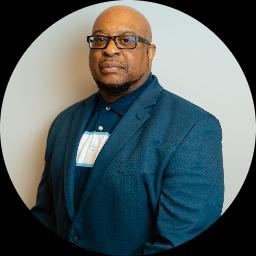
- Credentials
- LPC, LCPC
- License
- LPC, Georgia / LPC016540; LCPC, Illinois / 180006114
- NPI
- 1982268017
About Michael
Michael Wilson is a Licensed Professional Counselor (LPC) with 10 years of experience and an additional Illinois Licensed Clinical Professional Counselor (LCPC) credential. He is based in Georgia and has a background as a retired military veteran. Michael lists stress, anxiety, relationship concerns, anger, self-esteem, and depression among his primary areas of work.
He draws on his military service and later civil service work with the Illinois Department of Rehabilitation Services to inform his approach.
Background and approach
That experience shaped how he talks with people who are struggling with motivation, confidence, or the effects of military life. He also notes a focus on communication problems, isolation and loneliness, life purpose, veteran and armed forces issues, and self-love. Sessions concentrate on practical conversation and concrete steps.
Michael works with clients to identify what feels most urgent, then outlines small actions and ways to track progress. He uses straightforward language and aims to address thinking patterns, behaviors, and relationship habits that contribute to distress. He offers help for emotional reactions like anger and persistent worry, and for rebuilding a sense of confidence after setbacks.
Michael encourages people to bring specific examples from daily life so sessions can drill down on what is happening in real situations. He also discusses how goals can be adjusted as work progresses. For people comparing options, he presents a clinician who combines military and state service experience with a focus on practical problem solving.
To confirm current session formats and scheduling details, the reader should follow the site’s booking prompts before arranging a first appointment.
Therapeutic approaches and how online sessions work
Michael describes his practice as grounded in evidence-based therapeutic techniques that focus on thinking patterns and behavior. One common approach is working directly on thought patterns that feed anxiety and depression by helping people notice unhelpful thoughts and test alternatives. This helps with persistent worry, low mood, and negative self-talk.Another practical technique he uses targets behavior and routine. That means identifying small, manageable actions to change daily habits, reduce anger flare-ups, improve communication, or build confidence. These steps are tracked and adjusted over time to measure progress.
Choosing the right approach is part of the work. He will collaborate with each person to decide which methods fit their goals and preferences, and adjust plans as needed based on what helps most.
Because this profile lists online therapy, confirm the exact session formats when you book. Online sessions can make it easier to fit appointments around work or family commitments, allow shorter check-ins when needed, and remove travel time. Ask about the available session types before scheduling so you know how a visit will fit into your day.
Frequently asked questions
What concerns does he work with most?
How would you describe his therapeutic style?
How much clinical experience does he have?
What credentials and location are listed?
Which languages are supported and can he work internationally?
What session formats are offered?
How are sessions paid for and what does it cost?
How do I start a first session?
Specialties and expertise
Top specialties
- Stress, Anxiety
- Relationship issues
- Anger management
Also works with
- Communication problems
- Depression
- Isolation / loneliness
- Life purpose
- Self esteem
- Self-love
- Veteran and Armed Forces Issues
- Experience
- 10 years
- Licensed
- Georgia, Illinois
- Languages
- English