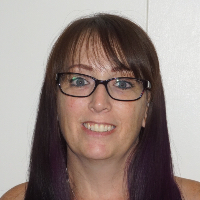
Alicia Stone, LMFT
California · 23 yrs exp
Topics: Stress, Anxiety / LGBT / Relationship +6
View ProfileTherapist listings come from BetterHelp, and we will earn a commission if you use our link - at no cost to you.
Welcome to the California online therapist directory. All therapists listed here hold California licenses; browse profiles to compare approaches, languages, credentials, and focus areas that match your needs.
California · 23 yrs exp
Topics: Stress, Anxiety / LGBT / Relationship +6
View Profile
California · 10 yrs exp
Topics: Stress, Anxiety / Family / Parenting +6
Methods: Attachment-Based Therapy / Client-Centered Therapy
View Profile
California · 8 yrs exp
Topics: Stress, Anxiety / Addictions / Trauma and abuse +12
Methods: Attachment-Based Therapy / Client-Centered Therapy
View Profile
California · 26 yrs exp
Topics: Stress, Anxiety / Relationship / Trauma and abuse +2
View Profile
California · 13 yrs exp
Topics: Stress, Anxiety / Addictions / Trauma and abuse +2
View Profile
California · 25 yrs exp
Topics: Relationship / Grief / Self esteem +2
Methods: Client-Centered Therapy / Motivational Interviewing
View Profile
California · 12 yrs exp · 2 languages
Topics: Stress, Anxiety / Trauma and abuse / Grief +13
Methods: Client-Centered Therapy / Cognitive Behavioral Therapy (CBT)
View Profile
California · 16 yrs exp · 2 languages
Topics: Self esteem / Coping with life changes / Relationship +3
Methods: Client-Centered Therapy
View Profile
California · 8 yrs exp
Topics: Stress, Anxiety / Trauma and abuse / Grief +7
Methods: Client-Centered Therapy / Cognitive Behavioral Therapy (CBT)
View Profile
California · 8 yrs exp
Topics: Stress, Anxiety / Relationship / Self esteem +10
Methods: Client-Centered Therapy / Cognitive Behavioral Therapy (CBT)
View Profile
California · 26 yrs exp
Topics: Stress, Anxiety / Trauma and abuse / Grief +2
View Profile
California · 10 yrs exp
Topics: Stress, Anxiety / Relationship / Family +2
View Profile
California · 21 yrs exp
Topics: Stress, Anxiety / Addictions / Relationship +2
View Profile
California · 25 yrs exp
Topics: Stress, Anxiety / Trauma and abuse / Grief +2
Methods: Solution-Focused Therapy
View Profile
California · 32 yrs exp
Topics: Stress, Anxiety / Relationship / Family +2
Methods: Client-Centered Therapy / Cognitive Behavioral Therapy (CBT)
View Profile
California · 33 yrs exp · 2 languages
Topics: Stress, Anxiety / Relationship / Trauma and abuse +2
Methods: Client-Centered Therapy / Cognitive Behavioral Therapy (CBT)
View Profile
California · 38 yrs exp
Topics: Stress, Anxiety / Relationship / Family +8
Methods: Cognitive Behavioral Therapy (CBT) / Existential Therapy
View Profile
California · 10 yrs exp · 2 languages
Topics: Stress, Anxiety / Relationship / Trauma and abuse +2
View Profile
California · 40 yrs exp
Topics: Trauma and abuse / Depression / Coaching
View Profile
California · 26 yrs exp
Topics: Addictions / Self esteem / Bipolar +2
View Profile
California · 24 yrs exp
Topics: Stress, Anxiety / Family / Parenting +2
Methods: Cognitive Behavioral Therapy (CBT) / Psychodynamic Therapy
View Profile
California · 14 yrs exp
Topics: Stress, Anxiety / Relationship / Parenting +2
View Profile
California · 40 yrs exp
Topics: Stress, Anxiety / Grief / Self esteem +2
View Profile
California · 4 yrs exp
Topics: Stress, Anxiety / Eating / Self esteem +2
Methods: Client-Centered Therapy / Cognitive Behavioral Therapy (CBT)
View Profile
California · 10 yrs exp
Topics: Stress, Anxiety / Addictions / Trauma and abuse +2
View Profile
California · 5 yrs exp
Topics: Stress, Anxiety / Trauma and abuse / Parenting +2
View Profile
California · 10 yrs exp
Topics: Stress, Anxiety / Relationship / Grief +2
View Profile
California · 13 yrs exp
Topics: Relationship / Parenting / Self esteem +2
View Profile
California · 7 yrs exp
Topics: Stress, Anxiety / Addictions / Trauma and abuse +2
Methods: Client-Centered Therapy / Narrative Therapy
View Profile
California · 28 yrs exp
Topics: Stress, Anxiety / Anger / Self esteem +1
View Profile
California · 7 yrs exp
Topics: Stress, Anxiety / Grief / Career +2
View Profile
California · 10 yrs exp
Topics: Stress, Anxiety / Relationship / Family +2
View Profile
California · 16 yrs exp
Topics: Stress, Anxiety / Relationship / Anger +2
View Profile
California · 8 yrs exp
Topics: Stress, Anxiety / Self esteem / Bipolar +2
View Profile
California · 7 yrs exp
Topics: Relationship / Family / Self esteem +2
View Profile
California · 8 yrs exp · 2 languages
Topics: Stress, Anxiety / Relationship / Family +2
View Profile
California · 8 yrs exp
Topics: Stress, Anxiety / Relationship / Trauma and abuse +2
Methods: Client-Centered Therapy / Cognitive Behavioral Therapy (CBT)
View Profile
California · 40 yrs exp
Topics: Relationship / Family / Self esteem +2
View Profile
California · 9 yrs exp · 2 languages
Topics: Stress, Anxiety / Relationship / Self esteem +2
View Profile
California · 8 yrs exp
Topics: Stress, Anxiety / Relationship / Trauma and abuse +2
View Profile
California · 10 yrs exp
Topics: Stress, Anxiety / Relationship / Grief +2
View Profile
California · 8 yrs exp
Topics: Stress, Anxiety / Addictions / Relationship +2
View Profile
California · 3 yrs exp
Topics: Stress, Anxiety / Relationship / Trauma and abuse +2
View Profile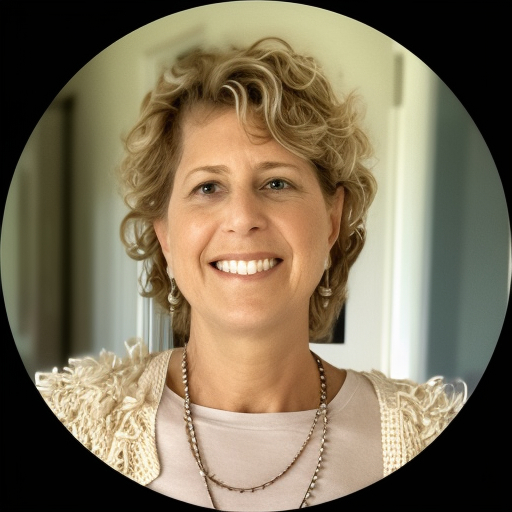
California · 36 yrs exp
Topics: Stress, Anxiety / Sleeping / Self esteem +2
View Profile
California · 19 yrs exp
Topics: Stress, Anxiety / Relationship / Trauma and abuse +2
View Profile
California · 15 yrs exp
Topics: Stress, Anxiety / Trauma and abuse / Depression +1
View Profile
California · 9 yrs exp
Topics: Stress, Anxiety / Relationship / Trauma and abuse +2
View Profile
California · 11 yrs exp
Topics: Stress, Anxiety / Self esteem / Bipolar +1
View Profile
California · 5 yrs exp · 2 languages
Topics: Grief / Self esteem / Career +1
View Profile
California · 7 yrs exp · 2 languages
Topics: Stress, Anxiety / Relationship / Trauma and abuse +2
View Profile
California · 10 yrs exp · 2 languages
Topics: Stress, Anxiety / Trauma and abuse / Grief +2
View Profile
California · 10 yrs exp
Topics: Stress, Anxiety / Relationship / Family +2
View Profile
California · 5 yrs exp
Topics: Relationship / Family / Self esteem +2
View Profile
California · 6 yrs exp
Topics: Stress, Anxiety / Relationship / Self esteem +13
Methods: Cognitive Behavioral Therapy (CBT) / Motivational Interviewing
View Profile
California · 25 yrs exp
Topics: Stress, Anxiety / Self esteem / Depression
Methods: Acceptance and Commitment Therapy (ACT) / Client-Centered Therapy
View Profile
California · 20 yrs exp · 2 languages
Topics: Family / Self esteem
View Profile
California · 17 yrs exp
Topics: Family / Grief / Sleeping +2
View Profile
California · 15 yrs exp · 3 languages
Topics: Stress, Anxiety / Relationship / Trauma and abuse +2
View Profile
California · 5 yrs exp
Topics: Stress, Anxiety / Trauma and abuse / Self esteem +2
View Profile
California · 29 yrs exp
Topics: Stress, Anxiety / LGBT / Relationship +2
View ProfileOver the past decade, online therapy has become a widely used way to receive mental health support across California. You can connect with counselors and mental health professionals from cities along the coast to inland communities and rural regions. California licensure rules influence how and when a therapist can provide care to a resident of the state, so practitioners who work with California residents typically hold a California license. Services are offered through video chat, telephone, and sometimes text-based messaging, and many clinicians describe which formats they use within their profiles so you can choose the interaction style that fits your routine.
Because online care crosses physical distances, it has prompted clearer expectations about boundaries, consent, and professional responsibilities. When you search for a therapist, you will encounter a range of professional backgrounds - psychologists, marriage and family therapists, clinical social workers, and professional clinical counselors - each licensed under California boards or regulatory bodies. Profiles often list the clinical concerns practitioners focus on and the therapeutic approaches they use; these listings indicate what a therapist reports using rather than an official certification in any single modality.
Online therapy can make it easier to fit regular sessions into a busy lifestyle. If you live in a region with fewer in-person options, virtual sessions broaden the pool of clinicians you can consider. For people balancing work, family, or school, connecting from home or another convenient setting reduces commute time and logistical barriers. You may find that remote sessions allow a stronger continuity of care when you travel within the state or need flexibility due to changing schedules.
Online formats can also expand access to clinicians who speak your language or whose cultural background aligns with your preferences. When you review profiles, look for language fluency and cultural areas of focus that may be meaningful to you. The therapeutic relationship often matters more than a particular label, so being able to find someone whose approach and lived experience resonate with you can support progress. Keep in mind that different formats suit different people - some clients prefer video sessions that mimic an in-person meeting, while others find phone sessions or messaging to be more comfortable. Consider which communication style helps you feel most at ease and engaged.
Online therapists in California address a wide range of life challenges and mental health concerns. Many profiles indicate a focus on areas such as anxiety, depression, relationship struggles, grief and loss, stress management, life transitions, and parenting or family issues. Some therapists list experience working with trauma, addiction recovery, or chronic illness-related stress; when you see an approach listed like EMDR or trauma-informed care, interpret that as a therapy approach the clinician uses rather than a statement of formal certification. Therapists also often note specializations in helping adolescents, young adults, older adults, or couples, and you can use those focus areas to find someone familiar with the developmental stage or relational context that matters to you.
Because clinical practice is individualized, how therapists help will vary. Some clinicians emphasize skill-building and problem-solving strategies, while others center on exploring emotions and relational patterns. Many combine techniques and adapt them to each client, and profiles typically describe the kinds of goals a therapist helps clients pursue. If you have a specific concern, search for clinicians who list that issue among their focus areas and read their descriptions to get a sense of their perspective and typical work with clients who bring similar concerns.
When you want to confirm a clinician's license, check the issuing agency for the license type and current status. In California, different license types include licensed psychologists, marriage and family therapists, clinical social workers, and professional clinical counselors. A therapist profile often lists a license number and the licensing board; you can use that information on the state's licensing website to confirm that the license is active and to view any public disciplinary information. License records will typically show the license type, expiration date, and whether any formal actions have been recorded.
To verify a license, go to the relevant California board's online search or verification portal and enter the clinician's name or license number. Look for the license status, the license issue and expiration dates, and any notations about restrictions or disciplinary actions. If you have questions about what you find, the licensing board's contact information is available for further inquiry. Verifying licensing provides a factual basis for understanding a clinician's professional standing and helps you make an informed choice about who to contact for care.
Begin by clarifying what you want from therapy and what practical considerations matter to you. Think about the issues you want to address, the communication format you prefer - video, phone, or messaging - and whether language, cultural background, or specific clinical focus are important. Use therapist profiles to narrow your search by these factors. Profiles typically describe the therapist's approach, areas of emphasis, education, and the populations they work with. As you read, note therapists who describe ways of working that feel aligned with your goals.
Once you identify a few profiles that appeal to you, reach out to ask practical questions about session length, fee structure, and whether they accept insurance or offer alternative payment options. You can also ask about the typical course of work for someone with your concerns and whether the therapist has experience working with similar issues. An initial conversation or consultation helps you get a sense of their communication style and whether you feel understood. Throughout this process, focus on comparing approaches, credentials, languages, and experience so you can choose a clinician who matches what you need.
Choosing a therapist is a personal decision and often involves assessing both practical fit and interpersonal connection. Look beyond labels and read how a clinician describes their approach and the populations they work with. Consider whether their stated focus areas align with your main concerns and whether their language and cultural framing feel comfortable. Pay attention to educational background and licensure type, as different training paths emphasize different theoretical frameworks and clinical emphases. When a therapist lists particular approaches among their methods, remember that this indicates what they use in practice rather than an external credential.
Ask questions that help you gauge fit before committing to ongoing sessions. You might ask how they typically structure sessions, what a few initial goals would look like, and how they measure progress. Inquire about practical matters that affect your experience - session length, cancellation policies, modes of communication, and fee arrangements. Also ask what technology they use for online sessions and whether sessions are conducted with encrypted connections. Finally, trust your instincts about rapport; feeling heard and understood from the start often predicts whether you will be able to work effectively with a therapist. If the first clinician you try does not feel like the right match, it's okay to explore other profiles until you find someone who meets both your practical needs and relational preferences.
Searching for online therapy in California can feel overwhelming at first, but taking a stepwise approach - clarifying priorities, verifying licensure, and assessing fit through questions and conversations - helps you move toward a therapeutic relationship that supports your goals. Use the directory to narrow choices based on approach, language, and experience, and reach out to clinicians whose profiles resonate with what you are looking for in an online counselor.
Addictions
3175 therapists
ADHD
2513 therapists
Anger
4030 therapists
Bipolar
2017 therapists
Control Issues
3704 therapists
Depression
9438 therapists
Grief
5209 therapists
Guilt and Shame
6799 therapists
Impulsivity
3037 therapists
Isolation / Loneliness
6277 therapists
Midlife Crisis
2502 therapists
Mood Disorders
4495 therapists
Panic Disorder and Panic Attacks
4088 therapists
Post-Traumatic Stress
5292 therapists
Self Esteem
8971 therapists
Self-Harm
2061 therapists
Social Anxiety and Phobia
5950 therapists
Stress & Anxiety
11337 therapists
Trauma and Abuse
6921 therapists
Abandonment
3465 therapists
Attachment Issues
4370 therapists
Blended Family Issues
1883 therapists
Body Image
2629 therapists
Career
2890 therapists
Caregiver Issues and Stress
3776 therapists
Codependency
2379 therapists
Communication Problems
7884 therapists
Compassion Fatigue
2360 therapists
Coping with Life Changes
7524 therapists
Divorce
3962 therapists
Family
5003 therapists
Forgiveness
5914 therapists
Life Purpose
7026 therapists
Parenting
3713 therapists
Relationship
7163 therapists
Self-Love
7491 therapists
Workplace Issues
4216 therapists