
Rosa White, LPC, LMHC
Alaska · 5 yrs exp
Topics: Stress, Anxiety / Addictions / Trauma and abuse +2
View ProfileTherapist listings come from BetterHelp, and we will earn a commission if you use our link - at no cost to you.
Welcome to our directory of online therapists serving Alaska. All therapists listed on this page hold licenses to practice in Alaska; explore profiles to learn about their approaches, credentials, languages and areas of focus.
Alaska · 5 yrs exp
Topics: Stress, Anxiety / Addictions / Trauma and abuse +2
View Profile
Alaska · 20 yrs exp
Topics: Stress, Anxiety / Trauma and abuse / Self esteem +2
Methods: Client-Centered Therapy / Cognitive Behavioral Therapy (CBT)
View Profile
Alaska · 8 yrs exp
Topics: Addictions / Trauma and abuse / Anger +2
View Profile
Alaska · 26 yrs exp
Topics: Stress, Anxiety
View Profile
Alaska · 24 yrs exp · 2 languages
Topics: Stress, Anxiety / Addictions / Trauma and abuse +11
Methods: Client-Centered Therapy / Cognitive Behavioral Therapy (CBT)
View Profile
Alaska · 30 yrs exp
Topics: Stress, Anxiety / Addictions / Relationship +11
Methods: Client-Centered Therapy / Cognitive Behavioral Therapy (CBT)
View Profile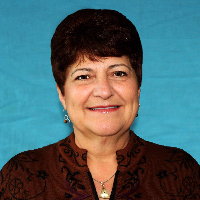
Alaska · 11 yrs exp
Topics: Stress, Anxiety / Relationship / Family +10
Methods: Client-Centered Therapy / Cognitive Behavioral Therapy (CBT)
View Profile
Alaska · 9 yrs exp
Topics: Stress, Anxiety / Relationship / Family +6
Methods: Acceptance and Commitment Therapy (ACT) / Client-Centered Therapy
View Profile
Alaska · 4 yrs exp
Topics: Stress, Anxiety / Trauma and abuse / Self esteem +11
Methods: Attachment-Based Therapy / Client-Centered Therapy
View Profile
Alaska · 25 yrs exp
Topics: Stress, Anxiety / Relationship / Trauma and abuse +6
Methods: Cognitive Behavioral Therapy (CBT) / Mindfulness Therapy
View Profile
Alaska · 35 yrs exp
Topics: Stress, Anxiety / Addictions / Trauma and abuse +10
Methods: Client-Centered Therapy / Cognitive Behavioral Therapy (CBT)
View Profile
Alaska · 10 yrs exp
Topics: Addictions / Trauma and abuse / Self esteem +2
View Profile
Alaska · 5 yrs exp
Topics: Stress, Anxiety / Addictions / Anger +10
Methods: Client-Centered Therapy / Dialectical Behavior Therapy (DBT)
View Profile
Alaska · 7 yrs exp
Topics: Addictions / Relationship / Trauma and abuse +2
View Profile
Alaska · 20 yrs exp
Topics: Stress, Anxiety / Grief / Depression +2
Methods: Client-Centered Therapy / Motivational Interviewing
View Profile
Alaska · 5 yrs exp
Topics: Stress, Anxiety / Relationship / Family +2
View Profile
Alaska · 7 yrs exp
Topics: Stress, Anxiety / Addictions / Relationship +2
View Profile
Alaska · 10 yrs exp
Topics: Stress, Anxiety / Grief / Parenting +2
View Profile
Alaska · 15 yrs exp · 2 languages
Topics: Stress, Anxiety / Addictions / Trauma and abuse +6
View Profile
Alaska · 15 yrs exp
Topics: Relationship / Family / Trauma and abuse +2
View Profile
Alaska · 4 yrs exp
Topics: Stress, Anxiety / Relationship / Trauma and abuse +11
Methods: Client-Centered Therapy / Cognitive Behavioral Therapy (CBT)
View Profile
Alaska · 35 yrs exp
Topics: Stress, Anxiety / Grief / Self esteem +2
View ProfileIn recent years, online therapy has become a common way for people across Alaska to connect with licensed mental health professionals. Because Alaska includes many rural communities and long travel distances, virtual sessions can make it easier to reach therapists who list online or telehealth sessions among their services. When you look at profiles, you will often see a range of credentials and practice focuses, and many therapists note languages they speak and the populations they work with. Policies that govern practice can vary by state, so professionals who offer virtual care generally list their licensure and the locations in which they are authorized to practice. This page helps you understand what to expect when exploring online therapy options specifically for people located in Alaska.
For Alaska residents, online therapy is more than a convenience. It can be a practical solution for people in remote areas, seasonal workers, students, and families with limited transportation options. While not every clinician will work with every concern through a virtual format, many therapists describe how they adapt common counseling approaches to video or phone sessions. You will encounter a range of modalities noted by therapists - for example, cognitive behavioral approaches, trauma-informed work, mindfulness, or expressive therapies - and it helps to review how each clinician explains their approach on their profile to see what aligns with your needs.
Online therapy offers several practical advantages for people living in Alaska. You can connect with a therapist without the need to travel long distances or arrange extended time away from work or family responsibilities. That convenience often means you can maintain continuity of care if you relocate within the state or need to travel for extended periods. Virtual sessions can also expand the pool of therapists available to you, increasing the likelihood of finding someone who lists experience with a particular population, approach, or language that matters to you.
Beyond convenience, many people find that online therapy reduces logistical barriers and makes it easier to fit mental health care into a busy day. If you have mobility concerns, caregiving responsibilities, or live in an area with fewer in-person services, virtual options can provide access to clinicians who might otherwise be out of reach. While online care is not a perfect fit for every situation, it is a viable option for addressing a wide range of emotional, relational and life transition concerns.
Online therapists in Alaska commonly work with a broad array of concerns that people bring to therapy. These include mood concerns such as depression and anxiety, stress related to work or life changes, relationship and family issues, parenting challenges, grief and loss, and coping with trauma. Therapists also describe support for life transitions like moving, career changes, or adjusting to new roles. Some clinicians list approaches aimed at managing specific symptoms, while others emphasize relational work or longer-term personal growth.
Therapists may also list specialties that relate to particular experiences in Alaska, such as seasonal affective concerns, adjustment to remote living, military family transitions, and substance use support. When you read profiles, pay attention to how therapists describe the issues they address and the approaches they use. You might see phrases like therapists who list cognitive behavioral techniques, therapists who list EMDR among their approaches, or therapists who list mindfulness-based practices. Those descriptors indicate the methods a clinician uses, but they do not by themselves certify qualifications, so it is helpful to read a clinician's full profile and any notes about populations they commonly work with.
Verifying a therapist's license is an important step when you're evaluating online providers. Start by locating the license information on the clinician's profile - many profiles include a license type and sometimes a license number. You can then use the state licensing search tools maintained by Alaska's professional licensing division to confirm that the license is active and in good standing. The state database typically allows searches by name or license number and will show license type, status, and any public actions or disciplinary history.
When you search, note the exact license designation listed on the profile. Common license types include professional counselors, social workers, marriage and family therapists, and psychologists, and the title used can affect the scope of practice and the settings in which the clinician may practice. If you need assistance interpreting the licensing information, the state's licensing office can often provide clarification by phone or email. Keeping a record of your search or taking a screenshot of the public license record can be useful for your personal records.
Getting started with online therapy involves a few simple steps that make the first session smoother. Begin by narrowing your search to therapists who list the issues you want to address and the approaches or languages that matter to you. Review profiles for information about education, licensure, populations served, and how clinicians describe their work. Many profiles also include a short biography that explains how a therapist approaches sessions and what you might expect during the first meetings.
Once you find profiles that feel like a match, prepare for an initial contact by gathering questions you want to ask about fees, session length, communication methods, and the clinician's experience with concerns similar to yours. You do not need to settle on a long-term plan right away - early sessions are often used to determine fit and goals. Before your first virtual session, choose a comfortable setting at home or another private space where you can speak openly without interruptions. Check your internet connection, camera, and audio so technical interruptions are minimized. If you use insurance, contact your insurer to understand in-network options and any coverage details for virtual care. If you prefer to pay directly, ask about rates and session policies so you can make arrangements that work for your budget.
Choosing a therapist is a personal decision and there is no single formula that works for everyone. To find a good fit, focus on how well a clinician's stated areas of focus, approaches, and languages align with your needs. Read biographies to get a sense of a therapist's style and how they describe their work. You may also consider professional credentials and experience with particular populations or life stages. Some people prioritize a therapist who lists experience with trauma-related concerns, while others look for clinicians who list family therapy, couples work, or approaches focused on mood or anxiety.
When you contact a clinician, ask questions that matter to you. You might inquire about how they structure sessions, what a typical early treatment plan looks like for your concern, or how they handle session notes and communication between meetings. Pay attention to how comfortable you feel with the clinician during initial conversations - rapport and a sense of being heard are important components of effective care. If you try a therapist and find the fit is not right, it is reasonable to keep searching until you find someone whose approach and personal style align with your goals. Use the directory to compare focus areas, listed approaches, credentials, languages, and experience to guide that search.
Finding the right online therapist in Alaska may take a little time, but the profiles and resources available on this site are designed to help you make informed choices. Keep your goals in mind as you review profiles, ask practical questions, and prepare for your first session. With thoughtful research and realistic expectations, online therapy can be a useful tool to support your well-being wherever you are in the state.
Addictions
3175 therapists
ADHD
2513 therapists
Anger
4030 therapists
Bipolar
2017 therapists
Control Issues
3704 therapists
Depression
9438 therapists
Grief
5209 therapists
Guilt and Shame
6799 therapists
Impulsivity
3037 therapists
Isolation / Loneliness
6277 therapists
Midlife Crisis
2502 therapists
Mood Disorders
4495 therapists
Panic Disorder and Panic Attacks
4088 therapists
Post-Traumatic Stress
5292 therapists
Self Esteem
8971 therapists
Self-Harm
2061 therapists
Social Anxiety and Phobia
5950 therapists
Stress & Anxiety
11337 therapists
Trauma and Abuse
6921 therapists
Abandonment
3465 therapists
Attachment Issues
4370 therapists
Blended Family Issues
1883 therapists
Body Image
2629 therapists
Career
2890 therapists
Caregiver Issues and Stress
3776 therapists
Codependency
2379 therapists
Communication Problems
7884 therapists
Compassion Fatigue
2360 therapists
Coping with Life Changes
7524 therapists
Divorce
3962 therapists
Family
5003 therapists
Forgiveness
5914 therapists
Life Purpose
7026 therapists
Parenting
3713 therapists
Relationship
7163 therapists
Self-Love
7491 therapists
Workplace Issues
4216 therapists