- Credentials
- LCMHC
- License
- LCMHC, North Carolina / 10802
- NPI
- 1639583784
About Tasha
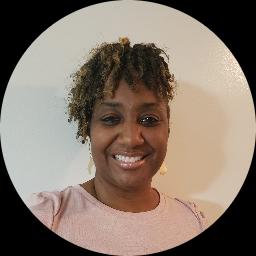
Tasha Boone is a Licensed Clinical Mental Health Counselor (LCMHC) in North Carolina with seven years of clinical experience. She works with people dealing with family and parenting challenges, anger, depression, ADHD, stress and anxiety. She also addresses relationship issues, trauma and abuse, grief, sleep problems, self-esteem, and compassion fatigue.
Her approach is practical and conversational. She uses client-centered methods alongside Cognitive Behavioral Therapy and Dialectical Behavior Therapy. Mindfulness and motivational interviewing also inform her work.
Background and approach
Sessions focus on clear skills, problem-solving, and helping clients notice what is and is not working in daily life. Tasha helps with specific family-related concerns such as adoption and foster care, blended family issues, caregiver stress, and communication problems. She also supports people managing mood disorders, panic attacks, impulsivity, and post-traumatic stress.
Suicidal ideation or self-harm concerns are included in her scope of practice as listed in her specialties. She aims to make sessions straightforward. Clients can expect a mix of talking, skill practice, and planning between sessions.
The therapist adapts strategies to the situation rather than sticking rigidly to one method. Tasha offers services in English and accepts international clients. Her practice uses a subscription model that can be canceled at any time.
To begin, people complete a short matching questionnaire and schedule a first session through the online therapy options button.
How her approaches work in online sessions
Client-Centered Therapy places the client’s priorities at the center of sessions. The therapist listens without directing and follows the client’s lead to identify what matters most and which changes to try. This approach helps people who want a collaborative space to talk through family or relationship problems.Cognitive Behavioral Therapy (CBT) focuses on the link between thoughts, feelings, and actions. It breaks problems into manageable steps, teaches practical coping skills, and assigns brief between-session exercises. CBT is often used for anxiety, depression, panic, and sleep difficulties.
Dialectical Behavior Therapy (DBT) brings skill training in emotion regulation, distress tolerance, and interpersonal effectiveness. It is useful when strong emotions, impulsivity, or relationship conflict get in the way of daily functioning.
Choosing the right approach is part of the work together. The therapist will review symptoms, goals, and preferences and then suggest methods to try. That plan can change as progress is reviewed, so clients and therapist remain collaborative partners in deciding what helps best.
Confirm the current session formats before booking because formats are not listed in the biography. Online sessions can make it easier to fit appointments into a busy schedule, reduce travel time, and allow for shorter or more frequent check-ins when needed. Speak with the intake process to learn which online session options are available and how they can fit into day-to-day life.
Frequently asked questions
What kinds of problems does she address most often?
What is her therapeutic style?
How much clinical experience does she have?
What credential does she hold and where is she based?
Which languages are offered for sessions?
Can people outside the U.S. work with her?
How are fees handled?
What are the first steps to begin?
Specialties and expertise
Top specialties
- Family conflicts
- Parenting issues
- Anger management
Also works with
- ADHD
- Adoption and foster care
- Blended family issues
- Caregiver issues and stress
- Communication problems
- Compassion fatigue
- Control issues
- Coping with life changes
- Depression
- Disruptive Mood Dysregulation Disorder (DMDD)
- Emptiness
- Forgiveness
- Grief
- Guilt and shame
- Impulsivity
- Isolation / loneliness
- LGBT
- Mood disorders
- Panic disorder and panic attacks
- Post-traumatic stress
- Relationship issues
- Self esteem
- Self-harm
- Self-love
- Sexuality
- Sleeping disorders
- Social anxiety and phobia
- Stress, Anxiety
- Trauma and abuse
- Women's issues
- Young adult issues
Therapeutic approaches
- Experience
- 7 years
- Licensed
- North Carolina
- Languages
- English