
Dr. Rebecca McDonough, LMHC
Florida · 32 yrs exp
Topics: LGBT / Grief / Self esteem +2
Methods: Client-Centered Therapy / Cognitive Behavioral Therapy (CBT)
View ProfileTherapist listings come from BetterHelp, and we will earn a commission if you use our link - at no cost to you.
Solution-Focused Therapy is a short-term, goal-oriented approach that emphasizes clients' strengths and practical steps for change. Below you can browse therapists who list Solution-Focused Therapy among their approaches to explore profiles and methods.
Florida · 32 yrs exp
Topics: LGBT / Grief / Self esteem +2
Methods: Client-Centered Therapy / Cognitive Behavioral Therapy (CBT)
View Profile
Texas · 11 yrs exp
Topics: Stress, Anxiety / Bipolar / Depression +3
Methods: Client-Centered Therapy / Cognitive Behavioral Therapy (CBT)
View Profile
Illinois · 20 yrs exp
Topics: Stress, Anxiety / Relationship / Parenting +8
Methods: Client-Centered Therapy / Cognitive Behavioral Therapy (CBT)
View Profile
Ohio · 3 yrs exp
Topics: Addictions / Family / Anger +7
Methods: Client-Centered Therapy / Cognitive Behavioral Therapy (CBT)
View Profile
Pennsylvania · 12 yrs exp
Topics: Stress, Anxiety / Trauma and abuse / Self esteem +12
Methods: Client-Centered Therapy / Mindfulness Therapy
View Profile
Oregon · 14 yrs exp
Topics: Grief / Self esteem / Career +9
Methods: Client-Centered Therapy / Cognitive Behavioral Therapy (CBT)
View Profile
New York · 35 yrs exp
Topics: Stress, Anxiety / Self esteem / Career +11
Methods: Client-Centered Therapy / Mindfulness Therapy
View Profile
North Carolina · 13 yrs exp
Topics: Stress, Anxiety / Relationship / Family +14
Methods: Acceptance and Commitment Therapy (ACT) / Client-Centered Therapy
View Profile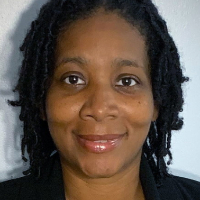
Florida · 13 yrs exp
Topics: Stress, Anxiety / Anger / Depression +14
Methods: Cognitive Behavioral Therapy (CBT) / Dialectical Behavior Therapy (DBT)
View Profile
Texas · 25 yrs exp
Topics: Stress, Anxiety / Relationship / Trauma and abuse +13
Methods: Acceptance and Commitment Therapy (ACT) / Cognitive Behavioral Therapy (CBT)
View Profile
Florida · 13 yrs exp
Topics: Stress, Anxiety / Self esteem / Career +4
Methods: Client-Centered Therapy / Cognitive Behavioral Therapy (CBT)
View Profile
Texas · 8 yrs exp
Topics: Stress, Anxiety / Grief / Self esteem +12
Methods: Cognitive Behavioral Therapy (CBT) / Solution-Focused Therapy
View Profile
Alabama · 8 yrs exp
Topics: Stress, Anxiety / Trauma and abuse / Anger +6
Methods: Client-Centered Therapy / Cognitive Behavioral Therapy (CBT)
View Profile
Arizona · 30 yrs exp
Topics: Stress, Anxiety / Trauma and abuse / Self esteem +12
Methods: Client-Centered Therapy / Cognitive Behavioral Therapy (CBT)
View Profile
Florida · 22 yrs exp
Topics: Stress, Anxiety / Self esteem / Depression +6
Methods: Acceptance and Commitment Therapy (ACT) / Client-Centered Therapy
View Profile
Georgia · 8 yrs exp
Topics: Stress, Anxiety / Relationship / Grief +6
Methods: Client-Centered Therapy / Cognitive Behavioral Therapy (CBT)
View Profile
New York · 7 yrs exp
Topics: Stress, Anxiety / Trauma and abuse / Self esteem +12
Methods: Acceptance and Commitment Therapy (ACT) / Client-Centered Therapy
View Profile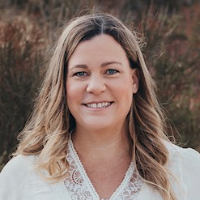
California · 10 yrs exp
Topics: Stress, Anxiety / Family / Parenting +6
Methods: Attachment-Based Therapy / Client-Centered Therapy
View Profile
Texas · 10 yrs exp
Topics: Stress, Anxiety / Relationship / Family +6
Methods: Client-Centered Therapy / Cognitive Behavioral Therapy (CBT)
View Profile
Texas · 8 yrs exp
Topics: Stress, Anxiety / Relationship / Self esteem +9
Methods: Client-Centered Therapy / Cognitive Behavioral Therapy (CBT)
View Profile
Texas · 6 yrs exp
Topics: Relationship / Family / Parenting +8
Methods: Client-Centered Therapy / Cognitive Behavioral Therapy (CBT)
View Profile
Oregon · 10 yrs exp
Topics: Stress, Anxiety / Grief / Self esteem +11
Methods: Acceptance and Commitment Therapy (ACT) / Cognitive Behavioral Therapy (CBT)
View Profile
North Carolina · 30 yrs exp
Topics: Stress, Anxiety / Relationship / Family +11
Methods: Client-Centered Therapy / Cognitive Behavioral Therapy (CBT)
View Profile
Nebraska · 25 yrs exp
Topics: Stress, Anxiety / Family / Trauma and abuse +13
Methods: Client-Centered Therapy / Cognitive Behavioral Therapy (CBT)
View Profile
Pennsylvania · 38 yrs exp
Topics: Stress, Anxiety / Grief / Depression +8
Methods: Client-Centered Therapy / Cognitive Behavioral Therapy (CBT)
View Profile
Wisconsin · 11 yrs exp
Topics: Stress, Anxiety / Relationship / Family +7
Methods: Client-Centered Therapy / Cognitive Behavioral Therapy (CBT)
View Profile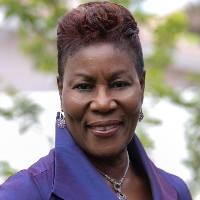
Florida · 21 yrs exp
Topics: Addictions / Relationship / Family +3
Methods: Client-Centered Therapy / Cognitive Behavioral Therapy (CBT)
View Profile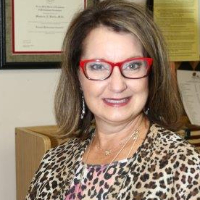
Texas · 4 yrs exp
Topics: Stress, Anxiety / Addictions / Relationship +4
Methods: Acceptance and Commitment Therapy (ACT) / Client-Centered Therapy
View Profile
North Carolina · 25 yrs exp
Topics: Stress, Anxiety / Addictions / Family +12
Methods: Client-Centered Therapy / Cognitive Behavioral Therapy (CBT)
View Profile
South Carolina · 20 yrs exp
Topics: Stress, Anxiety / Relationship / Eating +11
Methods: Client-Centered Therapy / Cognitive Behavioral Therapy (CBT)
View Profile
Florida · 4 yrs exp · 2 languages
Topics: Stress, Anxiety / Trauma and abuse / Self esteem +9
Methods: Cognitive Behavioral Therapy (CBT) / Dialectical Behavior Therapy (DBT)
View Profile
New York · 36 yrs exp
Topics: Stress, Anxiety / Family / Parenting +8
Methods: Client-Centered Therapy / Cognitive Behavioral Therapy (CBT)
View Profile
New Mexico · 3 yrs exp
Topics: Stress, Anxiety / Trauma and abuse / Depression +10
Methods: Cognitive Behavioral Therapy (CBT) / Hypnotherapy
View Profile
Louisiana · 14 yrs exp
Topics: Stress, Anxiety / Parenting / Anger +2
Methods: Attachment-Based Therapy / Client-Centered Therapy
View Profile
Florida · 20 yrs exp
Topics: Stress, Anxiety / Addictions / Relationship +2
Methods: Acceptance and Commitment Therapy (ACT) / Attachment-Based Therapy
View Profile
Illinois · 38 yrs exp
Topics: Stress, Anxiety / Self esteem / Depression +10
Methods: Client-Centered Therapy / Cognitive Behavioral Therapy (CBT)
View Profile
Mississippi · 10 yrs exp
Topics: Stress, Anxiety / Anger / Self esteem +2
Methods: Client-Centered Therapy / Cognitive Behavioral Therapy (CBT)
View Profile
Mississippi · 21 yrs exp
Topics: Stress, Anxiety / Family / Parenting +10
Methods: Acceptance and Commitment Therapy (ACT) / Client-Centered Therapy
View Profile
North Carolina · 16 yrs exp
Topics: Stress, Anxiety / Addictions / Trauma and abuse +14
Methods: Acceptance and Commitment Therapy (ACT) / Client-Centered Therapy
View Profile
New York · 14 yrs exp
Topics: Stress, Anxiety / Relationship / Trauma and abuse +6
Methods: Acceptance and Commitment Therapy (ACT) / Client-Centered Therapy
View Profile
Texas · 8 yrs exp · 2 languages
Topics: Stress, Anxiety / Addictions / Anger +8
Methods: Client-Centered Therapy / Cognitive Behavioral Therapy (CBT)
View Profile
Texas · 3 yrs exp
Topics: Stress, Anxiety / Addictions / Relationship +6
Methods: Acceptance and Commitment Therapy (ACT) / Attachment-Based Therapy
View Profile
Florida · 8 yrs exp · 4 languages
Topics: Stress, Anxiety / Relationship / Family +10
Methods: Client-Centered Therapy / Cognitive Behavioral Therapy (CBT)
View Profile
Florida · 11 yrs exp · 2 languages
Topics: Stress, Anxiety / Relationship / Parenting +12
Methods: Acceptance and Commitment Therapy (ACT) / Cognitive Behavioral Therapy (CBT)
View Profile
Missouri · 22 yrs exp
Topics: Stress, Anxiety / Trauma and abuse / Self esteem +7
Methods: Client-Centered Therapy / Cognitive Behavioral Therapy (CBT)
View Profile
Minnesota · 7 yrs exp
Topics: Stress, Anxiety / LGBT / Trauma and abuse +10
Methods: Client-Centered Therapy / Cognitive Behavioral Therapy (CBT)
View Profile
Illinois · 10 yrs exp
Topics: Stress, Anxiety / Trauma and abuse / Grief +12
Methods: Client-Centered Therapy / Cognitive Behavioral Therapy (CBT)
View Profile
North Carolina · 20 yrs exp
Topics: Stress, Anxiety / Addictions / LGBT +2
Methods: Acceptance and Commitment Therapy (ACT) / Client-Centered Therapy
View Profile
Florida · 25 yrs exp
Topics: Stress, Anxiety / Relationship / Trauma and abuse +3
Methods: Cognitive Behavioral Therapy (CBT) / Dialectical Behavior Therapy (DBT)
View Profile
Georgia · 3 yrs exp
Topics: Stress, Anxiety / Self esteem / Career +2
Methods: Client-Centered Therapy / Mindfulness Therapy
View Profile
Nevada · 25 yrs exp
Topics: Stress, Anxiety / Relationship / Family +2
Methods: Attachment-Based Therapy / Client-Centered Therapy
View Profile
Illinois · 5 yrs exp
Topics: Stress, Anxiety / Relationship / Trauma and abuse +13
Methods: Acceptance and Commitment Therapy (ACT) / Attachment-Based Therapy
View Profile
Montana · 10 yrs exp
Topics: Stress, Anxiety / Trauma and abuse / Grief +10
Methods: Attachment-Based Therapy / Client-Centered Therapy
View Profile
Florida · 8 yrs exp
Topics: Stress, Anxiety / Trauma and abuse / Parenting +12
Methods: Cognitive Behavioral Therapy (CBT) / Solution-Focused Therapy
View Profile
Massachusetts · 5 yrs exp
Topics: Stress, Anxiety / Family / Self esteem +5
Methods: Client-Centered Therapy / Dialectical Behavior Therapy (DBT)
View Profile
Texas · 7 yrs exp · 3 languages
Topics: Stress, Anxiety / Addictions / Relationship +13
Methods: Acceptance and Commitment Therapy (ACT) / Cognitive Behavioral Therapy (CBT)
View Profile
Florida · 13 yrs exp
Topics: Stress, Anxiety / Addictions / Relationship +2
Methods: Client-Centered Therapy / Cognitive Behavioral Therapy (CBT)
View Profile
Illinois · 39 yrs exp
Topics: Stress, Anxiety / Relationship / Grief +2
Methods: Client-Centered Therapy / Cognitive Behavioral Therapy (CBT)
View Profile
Texas · 15 yrs exp
Topics: Stress, Anxiety / Family / Parenting +10
Methods: Client-Centered Therapy / Cognitive Behavioral Therapy (CBT)
View Profile
Florida · 9 yrs exp
Topics: Stress, Anxiety / Addictions / Self esteem +10
Methods: Client-Centered Therapy / Cognitive Behavioral Therapy (CBT)
View ProfileSolution-Focused Therapy centers on the idea that small, actionable changes can produce meaningful shifts in daily life. Rather than spending the bulk of sessions dissecting how a problem began, this approach emphasizes what is already working, even in small ways, and how those elements can be amplified. You will often hear questions designed to map your goals, identify exceptions to the problem, and clarify the very next steps that move you toward the outcome you want. The tone is collaborative - you and the therapist work as partners on concrete, achievable targets.
The method grew from a focus on solutions and resources rather than exhaustive problem analysis. Core principles include asking future-focused questions, identifying exceptions when the problem is absent or less intense, and scaling progress so you can measure change in manageable increments. The approach assumes that you have strengths and skills that can be mobilized, and that change can occur through incremental, practical adjustments. Sessions tend to emphasize clarity and momentum, with a view toward leaving therapy with specific strategies you can apply right away.
Many people turn to Solution-Focused Therapy when they want fast, practical support for a specific goal or life change. It is commonly used for relationship concerns, workplace stress, adjustment to life transitions, parenting challenges, and interpersonal conflicts. You may also encounter this approach when addressing low-level anxiety or depressive symptoms that are linked to specific situations, or when you want help building routines, improving communication, or clarifying goals.
Because the emphasis is on short-term, goal-directed work, you are likely to find this approach attractive when you want tangible, immediate strategies and a clear plan. It is also used in contexts where time is limited and you want to maximize each session's impact. If you have complex, long-standing conditions or multiple overlapping clinical problems, Solution-Focused Therapy can still play a role as part of a broader treatment plan, but you and your therapist may coordinate approaches to address deeper or more persistent issues over time.
A typical session usually starts with a brief check-in and a clear articulation of what you want to achieve. You will be invited to describe your preferred future in concrete terms - what will be different when this issue is resolved. The therapist often uses scaling questions to help you quantify where you are now and where you want to be, which creates a shared reference for measuring progress.
Once goals are clarified, conversation shifts to exceptions - moments when the problem is less present or when things worked better than usual. By examining those exceptions you and the therapist identify patterns and specific behaviors that can be repeated. The session often concludes with small, practical tasks or experiments to try between meetings. These assignments are usually concrete and doable, designed to build momentum rather than to be burdensome. Over time you will notice incremental changes and use scaling to track improvement.
Solution-Focused Therapy differs from traditional psychodynamic approaches by placing far less emphasis on the origins of a problem. Instead of tracing historical roots, you focus on present resources and future possibilities. Compared with cognitive-behavioral approaches, Solution-Focused Therapy shares a pragmatic orientation but tends to place greater weight on client strengths and on co-creating small, achievable steps rather than on systematic restructuring of thoughts and behaviors. In contrast to more exploratory methods, it is designed to be time-efficient and action-oriented.
The differences also show up in language and technique. Solution-Focused therapists often use specific types of questions - such as miracle questions and scaling questions - that encourage you to imagine preferred outcomes and assess progress. The therapeutic stance is typically highly collaborative and non-pathologizing, treating you as the expert on your life while the therapist acts as a guide for identifying and amplifying what already works. If you prefer a forward-moving, practical process focused on results and experimentation, this approach can feel particularly well aligned with your needs.
Solution-Focused Therapy can be a good fit if you want pragmatic, outcome-oriented work and prefer a goal-focused structure. You may be drawn to this approach if you want to address a specific problem, make changes quickly, or try concrete strategies between sessions. It can be helpful when you are motivated to take active steps and when you value a partnership that highlights your strengths and prior successes. If your concerns are primarily situational or linked to clear behavioral patterns, you will likely find the focus on small, repeatable wins appealing.
When looking for a therapist who uses this approach, use profile information to compare focus areas, approaches, credentials, languages, and clinical experience. Look for clinicians who describe a collaborative style and who mention goal-setting, scaling, or solution-focused questioning in their descriptions. You may also consider whether you prefer in-person or remote sessions and whether a clinician's stated populations of interest - for example couples, adolescents, or workplace issues - line up with your needs. An initial conversation or consultation can give you a sense of whether the therapist's style and expectations match your preferences, and it can help you understand how they typically structure sessions and homework.
Remember that fit matters as much as technique. You are more likely to make progress when you feel heard and when the therapist's approach complements your priorities. If you are exploring therapists on this site, use the filters and profiles to narrow options by approach and experience, and read descriptions to get a sense of therapeutic style. With clear goals and a collaborative clinician, Solution-Focused Therapy can help you build momentum toward meaningful, practical change in the areas you care about.
Alabama
170 therapists
Alaska
22 therapists
Arizona
135 therapists
Arkansas
87 therapists
Australia
343 therapists
California
1210 therapists
Colorado
241 therapists
Connecticut
128 therapists
Delaware
30 therapists
District of Columbia
30 therapists
Florida
1054 therapists
Georgia
312 therapists
Hawaii
37 therapists
Idaho
67 therapists
Illinois
415 therapists
Indiana
197 therapists
Iowa
43 therapists
Kansas
76 therapists
Kentucky
164 therapists
Louisiana
197 therapists
Maine
49 therapists
Maryland
219 therapists
Massachusetts
164 therapists
Michigan
371 therapists
Minnesota
138 therapists
Mississippi
121 therapists
Missouri
217 therapists
Montana
63 therapists
Nebraska
50 therapists
Nevada
63 therapists
New Hampshire
20 therapists
New Jersey
241 therapists
New Mexico
43 therapists
New York
643 therapists
North Carolina
411 therapists
North Dakota
10 therapists
Ohio
282 therapists
Oklahoma
176 therapists
Oregon
73 therapists
Pennsylvania
416 therapists
Rhode Island
25 therapists
South Carolina
211 therapists
South Dakota
25 therapists
Tennessee
169 therapists
Texas
1202 therapists
United Kingdom
1242 therapists
Utah
96 therapists
Vermont
23 therapists
Virginia
257 therapists
Washington
151 therapists
West Virginia
33 therapists
Wisconsin
153 therapists
Wyoming
25 therapists