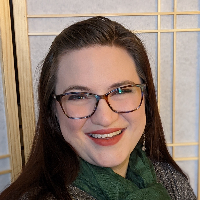
Rebecca Preston, LMHC
Licensed Mental Health Counselor - Addiction and Trauma
- Credentials
- LMHC
- License
- LMHC, New York / 009100
- NPI
- 1639640659
About Rebecca
Rebecca Preston is a Licensed Mental Health Counselor (LMHC) in New York with eight years of clinical experience. She works primarily with people facing addiction and the problems that often come with it, such as mood symptoms, relationship strain, and changes in daily life. Sessions are offered in English and she does not accept international clients.
Rebecca has focused much of her work on people who have experienced complex trauma, including childhood attachment difficulties and intergenerational trauma.
Background and approach
She also sees people coping with anxiety, depression, bipolar disorder, and a range of personality and behavioral concerns. Her practice includes work around grief, sleep problems, stress, anger, and attention challenges. Her clinical approach draws on mindfulness-based work alongside client-centered techniques.
She also uses attachment-informed ideas and cognitive behavioral strategies when they fit the situation. Rebecca describes her style as warm and playful and aims to combine steady support with practical tools. In sessions she talks through current problems, offers coping strategies, and practices skills such as grounding and breathing when helpful.
She often focuses on how early relationships shape present patterns and looks for small changes that reduce distress in daily life. She also addresses communication problems, codependency, and commitment concerns when those issues come up. Rebecca has worked with people from diverse cultural backgrounds and across a range of ages.
If you are considering online options, confirm the current session formats before booking so you know which arrangements are possible.
Therapeutic approaches and online sessions
Rebecca commonly uses mindfulness-based methods and cognitive behavioral strategies. Mindfulness work focuses on present-moment awareness, breathing, and attention skills to reduce reactivity and ease stress. Cognitive behavioral techniques look at how thoughts, feelings, and behaviors interact and introduce practical steps to change unhelpful patterns.Finding the right approach is part of the work together. She will discuss goals and preferences in early sessions and recommend which methods to emphasize based on those needs. That decision is collaborative and can change as therapy progresses.
Confirm which online session formats are offered before booking so you know how sessions will be scheduled and delivered. Online sessions can make it easier to fit appointments into a busy week and can reduce travel time. They also allow shorter check-ins when needed and let people choose whether to use video or lower-bandwidth options when that helps them stay consistent with appointments.
Frequently asked questions
What concerns does she work with most?
What is her therapeutic approach or style?
How much clinical experience does she have?
What are her credentials and where is she based?
Which languages and international arrangements are supported?
What session formats are used?
How does payment and cost work?
How do I begin working with her?
Specialties and expertise
Top specialties
Also works with
- Abandonment
- ADHD
- Anger management
- Attachment issues
- Autism and Asperger Syndrome
- Avoidant personality
- Bipolar disorder
- Body image
- Caregiver issues and stress
- Chronic pain, illness, and disability
- Co-morbidity
- Codependency
- Commitment issues
- Communication problems
- Compassion fatigue
- Control issues
- Coping with life changes
- Coping with natural or human-caused disaster
- Dependent personality
- Depression
- Dissociation
- Domestic violence
- Drug and alcohol addiction
- Eating and food-related issues
- Emptiness
- Family conflicts
- Family of origin issues
- Family problems
- Grief
- Guilt and shame
- Impulsivity
- Isolation / loneliness
- LGBT
- Life purpose
- Mood disorders
- Multicultural concerns
- Obsessions, compulsions, and OCD
- Panic disorder and panic attacks
- Personality disorders
- Phobias
- Post-traumatic stress
- Process addiction (porn, exercise, gambling)
- Relationship issues
- Seasonal Affective Disorder (SAD)
- Self esteem
- Self-harm
- Self-love
- Sexual assault and abuse
- Sleeping disorders
- Smoking / vaping cessation
- Social anxiety and phobia
- Somatization
- Traumatic brain injury
- Trichotillomania
- Women's issues
- Workplace issues
- Young adult issues
Therapeutic approaches
- Experience
- 8 years
- Licensed
- New York
- Languages
- English