- Credentials
- LPC
- License
- LPC, Missouri / 2017028738
- NPI
- 1790398675
About David
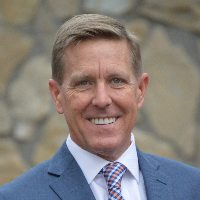
David Yoder is a Licensed Professional Counselor (LPC) in Missouri with six years of experience. He focuses on stress, anxiety, depression, addiction, relationship concerns, and life transitions. Sessions address a wide set of problems including grief, sleep issues, parenting strain, and self-esteem struggles, as well as attention and mood disorders.
He describes counseling as a person-centered practice, using the client’s own perspective as the starting point. That approach guides conversations and helps set goals that feel meaningful to the individual.
Background and approach
He also draws on cognitive behavioral techniques to look at how thoughts and behaviors link to mood and actions. Dialectical behavior ideas are used when emotion regulation and distress tolerance are priorities. Hypnotherapy is listed among tools he may offer when appropriate.
David notes that common labels are only a starting point and that each person’s experience is handled on its own terms. In sessions he works to identify practical steps and skills people can use between meetings. He may introduce breathing work or simple behavioral tasks to help manage anxiety, sleep problems, anger, or cravings.
He frames therapy as a collaborative process rather than a prescribed set of steps. David’s background includes several therapeutic approaches, and he selects methods based on the concerns presented. People looking for help with addiction, career stress, relationship patterns, or life purpose can expect a mix of talk-based work and practical exercises.
Sessions are conducted in English and follow Missouri LPC practice standards.
How his approaches translate to online work
Client-Centered Therapy focuses on listening, reflecting, and building goals that come from the client. Online sessions let the therapist follow the client’s lead and shape goals through conversation and regular check-ins.Cognitive Behavioral Therapy, or CBT, looks at the connections between thoughts, feelings, and actions. In remote sessions this often means identifying unhelpful thinking patterns and agreeing on short exercises or behavior changes to try between meetings.
Dialectical Behavior Therapy ideas emphasize skills for managing strong emotions and tolerating distress. These skills can be taught in talk-based online appointments and practiced with homework like grounding or breathing exercises.
Choosing the right approach is part of the work. The therapist will discuss your goals and preferences, then recommend methods to try. This is a collaborative process and methods can be adjusted over time based on what helps most.
Confirm the specific session formats available before booking, since the profile notes online therapy but does not list every format. Online sessions are often easier to fit into daily life, allow shorter check-ins when needed, and make it simpler to use written exercises, breathing practices, or short behavioral tasks between meetings.
Frequently asked questions
What concerns does he commonly address?
What is his general therapy style?
How much experience does he have?
What are his credentials and location?
Which languages are supported and can he see international clients?
What session formats are offered?
How are fees handled?
How do I get started?
Specialties and expertise
Top specialties
- Stress, Anxiety
- Addictions
- Relationship issues
Also works with
- ADHD
- Anger management
- Antisocial personality
- Attachment issues
- Bipolar disorder
- Career difficulties
- Co-morbidity
- Codependency
- Communication problems
- Control issues
- Coping with life changes
- Depression
- Divorce and separation
- Drug and alcohol addiction
- Family conflicts
- Family of origin issues
- Family problems
- Forgiveness
- Grief
- Guilt and shame
- Impulsivity
- Isolation / loneliness
- LGBT
- Life purpose
- Men's issues
- Midlife crisis
- Money and financial issues
- Mood disorders
- Narcissism
- Obsessions, compulsions, and OCD
- Panic disorder and panic attacks
- Parenting issues
- Personality disorders
- Phobias
- Post-traumatic stress
- Process addiction (porn, exercise, gambling)
- Self esteem
- Self-harm
- Self-love
- Sexual assault and abuse
- Sleeping disorders
- Smoking / vaping cessation
- Social anxiety and phobia
- Trauma and abuse
- Workplace issues
- Young adult issues
Therapeutic approaches
- Experience
- 6 years
- Licensed
- Missouri
- Languages
- English