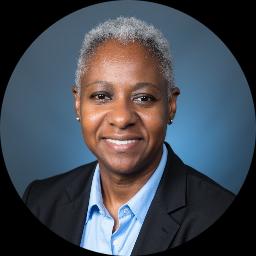
- Credentials
- LCSW, LISW-CP
- License
- LISW-CP, South Carolina / 16505; LCSW, North Carolina / C016758
- NPI
- 1508628033
About Acquanita
Acquanita Pettis is an LCSW and LISW-CP practicing in South Carolina with 12 years of clinical experience. She focuses on stress, anxiety, trauma and abuse, anger, self esteem, and issues affecting LGBT people. She also addresses concerns such as abandonment, attachment issues, codependency, communication problems, and substance-related difficulties.
She uses familiar, straightforward methods in sessions. Conversations often begin with the problem the person is facing now and move toward concrete steps they can try between meetings.
Background and approach
She draws on approaches like attachment-based work, client-centered listening, CBT strategies, DBT skills, and emotionally-focused techniques to help people notice patterns and try alternatives. In practice she pays attention to how past relationships shape current reactions. That can mean looking at family of origin issues, guilt and shame, or patterns of control and avoidance.
For people with anger or trauma, sessions may include learning ways to manage intense feelings and reduce harmful reactions. She works with concerns around life transitions, divorce and separation, and caregiving stress. When substance use or antisocial behavior is present, the focus is on safety, practical coping, and planning next steps.
Sessions also address purpose, forgiveness, and repairing communication when relationships are strained. Acquanita offers services in English and does not accept international clients. People are asked to confirm current session options before booking.
How her approaches translate to online sessions
Attachment-Based Therapy focuses on how early bonds shape current relationships. Online work can look at communication patterns and help a person try new ways of relating in real life. Cognitive Behavioral Therapy (CBT) breaks problems into thoughts, feelings, and actions. In remote sessions this often means identifying unhelpful thoughts, testing them, and assigning short activities to practice between meetings.Choosing the right approach is part of the work. The therapist will review the client’s needs, goals, and preferences and then suggest which methods to prioritize. Decisions are made together and can shift as progress is tracked.
Online sessions can make it easier to fit therapy into a busy week and reduce travel time. They may allow shorter check-ins when needed or let someone keep meeting even while handling other responsibilities. Because formats in the biography are not fully itemized, confirm the current session options before booking to know what will be used.
Frequently asked questions
What concerns does she focus on most?
What is her general therapeutic style?
How many years of experience does she have?
What credentials and location are listed?
Which languages are supported and can she work internationally?
What session formats are offered?
How is cost handled?
How do I begin working with her?
Specialties and expertise
Top specialties
Also works with
- Abandonment
- Anger management
- Antisocial personality
- Attachment issues
- Caregiver issues and stress
- Codependency
- Communication problems
- Control issues
- Disruptive Mood Dysregulation Disorder (DMDD)
- Divorce and separation
- Drug and alcohol addiction
- Family of origin issues
- Family problems
- Forgiveness
- Guilt and shame
- Life purpose
- Panic disorder and panic attacks
- Personality disorders
- Post-traumatic stress
- Prejudice and discrimination
- Self esteem
- Self-harm
- Self-love
- Sexual assault and abuse
- Social anxiety and phobia
- Young adult issues
Therapeutic approaches
- Experience
- 12 years
- Licensed
- South Carolina, North Carolina
- Languages
- English