Wendy Haynes-Britton, LPCC
Ohio LPCC - Addictions and Relationship concerns
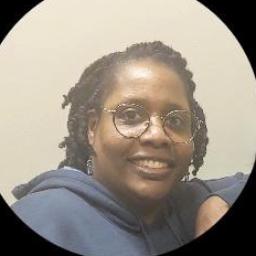
- Credentials
- LPCC
- License
- LPCC, Ohio / E.0500724-SUPV
- NPI
- 1811149560
About Wendy
Wendy Haynes-Britton is an Ohio LPCC with 16 years of professional experience. She helps people who are dealing with addictions, relationship problems, trauma and abuse, anger, and depression. Sessions are conducted in English and geared toward practical steps and clearer thinking.
She uses a mix of approaches to help clients understand what keeps a problem going and to build different responses. Sessions focus on observable changes in behavior and on skills that people can practice between meetings.
Background and approach
Conversations are straightforward and goal-focused, with attention to how daily habits affect mood and relationships. Wendy also addresses issues such as body image, codependency, communication problems, divorce and separation, family problems, and infidelity. She works with people whose concerns include guilt and shame, forgiveness, life purpose, and midlife transitions.
Specific challenges such as panic attacks, personality issues, and intellectual disability are part of her experience as well. Her methods include Acceptance and Commitment Therapy (ACT), Client-Centered Therapy, Cognitive Behavioral Therapy (CBT), Dialectical Behavior Therapy (DBT), and the Gottman Method. These approaches are used to teach coping skills, change unhelpful thinking, and improve relationship interaction patterns.
People choosing Wendy can expect practical, step-by-step work with attention to real-life problems. The focus is on clear communication, skills practice, and measurable progress in everyday situations.
How her approaches translate to online sessions
Acceptance and Commitment Therapy (ACT) helps people notice thoughts and choose actions that match their values. It is often used to address depression, anxiety, and patterns that keep someone stuck. Cognitive Behavioral Therapy (CBT) looks at the links between thoughts, feelings, and behavior and teaches concrete skills to change unhelpful patterns. CBT is commonly used for panic, depression, and problem behaviors. The Gottman Method focuses on relationship interactions and practical communication skills to reduce conflict and rebuild trust.Finding the right approach is part of the work. The therapist and client will discuss goals, preferences, and how symptoms show up in daily life. Together they decide which methods to use and which skills to practice between sessions.
Confirm the current session formats before booking since the biography does not list specific delivery modes. Online sessions can make it easier to fit appointments into a busy week, allow shorter check-ins when time is limited, and remove travel time. These practical benefits often help people keep consistent contact with a therapist while working on behavioral change and relationship skills.
Frequently asked questions
What concerns does she work with most?
What is her therapeutic style?
How much experience does she have?
What credentials and location are listed?
Which languages are supported?
Can I work with her from another country?
How are sessions paid for?
How do I start a session?
Specialties and expertise
Top specialties
- Addictions
- Relationship issues
- Trauma and abuse
Also works with
- Anger management
- Body image
- Codependency
- Communication problems
- Depression
- Divorce and separation
- Family problems
- Forgiveness
- Guilt and shame
- Infidelity
- Intellectual disability
- Life purpose
- Midlife crisis
- Multicultural concerns
- Panic disorder and panic attacks
- Personality disorders
- Polyamory / non-monogamous relationships
- Post-traumatic stress
- Postpartum depression
- Social anxiety and phobia
- Women's issues
- Workplace issues
Therapeutic approaches
- Experience
- 16 years
- Licensed
- Ohio
- Languages
- English