- Credentials
- LMFT
- License
- LMFT, California / 154270
- NPI
- 1215252101
About Katrina
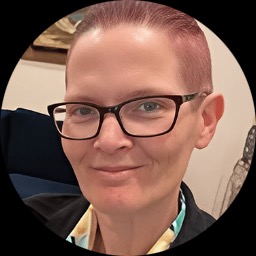
Katrina Watson is a Licensed Marriage and Family Therapist (LMFT) working in California with six years of clinical experience. She lists stress, anxiety, depression, trauma and abuse, LGBT concerns, and relationship issues among her main areas of focus. Sessions are offered in English and international clients are not currently accepted.
Katrina uses trauma-informed care alongside evidence-based therapeutic techniques to help people process difficult experiences and rebuild day-to-day functioning. She pays attention to how attachment patterns, communication habits, and control issues show up in relationships.
Background and approach
Conversations often include practical strategies for managing panic, social anxiety, and intrusive memories. She also supports people dealing with guilt, shame, loneliness, questions about sexuality, and struggles with self-worth and life purpose. Work can involve clarifying values, practicing new ways of relating, and building tolerance for uncomfortable emotions.
Katrina describes a collaborative approach that centers each person’s lived experience. Her style is straightforward and conversational. Sessions may mix skills practice, focused processing of past events, and check-ins on progress between meetings.
Because she notes queer counseling among her focus areas, she attends to identity-related stress and the specific relationship dynamics that can follow from that stress. Practical details are handled through an online process. The site uses a subscription model that can be canceled at any time.
Prospective clients start by selecting the See online therapy options button, completing a short matching questionnaire, and scheduling a first session.
How Katrina Uses Evidence-Based Methods Online
Many of her stated methods fall under the broad heading of evidence-based therapeutic techniques. Trauma-informed care means recognizing how past harm affects current behavior and relationships, and adjusting pacing and focus so processing feels manageable. That approach helps with post-traumatic stress, panic, and intense emotional reactions.She also draws on focused processing techniques to address intrusive memories and the emotional charge around specific events. These methods aim to reduce the intensity of distressing memories and improve day-to-day functioning. For anxiety and panic, sessions often include concrete coping skills and short behavioral experiments to test out new ways of responding.
Deciding which approach to use is a collaborative process. The therapist and client review current concerns, goals, and what has or hasn’t helped in the past. Together they try methods that fit the person’s preferences and adjust the plan over time based on how the work is going.
Practical benefits of meeting online include fitting sessions into a weekday routine and avoiding travel time. The profile confirms online work is part of her practice; confirm the exact session formats and scheduling options before booking. Online sessions can make it easier to check in regularly and to combine skill practice with brief between-session tasks when that supports progress.
Frequently asked questions
What concerns does she work with most?
What is her approach to therapy?
How much clinical experience does she have?
What credential does she hold and where is she based?
Which languages are supported for sessions?
Can I work with her from another country?
How are sessions paid for and what does it cost?
How do I begin if I want to work together?
Specialties and expertise
Top specialties
- Stress, Anxiety
- LGBT
- Relationship issues
Also works with
- Experience
- 6 years
- Licensed
- California
- Languages
- English