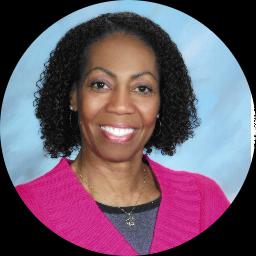
- Credentials
- LCPC
- License
- LCPC, Nevada / CP6075
- NPI
- 1992470785
About Deirdre
Deirdre Owens is a Nevada Licensed Clinical Professional Counselor (LCPC) with five years of professional experience. She works with people facing stress, anxiety, depression, grief, low self-esteem, and family concerns. Sessions are conducted in English and she does not accept international clients.
Deirdre uses a mix of practical therapies to help people change distressing thoughts and habits. She draws on cognitive behavioral techniques to identify unhelpful thinking patterns. She also uses acceptance and commitment ideas to clarify values and take manageable steps toward them.
Background and approach
Attachment-based ways of working are used when relationships and connection are central issues. Dialectical behavior strategies support emotion regulation and coping skills when feelings feel overwhelming. Client-centered elements mean conversations focus on the person's priorities and experience.
Deirdre pays attention to how chronic pain, illness, and disability affect mood and daily life. She also helps address attachment issues, blended family challenges, avoidant personality patterns, and social anxiety. Other areas include panic, mood disorders, personality disorders, and concerns around guilt, shame, forgiveness, and life purpose.
People can expect clear, practical conversation and step-by-step skills practice. Sessions aim to reduce immediate distress and build tools for long-term change. To begin, clients use the site process to match and schedule their first appointment.
How her approaches translate to online sessions
Deirdre commonly uses cognitive behavioral therapy and acceptance and commitment therapy to guide online work. CBT focuses on identifying and changing unhelpful thoughts and behaviors, which can be practiced with real-life experiments and homework between sessions. ACT emphasizes noticing inner experiences and choosing actions that align with personal values, often through short exercises and value-mapping. She also uses attachment-based principles when relationship patterns are central. That approach looks at how early and current relationships affect feelings and expectations, and it helps people try new ways of relating. Choosing the right approach is collaborative; the therapist will discuss goals, preferences, and what feels most useful and then adjust methods as work progresses. Confirm the available session formats before booking, since options are set during intake. Online sessions can make it easier to fit therapy into a busy life by removing travel time, allowing shorter check-ins when needed, and letting people join from a quieter spot or while on a break. These practical benefits help integrate skill practice into everyday routines without promising a specific format.Frequently asked questions
What concerns does she work with most?
What therapeutic style does she use?
How much experience does she have?
What credential and location are listed?
Can sessions be scheduled from other countries?
What session formats are available?
How is cost handled?
What are the first steps to get started?
Specialties and expertise
Top specialties
- Stress, Anxiety
- Family conflicts
- Grief
Also works with
- Attachment issues
- Avoidant personality
- Blended family issues
- Chronic pain, illness, and disability
- Communication problems
- Depression
- Forgiveness
- Guilt and shame
- Life purpose
- Mood disorders
- Multicultural concerns
- Panic disorder and panic attacks
- Personality disorders
- Self esteem
- Self-harm
- Self-love
- Social anxiety and phobia
- Women's issues
Therapeutic approaches
- Experience
- 5 years
- Licensed
- Nevada
- Languages
- English