DeBora Turpin, LPC
Licensed Professional Counselor - Stress and Relationship Issues
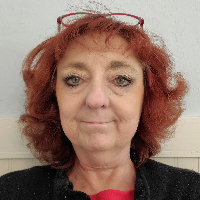
- Credentials
- LPC
- License
- LPC, Oklahoma / LPC05337
- NPI
- 1063711794
About DeBora
DeBora Turpin is an LPC (Licensed Professional Counselor) in Oklahoma with three years of clinical experience. She works with people facing stress, anxiety, depression, anger, ADHD, addictions, relationship and family problems, trauma and abuse, and bipolar concerns. She also supports those coping with life changes and offers coaching for practical goals.
Turpin focuses on changing thought patterns and breathing to influence emotions and behavior. She helps clients identify what they want and build step-by-step plans to reach those goals.
Background and approach
Sessions emphasize concrete skills and short-term strategies that a person can use between meetings. Her approach draws on several methods, including cognitive behavioral strategies, EMDR for trauma-related symptoms, mindfulness practices, hypnotherapy, and relationship work influenced by the Gottman Method. She describes therapy as results-oriented and goal focused, with attention to measurable change.
Turpin brings personal perspective from long-term family life and parenting while keeping the work centered on the individual’s aims. She mentions experience with childhood trauma, caregiving stress, chronic illness and pain, abandonment issues, infidelity, and obsessive or compulsive concerns among her focus areas. That background shapes how she frames practical steps and coping tools.
Sessions are available in English and she accepts international clients. Prospective clients are asked to follow the site process to view online therapy options, complete a short matching questionnaire, and schedule an initial session if they wish to proceed.
How therapeutic approaches are used in online sessions
DeBora Turpin uses cognitive behavioral approaches to identify and change unhelpful thoughts and behaviors. CBT sessions often include clear exercises, homework, and short-term skill building for issues like anxiety, depression, or problematic habits.She also offers Eye Movement Desensitization and Reprocessing (EMDR) when trauma symptoms are part of the work. EMDR is a structured method that targets distressing memories and associated reactions, and it can be applied in sessions focused on reducing trauma-related symptoms.
Finding the right approach is part of the therapy process. The therapist will work collaboratively with the client to choose methods that match the person’s goals, needs, and preferences. That may mean combining CBT, EMDR, mindfulness, or other techniques over time to see what works best.
This profile indicates online therapy is available. Confirm which session formats are currently offered before booking. Online sessions can make it easier to fit meetings into a busy schedule, allow shorter check-ins when needed, and let people participate from different locations. Talk with the therapist during the initial match to arrange the format and frequency that suit practical needs.
Frequently asked questions
What main concerns does she address?
How would you describe her therapeutic style?
How much clinical experience does she have?
What credential and location are listed?
Which languages and international work are supported?
What session formats does she offer?
How are sessions paid for?
What are the steps to get started?
Specialties and expertise
Top specialties
- Stress, Anxiety
- Anger management
- Depression
Also works with
- Abandonment
- Addictions
- ADHD
- Bipolar disorder
- Cancer
- Caregiver issues and stress
- Chronic pain, illness, and disability
- Co-morbidity
- Coaching
- Communication problems
- Control issues
- Coping with life changes
- Dissociation
- Family conflicts
- Family of origin issues
- Family problems
- Forgiveness
- Guilt and shame
- Infidelity
- Life purpose
- Obsessions, compulsions, and OCD
- Panic disorder and panic attacks
- Phobias
- Post-traumatic stress
- Postpartum depression
- Process addiction (porn, exercise, gambling)
- Relationship issues
- Seasonal Affective Disorder (SAD)
- Self-love
- Smoking / vaping cessation
- Social anxiety and phobia
- Trauma and abuse
- Trichotillomania
- Workplace issues
Therapeutic approaches
- Experience
- 3 years
- Licensed
- Oklahoma
- Languages
- English