Deana Harris, LPC
Licensed Professional Counselor - Relationships and Stress
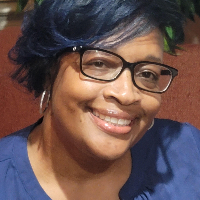
- Credentials
- LPC
- License
- LPC, Michigan / 6401013259
- NPI
- 1538673025
About Deana
Deana Harris is a Licensed Professional Counselor (LPC) in Michigan with 10 years of experience. She works with people facing relationship strain, family conflict, low self-esteem, career questions, life transitions, stress, anxiety, trauma and abuse, depression, and compassion fatigue. Sessions are offered in English and online therapy is part of her practice.
Harris earned a master’s degree from the University of Detroit Mercy with specializations in school and community counseling.
Background and approach
Her background includes work in school and community settings where she supported young people, teenagers, adults, and caregivers with academic and career planning concerns. That experience informs how she frames practical goals in sessions. Her approach blends several evidence-based techniques so sessions focus on clear problems and concrete steps.
She uses elements of solution-focused work to build short-term goals, narrative ideas to examine personal stories, and cognitive-behavioral strategies to change unhelpful thinking and behavior patterns. Trauma-focused cognitive behavior therapy is part of her toolkit for addressing traumatic stress. In a typical session she emphasizes collaboration on goals and straightforward feedback to help clients move forward.
Meetings often include identifying small, manageable actions and tracking progress between sessions. She describes counseling as a cooperative process rather than a preset method. Practical matters are handled directly: costs vary by location, services use a cancel-anytime subscription model, and international clients are not accepted.
To begin, prospective clients complete a short matching questionnaire and schedule a first session through the online therapy options button.
How her approaches translate to online sessions
Solution-focused work concentrates on setting small, achievable goals and tracking progress. Online sessions can use this method to plan brief between-session tasks and review results in the next meeting. Narrative techniques involve looking at the stories people tell about themselves and reframing those narratives; remotely this often means talking through events and identifying alternate meanings.Cognitive-behavioral approaches focus on the links between thoughts, feelings, and actions and include practical exercises such as thought records and behavior experiments. Trauma-focused cognitive behavior therapy adapts those steps for traumatic stress by adding safety, stabilization, and gradual processing where appropriate.
Finding the right approach is part of the work. The therapist collaborates with each person to choose methods that fit their goals, preferences, and what feels workable in session. That choice can change over time as needs evolve.
Confirm the current online session options before booking so you know what formats are offered. Online work can make scheduling easier and help sessions fit around school, work, or caregiving duties. It can also allow shorter check-ins when needed and reduce travel time, which helps people sustain regular appointments.
Frequently asked questions
What concerns does she focus on most?
What is her therapy style?
How long has she been practicing?
What are her credentials and location?
Which languages are supported?
Can she work with international clients?
How are sessions priced?
How do I begin working with her?
Specialties and expertise
Top specialties
- Relationship issues
- Family conflicts
- Self esteem
Also works with
- Experience
- 10 years
- Licensed
- Michigan
- Languages
- English