
Shaun Cunningham, LMHP
Nebraska · 25 yrs exp
Topics: Stress, Anxiety / Family / Trauma and abuse +13
Methods: Client-Centered Therapy / Cognitive Behavioral Therapy (CBT)
View ProfileTherapist listings come from BetterHelp, and we will earn a commission if you use our link - at no cost to you.
Internal Family Systems (IFS) is a therapeutic framework that understands the mind as made up of distinct parts alongside a core Self that can guide healing. Below you can browse therapists who list Internal Family Systems among their approaches to learn how practitioners describe and apply this work.
Use the profiles to compare focus areas, credentials, languages, and experience so you can find a practitioner whose approach fits your goals.
Nebraska · 25 yrs exp
Topics: Stress, Anxiety / Family / Trauma and abuse +13
Methods: Client-Centered Therapy / Cognitive Behavioral Therapy (CBT)
View Profile
South Carolina · 20 yrs exp
Topics: Stress, Anxiety / Relationship / Eating +11
Methods: Client-Centered Therapy / Cognitive Behavioral Therapy (CBT)
View Profile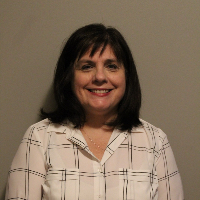
New York · 36 yrs exp
Topics: Stress, Anxiety / Family / Parenting +8
Methods: Client-Centered Therapy / Cognitive Behavioral Therapy (CBT)
View Profile
Florida · 20 yrs exp
Topics: Stress, Anxiety / Trauma and abuse / Anger +2
Methods: Client-Centered Therapy / Cognitive Behavioral Therapy (CBT)
View Profile
North Carolina · 20 yrs exp
Topics: Stress, Anxiety / Addictions / LGBT +2
Methods: Acceptance and Commitment Therapy (ACT) / Client-Centered Therapy
View Profile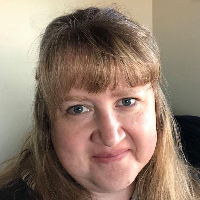
Montana · 10 yrs exp
Topics: Stress, Anxiety / Trauma and abuse / Grief +10
Methods: Attachment-Based Therapy / Client-Centered Therapy
View Profile
Florida · 13 yrs exp · 2 languages
Topics: Stress, Anxiety / Relationship / Trauma and abuse +5
Methods: Client-Centered Therapy / Cognitive Behavioral Therapy (CBT)
View Profile
Georgia · 10 yrs exp
Topics: Stress, Anxiety / Family / Trauma and abuse +12
Methods: Attachment-Based Therapy / Client-Centered Therapy
View Profile
New Jersey · 38 yrs exp
Topics: Stress, Anxiety / Addictions / Relationship +15
Methods: Client-Centered Therapy / Cognitive Behavioral Therapy (CBT)
View Profile
Mississippi · 12 yrs exp
Topics: Stress, Anxiety / Trauma and abuse / Parenting +10
Methods: Acceptance and Commitment Therapy (ACT) / Client-Centered Therapy
View Profile
Kentucky · 16 yrs exp
Topics: Stress, Anxiety / Trauma and abuse / Grief +8
Methods: Acceptance and Commitment Therapy (ACT) / Attachment-Based Therapy
View Profile
Florida · 40 yrs exp
Topics: Stress, Anxiety / Addictions / Relationship +12
Methods: Cognitive Behavioral Therapy (CBT) / Dialectical Behavior Therapy (DBT)
View Profile
Tennessee · 9 yrs exp
Topics: LGBT / Relationship / Trauma and abuse +3
Methods: Client-Centered Therapy / Cognitive Behavioral Therapy (CBT)
View Profile
United Kingdom · 14 yrs exp · 2 languages
Topics: Stress, Anxiety / Addictions / Trauma and abuse +10
Methods: Attachment-Based Therapy / Client-Centered Therapy
View Profile
Florida · 12 yrs exp
Topics: Stress, Anxiety / Relationship / Family +4
Methods: Acceptance and Commitment Therapy (ACT) / Attachment-Based Therapy
View Profile
United Kingdom · 4 yrs exp
Topics: Stress, Anxiety / Relationship / Self esteem +9
Methods: Acceptance and Commitment Therapy (ACT) / Attachment-Based Therapy
View Profile
Florida · 12 yrs exp
Topics: Stress, Anxiety / Parenting / Self esteem +9
Methods: Attachment-Based Therapy / Client-Centered Therapy
View Profile
United Kingdom · 4 yrs exp
Topics: Stress, Anxiety / Trauma and abuse / Depression +12
Methods: Attachment-Based Therapy / Mindfulness Therapy
View Profile
Oklahoma · 16 yrs exp
Topics: Stress, Anxiety / Trauma and abuse / Self esteem +12
Methods: Client-Centered Therapy / Cognitive Behavioral Therapy (CBT)
View Profile
Illinois · 6 yrs exp
Topics: Stress, Anxiety / Relationship / Self esteem +11
Methods: Acceptance and Commitment Therapy (ACT) / Attachment-Based Therapy
View Profile
Kentucky · 7 yrs exp
Topics: Stress, Anxiety / LGBT / Depression +7
Methods: Client-Centered Therapy / Cognitive Behavioral Therapy (CBT)
View Profile
United Kingdom · 6 yrs exp
Topics: Stress, Anxiety / Anger / Self esteem +13
Methods: Acceptance and Commitment Therapy (ACT) / Attachment-Based Therapy
View Profile
Illinois · 15 yrs exp
Topics: Trauma and abuse / Anger / Self esteem +12
Methods: Acceptance and Commitment Therapy (ACT) / Attachment-Based Therapy
View Profile
United Kingdom · 6 yrs exp
Topics: Stress, Anxiety / Relationship / Family +4
Methods: Client-Centered Therapy / Cognitive Behavioral Therapy (CBT)
View Profile
United Kingdom · 5 yrs exp · 2 languages
Topics: Stress, Anxiety / Relationship / Family +9
Methods: Acceptance and Commitment Therapy (ACT) / Attachment-Based Therapy
View Profile
California · 25 yrs exp
Topics: Relationship / Grief / Self esteem +2
Methods: Client-Centered Therapy / Motivational Interviewing
View Profile
Georgia · 17 yrs exp
Topics: Stress, Anxiety / Grief / Bipolar +10
Methods: Acceptance and Commitment Therapy (ACT) / Attachment-Based Therapy
View Profile
United Kingdom · 10 yrs exp
Topics: Stress, Anxiety / Trauma and abuse / Anger +2
Methods: Attachment-Based Therapy / Client-Centered Therapy
View Profile
United Kingdom · 12 yrs exp
Topics: Stress, Anxiety / Trauma and abuse / Grief +12
Methods: Acceptance and Commitment Therapy (ACT) / Client-Centered Therapy
View Profile
United Kingdom · 28 yrs exp
Topics: Stress, Anxiety / Relationship / Family +12
Methods: Acceptance and Commitment Therapy (ACT) / Attachment-Based Therapy
View Profile
United Kingdom · 9 yrs exp
Topics: Stress, Anxiety / Relationship / Family +2
Methods: Client-Centered Therapy / Solution-Focused Therapy
View Profile
United Kingdom · 4 yrs exp
Topics: Stress, Anxiety / Relationship / Trauma and abuse +8
Methods: Attachment-Based Therapy / Client-Centered Therapy
View Profile
United Kingdom · 16 yrs exp
Topics: Addictions / LGBT / Trauma and abuse +2
Methods: Acceptance and Commitment Therapy (ACT) / Attachment-Based Therapy
View Profile
United Kingdom · 4 yrs exp
Topics: Stress, Anxiety / Relationship / Grief +10
Methods: Attachment-Based Therapy / Client-Centered Therapy
View Profile
Texas · 3 yrs exp
Topics: Stress, Anxiety / Relationship / Trauma and abuse +2
Methods: Acceptance and Commitment Therapy (ACT) / Client-Centered Therapy
View Profile
United Kingdom · 5 yrs exp
Topics: Stress, Anxiety / Relationship / Trauma and abuse +14
Methods: Client-Centered Therapy / Cognitive Behavioral Therapy (CBT)
View Profile
South Carolina · 10 yrs exp
Topics: Stress, Anxiety / Relationship / Family +3
Methods: Attachment-Based Therapy / Client-Centered Therapy
View Profile
Kansas · 40 yrs exp
Topics: Stress, Anxiety / Family / Trauma and abuse +2
Methods: Client-Centered Therapy / Cognitive Behavioral Therapy (CBT)
View Profile
Pennsylvania · 15 yrs exp · 3 languages
Topics: Relationship / Family / Eating +2
Methods: Acceptance and Commitment Therapy (ACT) / Client-Centered Therapy
View Profile
Missouri · 10 yrs exp
Topics: Stress, Anxiety / Addictions / Relationship +11
Methods: Acceptance and Commitment Therapy (ACT) / Attachment-Based Therapy
View Profile
Ohio · 14 yrs exp
Topics: Trauma and abuse / Self esteem / Depression +7
Methods: Attachment-Based Therapy / Client-Centered Therapy
View Profile
United Kingdom · 12 yrs exp · 2 languages
Topics: Stress, Anxiety / Relationship / Family +12
Methods: Acceptance and Commitment Therapy (ACT) / Attachment-Based Therapy
View Profile
California · 8 yrs exp
Topics: Stress, Anxiety / Relationship / Self esteem +10
Methods: Client-Centered Therapy / Cognitive Behavioral Therapy (CBT)
View Profile
Illinois · 22 yrs exp
Topics: Stress, Anxiety / Relationship / Trauma and abuse +8
Methods: Acceptance and Commitment Therapy (ACT) / Attachment-Based Therapy
View Profile
New York · 11 yrs exp
Topics: Stress, Anxiety / Relationship / Trauma and abuse +6
Methods: Attachment-Based Therapy / Client-Centered Therapy
View Profile
Ohio · 25 yrs exp
Topics: Stress, Anxiety / Trauma and abuse / Self esteem +9
Methods: Client-Centered Therapy / Cognitive Behavioral Therapy (CBT)
View Profile
Delaware · 6 yrs exp
Topics: Stress, Anxiety / Addictions / LGBT +2
Methods: Attachment-Based Therapy / Client-Centered Therapy
View Profile
United Kingdom · 5 yrs exp
Topics: Grief / Self esteem / Depression +9
Methods: Acceptance and Commitment Therapy (ACT) / Client-Centered Therapy
View Profile
Illinois · 4 yrs exp
Topics: Stress, Anxiety / Relationship / Self esteem +8
Methods: Acceptance and Commitment Therapy (ACT) / Attachment-Based Therapy
View Profile
Colorado · 7 yrs exp
Topics: Stress, Anxiety / Trauma and abuse / Grief +4
Methods: Acceptance and Commitment Therapy (ACT) / Attachment-Based Therapy
View Profile
Texas · 19 yrs exp · 2 languages
Topics: Stress, Anxiety / Family / Trauma and abuse +2
Methods: Acceptance and Commitment Therapy (ACT) / Attachment-Based Therapy
View Profile
United Kingdom · 3 yrs exp
Topics: Stress, Anxiety / Relationship / Family +2
Methods: Acceptance and Commitment Therapy (ACT) / Client-Centered Therapy
View Profile
United Kingdom · 8 yrs exp
Topics: Stress, Anxiety / Trauma and abuse / Depression +15
Methods: Client-Centered Therapy / Emotionally-Focused Therapy (EFT)
View Profile
Texas · 7 yrs exp
Topics: Stress, Anxiety / Relationship / Trauma and abuse +6
Methods: Acceptance and Commitment Therapy (ACT) / Attachment-Based Therapy
View Profile
Australia · 11 yrs exp
Topics: Stress, Anxiety / Relationship / Self esteem +2
Methods: Acceptance and Commitment Therapy (ACT) / Attachment-Based Therapy
View Profile
Illinois · 8 yrs exp
Topics: Stress, Anxiety / Addictions / Trauma and abuse +2
Methods: Acceptance and Commitment Therapy (ACT) / Attachment-Based Therapy
View Profile
United Kingdom · 14 yrs exp
Topics: Stress, Anxiety / Addictions / Relationship +2
Methods: Attachment-Based Therapy / Client-Centered Therapy
View Profile
Australia · 12 yrs exp · 3 languages
Topics: Stress, Anxiety / Relationship / Family +2
Methods: Acceptance and Commitment Therapy (ACT) / Attachment-Based Therapy
View Profile
Australia · 16 yrs exp · 2 languages
Topics: Stress, Anxiety / Relationship / Parenting +2
Methods: Acceptance and Commitment Therapy (ACT) / Attachment-Based Therapy
View Profile
United Kingdom · 18 yrs exp · 2 languages
Topics: Stress, Anxiety / Relationship / Career +2
Methods: Acceptance and Commitment Therapy (ACT) / Client-Centered Therapy
View ProfileInternal Family Systems is a model that views your inner life as composed of multiple parts, each with its own perspectives, feelings, and roles, and a central Self that embodies qualities like curiosity, calmness, and clarity. The approach treats these parts as having positive intentions even when their behaviors create problems. You are invited to get to know these parts with respect and curiosity rather than trying to suppress or eliminate them. The Self is not a separate goal to reach but an accessible stance you can learn to embody, and the therapeutic process aims to help parts release burdens and return to healthy roles.
Core principles include a non-pathologizing stance toward inner experience, the idea that every part is trying to protect or help you in some way, and that healing comes from relational work within your own internal system. In practice, that means you are encouraged to listen internally, to discover how different parts relate to one another, and to develop new internal leadership led by the qualities of Self. The model blends mindfulness-based attention to inner experience with an organized map of parts, which many people find useful for making sense of conflicting feelings and repetitive patterns.
People turn to Internal Family Systems for a wide range of concerns because the model is designed to work with internal conflicts and self-protective patterns that appear across many issues. You may seek practitioners who list IFS among their approaches if you are dealing with lingering effects of trauma, persistent anxiety, chronic shame, low self-worth, or repeating relationship patterns. The approach is also often applied to grief, mood difficulties, compulsive behaviors, and responses to life transitions where old parts step in to manage fear or loss.
Because IFS offers a framework for understanding why you react in certain ways, it can be helpful when you want to change patterns rather than just manage symptoms. Some people use the model to explore how upbringing, cultural expectations, or life experiences shaped particular parts, while others use it to build more compassionate self-relating. If you have struggled with inner critic voices, self-sabotage, or polarized feelings that feel at odds with one another, IFS offers language and techniques to approach those dynamics constructively.
A typical session that uses Internal Family Systems will vary depending on the practitioner and your goals, but there are common elements you can expect. The therapist often begins by checking in about your week and asking which internal states are active. You are encouraged to notice and describe the parts that are present - for example, an anxious part, a protective part, or an inner critic - and the therapist will guide you to relate to those parts from the Self position, which embodies curiosity and compassion.
Sessions frequently involve a balance of verbal exploration and experiential techniques. You may be invited to slow down, focus inward, and speak to a particular part to learn its history, role, and concerns. The therapist works as a facilitator - helping you maintain the Self stance, naming patterns, and supporting parts to unburden or shift roles. In some sessions the work is gentle and reflective, while in others it may be more active as you negotiate with parts that hold strong emotions. Progress is often gradual, with an emphasis on building safety and trust in your internal system rather than forcing rapid change.
Compared with approaches that prioritize symptom reduction, Internal Family Systems places central importance on relational work - but that relationship is internal. Instead of focusing primarily on challenging thoughts or changing behaviors first, IFS invites you to develop an inner leader - the Self - that can hold and transform your parts. This contrasts with cognitive-behavioral approaches that often target thought patterns and behaviors through structured exercises and homework. IFS is less directive about replacing thoughts and more oriented toward understanding and transforming the roles parts play.
Compared with insight-oriented therapies that emphasize past events, IFS blends an awareness of history with active, present-focused contact with parts. Where trauma-focused protocols may target trauma memory processing through specific desensitization techniques, IFS tends to emphasize making relationships with fragments of experience so they can release burdens at their own pace. In practice you may find practitioners who combine elements from different schools - for example, integrating IFS-style parts work with skill-building or exposure strategies - so it is useful to note how a therapist describes their approach in profile information.
IFS can be a fit for many people who are open to an exploratory, relational way of working with inner experience. You may be particularly well suited to this model if you are curious about the internal causes of patterns, want to develop kinder self-relating, or prefer a therapy that attends to internal emotional life rather than focusing solely on behavior change. If you are seeking help with trauma, note that some parts may hold intense material and you may want a practitioner who describes experience working with trauma-related issues. Pace and support are important, so look for a therapist who explains how they create a safe setting and scaffold intense material gradually.
When you search profiles, compare how therapists describe their use of Internal Family Systems, the populations they work with, and complementary approaches they combine. Pay attention to credentials, years of clinical experience, and languages offered so you can find someone whose background matches your needs. It can be helpful to prepare a few questions for an initial conversation, such as how they typically begin IFS work, how they handle moments when parts become overwhelmed, and what a short-term plan might look like. You do not need to rely solely on labels - reading a therapist's description of how they apply parts work and whether they emphasize relational pacing, somatic integration, or skills development will help you determine fit.
Finally, trust your sense of fit when you speak with a practitioner. A good match is often as much about how the therapist explains the approach and how you feel in conversation as it is about specific labels. Use profile details to narrow options and then focus on how a therapist describes their approach to parts, the populations they mention, and the languages they offer. That combination of information will help you identify someone who aligns with your goals and the pace of work you prefer.
Starting IFS work is often an invitation to slow down and get curious about your inner life. Whether you are exploring parts because you want relief from recurring patterns or because you want to deepen self-understanding, you can use practitioner profiles to learn how therapists frame this work and which complementary skills they bring. Taking the time to read descriptions and ask about approach and experience will help you find a therapist whose style supports the kind of internal exploration you want to do.
Alabama
170 therapists
Alaska
22 therapists
Arizona
135 therapists
Arkansas
87 therapists
Australia
343 therapists
California
1210 therapists
Colorado
241 therapists
Connecticut
128 therapists
Delaware
30 therapists
District of Columbia
30 therapists
Florida
1054 therapists
Georgia
312 therapists
Hawaii
37 therapists
Idaho
67 therapists
Illinois
415 therapists
Indiana
197 therapists
Iowa
43 therapists
Kansas
76 therapists
Kentucky
164 therapists
Louisiana
197 therapists
Maine
49 therapists
Maryland
219 therapists
Massachusetts
164 therapists
Michigan
371 therapists
Minnesota
138 therapists
Mississippi
121 therapists
Missouri
217 therapists
Montana
63 therapists
Nebraska
50 therapists
Nevada
63 therapists
New Hampshire
20 therapists
New Jersey
241 therapists
New Mexico
43 therapists
New York
643 therapists
North Carolina
411 therapists
North Dakota
10 therapists
Ohio
282 therapists
Oklahoma
176 therapists
Oregon
73 therapists
Pennsylvania
416 therapists
Rhode Island
25 therapists
South Carolina
211 therapists
South Dakota
25 therapists
Tennessee
169 therapists
Texas
1202 therapists
United Kingdom
1242 therapists
Utah
96 therapists
Vermont
23 therapists
Virginia
257 therapists
Washington
151 therapists
West Virginia
33 therapists
Wisconsin
153 therapists
Wyoming
25 therapists