- Credentials
- LCSW
- License
- LCSW, Utah / 9177224-3501
- NPI
- 1164779138
About Tina
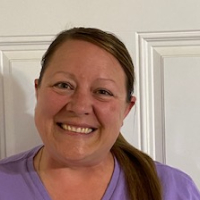
Tina Peck is a Licensed Clinical Social Worker (LCSW) practicing in Utah with nine years of clinical experience. She focuses on stress, anxiety, addictions, trauma and abuse, self esteem, depression, LGBT concerns, relationship and family issues, grief, career questions, bipolar disorder, and coping with life changes. Her approach combines practical skills and focused therapeutic techniques.
She uses Cognitive Behavioral Therapy (CBT), Dialectical Behavior Therapy (DBT), and Trauma-Focused Therapy to address thinking patterns, emotion regulation, and the effects of traumatic events.
Background and approach
Sessions aim to identify patterns that cause distress and practice different ways of responding. Tina draws on experience supporting people with substance use concerns, survivors of domestic violence, and those facing chronic health challenges. Her background includes several years working with people who have disabilities and working as an addiction counselor.
She has also worked in both inpatient and outpatient settings with adolescents in the past. In sessions she tends to work directly on everyday problems like coping skills, managing mood, and improving relationship communication. She also offers help for grief, career transitions, and issues such as codependency and body image when they come up.
People who choose her can expect a straightforward, skills-focused style that mixes behavioral techniques and trauma-informed practices. She works with English-speaking clients in Utah and uses methods aimed at practical change and symptom reduction.
How Tina applies therapeutic approaches online
CBT, or Cognitive Behavioral Therapy, focuses on spotting unhelpful thoughts and testing them with real-life experiments. It is commonly used for anxiety, depression, and many stress-related problems. DBT, or Dialectical Behavior Therapy, teaches practical skills for managing intense emotions, improving relationships, and reducing impulsive behaviors. It is useful when strong emotions or impulsivity interfere with daily life. Trauma-Focused Therapy centers on understanding how traumatic events affect reactions and daily functioning and uses techniques to process those memories and reduce their power.Choosing which approach to use is a collaborative process. The therapist and client review goals, current problems, and personal preferences to decide which methods to try first. That plan can be adjusted over time based on what is helping and what is not.
The specific session formats offered should be confirmed before booking. In general, online sessions can make it easier to fit therapy into a busy schedule, reduce travel time, and allow shorter check-ins when needed. They also make it possible to work on skills and coping strategies from daily life as issues come up between sessions. Confirm the exact online options available with the therapist when scheduling.
Frequently asked questions
What concerns does she most often address?
What is her therapeutic style?
How much clinical experience does she have?
Where is she licensed and practicing?
Which languages are supported?
Can people outside the United States work with her?
How are sessions paid for?
How do I begin working with her?
Specialties and expertise
Top specialties
Also works with
- Bipolar disorder
- Body image
- Career difficulties
- Chronic pain, illness, and disability
- Codependency
- Compassion fatigue
- Control issues
- Coping with life changes
- Coping with natural or human-caused disaster
- Depression
- Domestic violence
- Drug and alcohol addiction
- Family conflicts
- Family of origin issues
- Family problems
- First responder issues
- Grief
- Impulsivity
- Jealousy
- LGBT
- Life purpose
- Post-traumatic stress
- Postpartum depression
- Relationship issues
- Self esteem
- Self-love
- Sexuality
- Women's issues
- Young adult issues
Therapeutic approaches
- Experience
- 9 years
- Licensed
- Utah
- Languages
- English