Michelle Lehto Flores, LCPC
Licensed Clinical Professional Counselor - addictions and mood disorders
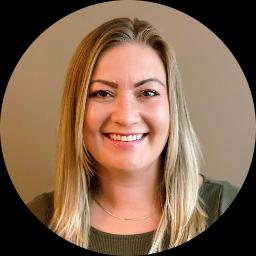
- Credentials
- LCPC
- License
- LCPC, Illinois / 180.014932
- NPI
- 1609587609
About Michelle
Michelle Lehto Flores is a Licensed Clinical Professional Counselor (LCPC) practicing in Illinois with nine years of experience. She works with people facing addictions, anger, low self-esteem, bipolar disorder, and depression. She also addresses related concerns such as blended family issues, communication problems, drug and alcohol addiction, and mood disorders.
Michelle uses straightforward, evidence-based techniques in sessions. She often draws on Cognitive Behavioral Therapy and solution-focused methods along with mindfulness practices to help people notice what’s keeping them stuck and make concrete changes.
Background and approach
Sessions focus on skills that can be used between meetings rather than vague ideas. Her style is collaborative and nonjudgmental. She helps clients set clear goals, track progress, and adjust tools if something is not working.
Conversations can include practical steps for managing strong emotions, reducing substance use, or improving daily routines. Michelle’s background includes a master’s degree in Forensic Psychology from The Chicago School of Professional Psychology. That training informs her attention to decision making, legal stressors, and complex case factors when they are relevant to a person’s struggles.
People who reach out typically want help with mood regulation, addiction-related choices, or rebuilding confidence after major life changes. She offers in-session skill practice, problem-solving, and coping strategies aimed at real-life situations. For online sessions, confirm current formats before booking.
Approaches used in online sessions and how they help
Michelle commonly uses Cognitive Behavioral Therapy to help people identify unhelpful thoughts and change behaviors that keep problems going. CBT is useful for managing depression, anxiety, mood symptoms, and behaviors linked to addiction.She also uses solution-focused techniques that concentrate on concrete steps and small changes. These methods work well when someone wants clear actions and shorter-term goals to improve daily functioning.
Finding the right approach is part of the work together. The therapist will discuss options, try methods in session, and adjust based on what the client needs and prefers. That collaborative process helps identify the mix of skills and strategies that fit an individual situation.
Confirm current session formats before booking so you know what is offered for online work. Online sessions can make it easier to fit meetings into a busy week, reduce travel time, and allow shorter check-ins when needed. They can also permit session work from a familiar setting and make it simpler to practice coping skills between appointments.
Frequently asked questions
What problems does she focus on most?
What is her therapeutic style?
How much clinical experience does she have?
What are her credentials and location?
Which languages are supported?
Does she work with international clients?
How does cost work for sessions?
How do I begin a first session?
Specialties and expertise
Top specialties
- Addictions
- Anger management
- Self esteem
Also works with
- Bipolar disorder
- Blended family issues
- Co-morbidity
- Communication problems
- Depression
- Disruptive Mood Dysregulation Disorder (DMDD)
- Drug and alcohol addiction
- Family problems
- Forgiveness
- Guilt and shame
- Immigration issues
- Isolation / loneliness
- Life purpose
- Midlife crisis
- Money and financial issues
- Mood disorders
- Paranoia
- Personality disorders
- Post-traumatic stress
- Self-harm
- Self-love
- Women's issues
- Workplace issues
- Young adult issues
- Experience
- 9 years
- Licensed
- Illinois
- Languages
- English