Maxine Lindauer, LPC
Licensed Professional Counselor - Depression and Anxiety
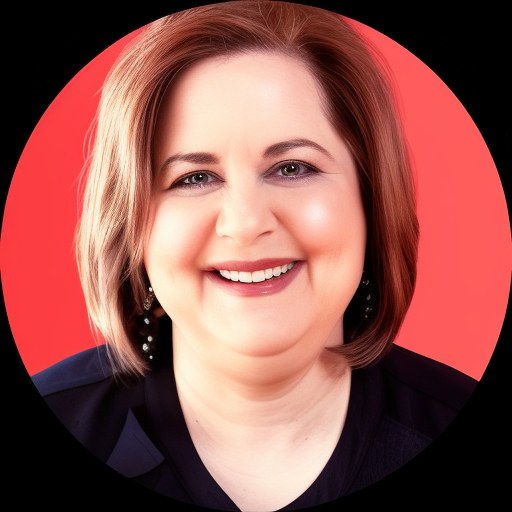
- Credentials
- LPC
- License
- LPC, Texas / 93920
- NPI
- 1558115931
About Maxine
Maxine Lindauer is a Licensed Professional Counselor (LPC) in Texas with three years of clinical experience. She focuses on depression, anxiety, trauma and abuse, grief, and self-esteem concerns. Her practice works with adults coping with emotional pain and life changes.
Lindauer emphasizes practical conversations about how past experiences affect current feelings and behavior. She helps people notice patterns tied to attachment, abandonment, and family of origin issues. Sessions often include working through panic symptoms, mood shifts, and responses linked to trauma.
Background and approach
She addresses relationship and communication problems by helping clients name reactions and try different ways of speaking and setting limits. For people who feel isolated or struggle with guilt and shame, she offers ways to recognize those feelings and test small changes. Work on life purpose or a midlife shift focuses on clear next steps rather than abstract goals.
When grief or loss is central, Lindauer supports processing the practical and emotional parts of that experience. For clients with dissociation or dependent personality concerns, the focus is on grounding, building steady routines, and increasing daily functioning. Panic disorder and panic attacks are approached with symptom management and practice of calming skills.
Maxine uses evidence-based therapeutic techniques to guide sessions and works collaboratively with each person to set goals. Sessions are conducted in English and take place in Texas. To start, clients complete a short matching questionnaire and schedule a first appointment.
Approach-driven online sessions for trauma and mood concerns
Evidence-based techniques are used to structure online work in practical ways. One common approach focuses on symptom management and grounding strategies to reduce panic and dissociation; this involves breathing practices, behavioral experiments, and short in-session exercises to learn new responses. Another approach looks at attachment and family patterns by mapping relationship histories and trying different communication exercises to change repeated interaction styles.Finding the right approach is part of the work. The therapist and client review goals and try methods that match the person’s needs and preferences. They adjust techniques over a few sessions so the plan fits what actually helps in day-to-day life.
Confirm the supported online session formats before booking. In general, online sessions can make it easier to fit counseling around work, errands, and family tasks. They also allow shorter check-ins when needed, and options that do not require being on camera if someone prefers audio only. Discuss format preferences during the intake so sessions can be scheduled in ways that work with routines and technical constraints.
Frequently asked questions
What concerns does she commonly address?
What is her therapeutic style?
How much experience does she have?
What are her credentials and where is she located?
Which languages are supported?
Which session formats are offered?
How does billing and cost work?
How do I get started?
Specialties and expertise
Top specialties
Also works with
- Abandonment
- Attachment issues
- Communication problems
- Dependent personality
- Depression
- Dissociation
- Family of origin issues
- Family problems
- Forgiveness
- Guilt and shame
- Isolation / loneliness
- Life purpose
- Midlife crisis
- Mood disorders
- Panic disorder and panic attacks
- Post-traumatic stress
- Self esteem
- Self-harm
- Self-love
- Sexual assault and abuse
- Workplace issues
- Experience
- 3 years
- Licensed
- Texas
- Languages
- English