- Credentials
- LCSW, CSW
- License
- LCSW, Utah / 13553421-3501; LCSW, Colorado / CSW.09933444
- NPI
- 1457081580
About Marianne
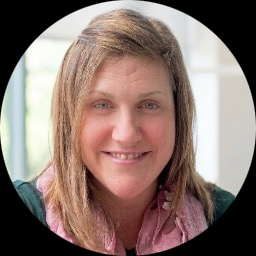
Marianne Clayburn is a Licensed Clinical Social Worker (LCSW) practicing in Utah with four years of experience. She works with people dealing with stress, anxiety, trauma and abuse, grief, depression, and major life changes. Sessions are conducted in English and she does not accept international clients.
Marianne uses evidence-based therapeutic techniques alongside a trauma-informed outlook. She incorporates Christian values into her work when clients want that perspective. In sessions she helps people name overwhelming feelings and try practical steps to manage them.
Background and approach
That can include learning new coping strategies, addressing panic attacks, or working through symptoms of postpartum depression and Seasonal Affective Disorder. She also focuses on concerns such as body image and eating-related issues, isolation and loneliness, abandonment, and questions around life purpose. Marianne supports people coping with mood disorders, social anxiety and phobia, self-harm thoughts, and recovery from post-traumatic stress.
Her approach includes attention to multicultural concerns when relevant. Marianne aims to help clients break large problems into small, manageable steps. That often means tracking reactions, practicing skills between sessions, and reviewing what works.
She frames therapy as a practical collaboration rather than a lecture. To start, clients follow an online process: they select the See online therapy options button, complete a short matching questionnaire, and schedule a first session. Pricing varies by location and sessions use a subscription that can be canceled at any time.
How evidence-based techniques are used in online sessions
Marianne draws on evidence-based therapeutic techniques alongside a trauma-informed approach. Evidence-based techniques often include focused skill work such as tracking symptoms, practicing short behavioral experiments, and structured problem solving. These approaches help with anxiety, panic attacks, mood challenges, and patterns that follow trauma.When a faith perspective matters, she can include Christian values in the work as part of the therapeutic frame. Choosing the best approach is collaborative: the therapist and client review symptoms, goals, and preferences and then try methods that fit. That plan can change over time based on how the client responds.
The profile notes she offers online therapy. Confirm the exact session formats when you book so you know whether video or other options are being used. Online sessions can make it easier to fit therapy into a busy day, allow shorter check-ins when needed, and remove travel time. Therapists generally adapt pacing and homework tasks so remote sessions still focus on usable skills and progress.
Frequently asked questions
What concerns does she focus on most?
What is her therapeutic style?
How much experience does she have?
What credentials and location are listed?
Which languages are supported and can international clients join?
What session formats are available?
How is cost handled?
How do I begin working with her?
Specialties and expertise
Top specialties
Also works with
- Abandonment
- Body image
- Coping with life changes
- Depression
- Eating and food-related issues
- Forgiveness
- Isolation / loneliness
- Life purpose
- Mood disorders
- Multicultural concerns
- Panic disorder and panic attacks
- Post-traumatic stress
- Postpartum depression
- Seasonal Affective Disorder (SAD)
- Self-harm
- Self-love
- Social anxiety and phobia
- Workplace issues
- Experience
- 4 years
- Licensed
- Utah, Colorado
- Languages
- English