- Credentials
- LCPC
- License
- LCPC, Maryland / LC7275
- NPI
- 1184166555
About Lynne
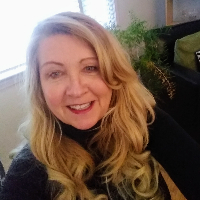
Lynne Peters is an LCPC in Maryland with 13 years of clinical experience. She focuses on stress, anxiety, addictions, trauma and abuse, self esteem, and depression. She works with people who are dealing with family of origin problems, caregiver stress, codependency, and issues that come after separation or disaster.
Lynne uses straightforward, practical methods in sessions. She draws on client-centered work to follow what each person brings to the room.
Background and approach
She also uses cognitive behavioral techniques to identify patterns of thinking and behavior that keep problems going. Mindfulness and dialectical strategies are used to teach concrete skills for managing intense emotions and urges. Sessions include talking through current struggles, learning specific coping skills, and planning small steps people can try between meetings.
She often addresses communication problems, commitment worries, and issues tied to blended families. For people facing addictions, sessions focus on motivation and handling triggers in daily life. Her background includes work across different settings with a range of people over more than a decade.
That experience informs how she helps clients handle co-morbidity and the overlap of mental health and substance concerns. The approach is practical and focused on what someone can do right now. People who reach out can expect short-term skill building alongside discussion of longer patterns from family history.
Lynne asks about current priorities, safety, and what the client wants to change first. She also uses motivational interviewing when readiness for change is mixed.
Therapeutic approaches and how they work online
Client-centered therapy focuses on the person’s own goals and experience. It means the therapist listens and reflects what matters most to the client so sessions follow the client’s priorities. This approach helps when someone needs to make sense of current stressors and decide what to change.Cognitive Behavioral Therapy, or CBT, breaks problems into thoughts, feelings, and actions. Sessions look at specific thoughts that feed anxiety or depression and test new behaviors. CBT is often used for anxiety, depression, and patterns that maintain substance use or low self-esteem.
Dialectical Behavior Therapy, or DBT, teaches clear skills for emotion regulation, distress tolerance, and improved interpersonal effectiveness. These skills are applied to intense emotions, self-control struggles, and repeated relationship patterns.
Finding the right mix of approaches is part of early sessions. The therapist works collaboratively to match methods to a client’s goals, needs, and preferences. They check in and adjust approach as therapy progresses.
Online sessions can make it easier to fit therapy into a busy week. Confirm the session formats offered before booking to know whether meetings are by video or phone. Online work lets people practice skills in everyday settings, use shorter check-ins when needed, and avoid travel time so sessions can fit into a lunch break or after work.
Frequently asked questions
What concerns does she focus on most?
What is her therapeutic style?
How much clinical experience does she have?
What are her credentials and where does she practice?
Which languages does she use in sessions?
Does she work with clients outside the United States?
How are sessions scheduled and what is the cost model?
How do I begin the process?
Specialties and expertise
Top specialties
Also works with
- Abandonment
- Blended family issues
- Caregiver issues and stress
- Co-morbidity
- Codependency
- Commitment issues
- Communication problems
- Control issues
- Coping with natural or human-caused disaster
- Depression
- Divorce and separation
- Drug and alcohol addiction
- Emptiness
- Family of origin issues
- Family problems
- First responder issues
- Forgiveness
- Guilt and shame
- HIV / AIDS
- Isolation / loneliness
- Life purpose
- Men's issues
- Midlife crisis
- Money and financial issues
- Post-traumatic stress
- Self esteem
- Self-love
- Traumatic brain injury
- Veteran and Armed Forces Issues
- Women's issues
- Workplace issues
- Young adult issues
Therapeutic approaches
- Experience
- 13 years
- Licensed
- Maryland
- Languages
- English