- Credentials
- LCSW-R
- License
- LCSW-R, New York / 038378
- NPI
- 1083953954
About Dorothy
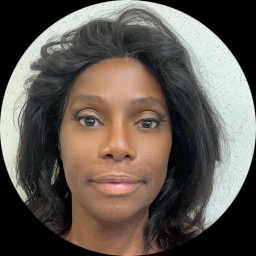
Dorothy Frazier is a New York LCSW-R with 30 years of clinical experience. She has worked in inpatient psychiatric settings, employee assistance programs, prison systems, and outpatient services. Dorothy has also lectured and contributed to research on trauma and addiction, and she conducts teaching in higher education as an adjunct professor.
She focuses on stress, anxiety, addictions, relationships, and trauma and abuse. She helps people manage panic attacks, post-traumatic stress, and social anxiety.
Background and approach
Other areas she addresses include communication problems, control issues, divorce and separation, and issues such as guilt, shame, and forgiveness. Her practice uses approaches that include Client-Centered Therapy, Cognitive Behavioral Therapy (CBT), and Eye Movement Desensitization and Reprocessing (EMDR). Sessions mix conversation, practical skills, and structured techniques.
Dorothy aims to help clients notice patterns, practice new coping strategies, and reduce distress over time. Clients who have faced chronic or recent trauma are a core focus, and Dorothy records experience helping people with trauma-related conditions. She has worked with professional groups and community settings and applies lessons from those roles to individual work.
She offers services in English and accepts international clients. The practice uses a subscription model for sessions that can be canceled at any time; cost varies by location. To begin, readers are asked to use the See online therapy options button, complete a short matching questionnaire, and schedule a first session.
How therapeutic approaches are used in online sessions
Client-Centered Therapy focuses on listening and reflecting what a person says so they can understand their own thoughts and feelings. It is useful for building trust, addressing relationship concerns, and talking through stressors.Cognitive Behavioral Therapy, or CBT, looks at how thoughts, feelings, and behaviors connect. Sessions involve practical exercises and homework to reduce anxiety, manage panic attacks, and change unhelpful patterns.
EMDR uses guided eye movements or similar bilateral stimulation while discussing distressing memories. It is applied to trauma and post-traumatic stress concerns and aims to reduce the intensity of traumatic memories.
Finding the right approach is part of the work. Dorothy will discuss goals, preferences, and how symptoms appear, and then recommend ways of working together. That decision is collaborative and can change as therapy progresses.
Online sessions can fit into daily life and make it easier to attend from different locations. Confirm the specific session options offered before booking so you know how sessions are scheduled and what to expect. The focus in sessions is on practical strategies, symptom reduction, and improving day-to-day functioning without requiring in-person visits.
Frequently asked questions
What concerns does she work with most?
What therapeutic style does she use?
How much experience does she have?
What are her credentials and location?
Which languages are supported and can she work internationally?
What session formats are offered?
How much do sessions cost?
How do I begin working with her?
Specialties and expertise
Top specialties
- Stress, Anxiety
- Addictions
- Relationship issues
Also works with
- Coaching
- Communication problems
- Control issues
- Divorce and separation
- Forgiveness
- Guilt and shame
- Hoarding
- Immigration issues
- Infidelity
- Intellectual disability
- Isolation / loneliness
- Life purpose
- Panic disorder and panic attacks
- Post-traumatic stress
- Self-love
- Social anxiety and phobia
- Trauma and abuse
Therapeutic approaches
- Experience
- 30 years
- Licensed
- New York
- Languages
- English