- Credentials
- PACFA
- Registration
- PACFA, Australia / 30270
About Disha
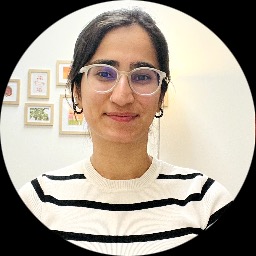
Disha Khatter is a PACFA counsellor practising in Australia with four years of clinical experience. She works with people facing stress, anxiety, relationship difficulties, trauma and abuse, parenting concerns and depression. Sessions are offered in English and Hindi.
She does not accept international clients. Disha focuses on understanding each person’s story and patterns. She uses a person-centred stance to listen and reflect back what matters to the client.
This means conversations centre on the client’s priorities rather than a fixed agenda.
Background and approach
She also uses Trauma-Focused Cognitive Behavioural Therapy, or TF-CBT, when trauma processing is needed. TF-CBT provides a structured way to approach distressing memories and learn practical coping skills. In meetings she aims to explore how past relationships and attachment patterns affect current reactions.
Topics she commonly addresses include abandonment, attachment issues, blended family concerns, fatherhood issues, family of origin problems and communication breakdowns. Disha works with practical, everyday problems as well as deep emotional pain. Examples include managing control issues, dealing with separation and divorce, navigating domestic violence impacts, body image struggles, caregiver stress and feelings of emptiness.
Her intake process uses a short matching questionnaire and a subscription-based session model that can be cancelled at any time. To begin, clients select the See online therapy options button, complete the questionnaire and schedule a first session.
Therapeutic approaches and working online
Person-centred therapy focuses on listening closely to the client and reflecting back what matters most. It helps people clarify values and priorities, and supports change by centring the person’s own goals rather than imposing a plan.Trauma-Focused Cognitive Behavioural Therapy, or TF-CBT, combines a clear structure with skills practice. It guides people through understanding trauma responses, building coping skills and working through distressing memories in manageable steps.
Finding the right approach is part of the work. The therapist will discuss goals, preferences and practical needs and then recommend the modes of work that fit best. This is a collaborative process that may adjust over time as needs change.
Confirm current session options before booking, as the biography does not list specific formats. Online sessions can make it easier to fit therapy into busy lives, reduce travel time and allow quicker check-ins during breaks. They can also make shorter or more frequent meetings possible when that helps the work.
Frequently asked questions
What concerns does she commonly work with?
What style of therapy does she use?
How much clinical experience does she have?
What credential does she hold and where is she based?
In which languages can sessions be held?
Does she work with clients outside Australia?
How are sessions paid for and what does it cost?
How do I get started with a first session?
Specialties and expertise
Top specialties
- Stress, Anxiety
- Relationship issues
- Trauma and abuse
Also works with
- Abandonment
- Attachment issues
- Avoidant personality
- Blended family issues
- Body image
- Caregiver issues and stress
- Communication problems
- Control issues
- Depression
- Divorce and separation
- Domestic violence
- Emptiness
- Family of origin issues
- Family problems
- Fatherhood issues
- Forgiveness
- Guilt and shame
- Impulsivity
- Infidelity
- Isolation / loneliness
- Life purpose
- Midlife crisis
- Multicultural concerns
- Panic disorder and panic attacks
- Parenting issues
- Post-traumatic stress
- Self-love
- Sexual assault and abuse
- Social anxiety and phobia
- Women's issues
- Workplace issues
- Young adult issues
- Experience
- 4 years
- Registration
- PACFA
- Languages
- English, Hindi