Dr. Dimas Tollinchi-Castro, LCSW
Dr. Dimas Tollinchi-Castro LCSW - Stress and Trauma
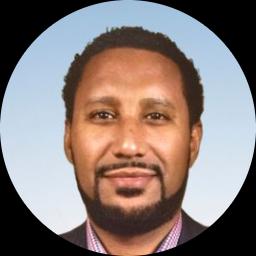
- Credentials
- LCSW
- License
- LCSW, New York / 102680
- NPI
- 1487325098
About Dimas
Dr. Dimas Tollinchi-Castro is a Clinical Social Worker (LCSW) licensed in New York with 20 years of clinical experience. He works with stress, anxiety, addictions, relationship issues, trauma and abuse, and depression.
He offers services in English and Spanish and practices in New York. He typically helps people who are dealing with strong emotions and recurring problems that affect daily life. That includes panic attacks, mood disorders, post-traumatic stress, and social anxiety or phobia.
Background and approach
He also addresses concerns such as attachment issues, body image, caregiver stress, communication problems, control issues, and isolation or loneliness. He describes a culturally responsive approach informed by his mixed heritage and long experience in New York. He has worked with a range of populations across different settings, including people affected by addiction and those connected to law enforcement and veteran communities.
His training includes degrees from New York University, Adelphi University, and Long Island University. Sessions focus on practical ways to manage symptoms and improve day-to-day functioning. He works with clients to identify patterns that keep problems going and tries out strategies that fit the person’s life.
Treatment can address relationship stressors such as divorce and separation, as well as feelings of guilt, shame, or difficulty forgiving. Dr. Tollinchi-Castro highlights attention to social justice and equitable care.
He frames therapy as collaborative work where the person’s culture and background inform the goals. For starting steps, people are asked to complete a short matching questionnaire and then schedule a first session.
Therapeutic approaches quickly explained for online care
The profile notes use of evidence-based therapeutic techniques. Two common, practical approaches that fit this description are cognitive methods and trauma-focused strategies. Cognitive methods look at unhelpful thoughts and teach ways to test and change them; they help with anxiety, panic attacks, and mood problems. Trauma-focused strategies focus on reducing the ongoing impact of traumatic memories and improving daily functioning after abuse or violence.Finding the right approach is part of the work. The therapist will discuss goals, preferences, and concerns with the person and together decide which techniques to try first. This is a collaborative process that may shift over time based on what helps.
The profile indicates online therapy is offered, but it does not list specific session formats. Confirm the available formats before booking. Online sessions can make it easier to fit therapy into a weekly schedule, reduce travel time, and allow more flexible appointment times. Some formats also make shorter check-ins possible when needed, or let people choose audio-only if video is difficult. These practical benefits can help therapy fit into everyday life.
Frequently asked questions
What concerns does he address most often?
What is his therapeutic style?
How long has he been practicing?
What are his credentials and location?
Which languages are supported?
What session formats are available?
How is cost handled?
How do I begin working with him?
Specialties and expertise
Top specialties
- Stress, Anxiety
- Addictions
- Relationship issues
Also works with
- Experience
- 20 years
- Licensed
- New York
- Languages
- English, Spanish