- Credentials
- LCSW
- License
- LCSW, New York / 070436
- NPI
- 1235866062
About William
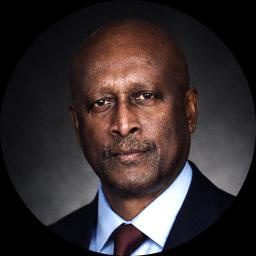
Dr. William Thomas is a New York licensed clinical social worker (LCSW) with 20 years of experience. He focuses on stress, anxiety, addictions, relationship concerns, self-esteem, depression, and bipolar disorder.
Sessions are conducted in English and international clients are accepted. He helps people who are coping with substance use and process addictions, including gambling and pornography. He also works with smoking and vaping cessation, sexual concerns, and problems that come with hoarding or infidelity.
Background and approach
Social anxiety, paranoia, and personality-related difficulties are included among his areas of focus. His approach draws on practical therapies such as cognitive behavioral therapy, acceptance and commitment therapy, and mindfulness. That means sessions often include looking at thought patterns, building small behavioral steps, and using present-moment techniques to reduce distress.
Attachment-based ideas and client-centered ways of working shape how he discusses relationships and motivation. Appointments follow a clear plan. Early sessions usually review what matters most to the person and set short-term goals.
Later sessions check progress, practice new skills, and adjust the plan when needed. Sessions aim to be direct and problem-focused while keeping conversations respectful and straightforward. Fees vary with location and use a subscription model that can be canceled at any time.
To begin, a person completes a short matching questionnaire and schedules a first session via the See online therapy options button.
Therapeutic approaches used in online sessions
Acceptance and Commitment Therapy (ACT) helps people notice painful thoughts and feelings without getting stuck in them. It focuses on clarifying values and taking small actions consistent with those values, which can help with anxiety, depression, and motivation problems.Cognitive Behavioral Therapy (CBT) looks at the links between thoughts, feelings, and actions. Sessions often involve identifying unhelpful thought patterns and practicing small behavioral experiments to reduce anxiety, cravings, or low mood.
Mindfulness Therapy introduces short attention and breathing practices to reduce reactivity and build tolerance for uncomfortable states. These exercises are often used alongside CBT or ACT to manage stress and cravings.
Choosing the right approach is part of the work. The therapist will collaborate with the client to decide which methods fit their goals and preferences. That choice can change over time as progress is reviewed and routines are adjusted.
Confirm the specific session formats before booking. The listing indicates online therapy is offered; check which exact online options are available when you sign up. Online sessions can make it easier to schedule appointments, avoid travel, and fit brief check-ins into a busy day. Phone or lower-bandwidth sessions can shorten a meeting when needed, while video sessions let people use visual cues during skill practice.
Frequently asked questions
What concerns does he work with most?
What is his therapeutic style?
How much experience does he have?
What are his credentials and where is he based?
Which languages are supported?
What session formats are offered?
How are fees handled?
How do I get started?
Specialties and expertise
Top specialties
- Stress, Anxiety
- Addictions
- Relationship issues
Also works with
- Antisocial personality
- Bipolar disorder
- Depression
- Drug and alcohol addiction
- Hoarding
- Infidelity
- Paranoia
- Personality disorders
- Process addiction (porn, exercise, gambling)
- Seasonal Affective Disorder (SAD)
- Self esteem
- Sex addiction
- Sexual dysfunction
- Smoking / vaping cessation
- Social anxiety and phobia
Therapeutic approaches
- Experience
- 20 years
- Licensed
- New York
- Languages
- English