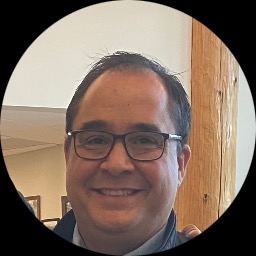
- Credentials
- LICSW
- License
- LICSW, Washington / LW61381427
- NPI
- 1033503107
About Shad
Shad St. Paul is a Licensed Independent Clinical Social Worker (LICSW) practicing in Washington with 14 years of experience. He works with people facing addictions, trauma and abuse, anger, low self-esteem, and depression.
Sessions are offered in English and focus on practical steps people can use in daily life. Shad uses a mix of methods to address substance use and mood concerns. He draws on client-centered work to prioritize each person’s concerns.
Background and approach
He uses cognitive behavioral techniques to identify unhelpful thoughts and behaviors. He also incorporates motivational interviewing to support change and resolve ambivalence. In sessions he helps people clarify goals and try concrete strategies.
That can include breaking down a problem into smaller steps, experimenting with new coping skills, or tracking patterns that keep problems going. He also works on communication problems, codependency, and family-related stress when those come up. Shad has experience addressing obsessive thoughts and compulsive behaviors, phobias, and disruptive mood dysregulation disorder (DMDD).
He also supports people dealing with guilt, shame, jealousy, and questions about life purpose. His approach mixes conversation with skill-building and short-term planning. People interested in starting can use the site’s online therapy options and complete the brief matching questionnaire.
The LICSW credential is shown as WA LICSW. Confirm the current session formats before booking if you need a particular arrangement.
How Shad integrates therapy approaches online
Client-centered therapy focuses on listening and following what matters most to the person. It emphasizes respect for the client's perspective and encourages people to set the pace and focus of sessions. This approach is useful when someone needs space to name priorities and feel heard.Cognitive Behavioral Therapy, or CBT, looks at the links between thoughts, feelings, and behaviors. It uses practical exercises and small experiments to change unhelpful patterns. CBT is commonly used for depression, anxiety, OCD symptoms, and many mood-related problems.
Motivational Interviewing helps people clarify mixed feelings about change. It uses open questions and reflection to boost motivation and make a plan for next steps. This approach pairs well with work on substance use and other behaviors people want to change.
Finding the right mix of approaches is part of the work. The therapist will collaborate with each client to decide which methods fit their goals, preferences, and current needs. That choice can shift over time as new problems or priorities emerge.
This profile notes online therapy options through the site, but does not list specific formats here. Confirm the exact session formats available before booking. Online sessions can make it easier to fit therapy into a busy day, reduce travel time, allow shorter check-ins when needed, and let people connect from a quieter location without being on camera if they prefer.
Frequently asked questions
What main concerns does he address?
What is his therapeutic style?
How many years has he practised?
What are his credentials and where does he practice?
Can I work with him from another country?
Which session formats are offered?
How does pricing work?
What do I do to start?
Specialties and expertise
Top specialties
- Addictions
- Trauma and abuse
- Anger management
Also works with
- Codependency
- Commitment issues
- Communication problems
- Depression
- Disruptive Mood Dysregulation Disorder (DMDD)
- Drug and alcohol addiction
- Family problems
- Forgiveness
- Guilt and shame
- Jealousy
- Life purpose
- Obsessions, compulsions, and OCD
- Paranoia
- Phobias
- Self esteem
Therapeutic approaches
- Experience
- 14 years
- Licensed
- Washington
- Languages
- English