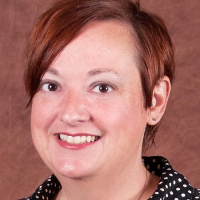
Rebecca Murray, LCPC
Licensed Clinical Professional Counselor - grief and trauma
- Credentials
- LCPC
- License
- LCPC, Illinois / 180010788
- NPI
- 1467125807
About Rebecca
Rebecca Murray is an Illinois Licensed Clinical Professional Counselor (LCPC) with 11 years of clinical experience. She works with people dealing with grief, compassion fatigue and burnout, low self-esteem, anxiety, depression, anger, and stress. She also supports people facing relationship and family concerns, control issues, workplace problems, and life transitions.
Her practice emphasizes Cognitive Behavioral Therapy (CBT) alongside trauma-focused methods. Rebecca integrates practical strategies that help people notice unhelpful thoughts and try different behaviors.
Background and approach
She also uses trauma-informed tools for those recovering from abuse, domestic violence, or first responder stress. Sessions focus on clear goals and step-by-step skills. Rebecca offers hands-on techniques for panic, mood problems, and seasonal mood shifts.
She works with issues such as forgiveness, guilt and shame, isolation, and impulsivity by breaking problems into manageable parts. Rebecca draws on Internal Family Systems ideas to map different parts of a person’s experience. For grief and end-of-life concerns she combines talk work with concrete coping plans.
For career and workplace stress she blends coaching-style problem solving with therapeutic reflection. People can expect direct, plain-language explanations of methods and simple homework between sessions. Rebecca practices in Illinois and conducts sessions in English.
To begin, people use the site’s matching process and schedule a first visit.
How Rebecca uses CBT and trauma approaches online
Rebecca often uses Cognitive Behavioral Therapy and trauma-focused methods in her work. CBT helps by identifying unhelpful thoughts and trying practical behavior changes; it is commonly used for anxiety, panic, mood problems, and workplace stress. Trauma-Focused Therapy and EMDR-style approaches focus on processing painful memories and reducing their emotional intensity, which can help people who've experienced abuse, domestic violence, or first responder trauma.She treats choosing a method as a collaborative process. The therapist and client look at presenting problems, goals, and what feels workable. They may start with CBT skills and add trauma-focused work or parts-based Internal Family Systems ideas if needed.
Confirm the therapist's session formats before booking since the original biography lists online therapy but does not specify exact formats. Online sessions can make it easier to fit appointments into a busy week, allow shorter check-ins when needed, and avoid travel time. For some people video works best, while phone or other formats may suit quieter bandwidth or a brief check-in; discuss options during the matching and scheduling steps to find what fits your routine.
Frequently asked questions
What concerns does she work with most?
What is her therapeutic style?
How much experience does she have?
What credential does she hold and where is she based?
Which languages are supported?
Can people outside the United States work with her?
How are sessions structured and what do they cost?
How do I get started?
Specialties and expertise
Top specialties
Also works with
- Anger management
- Coaching
- Compassion fatigue
- Control issues
- Coping with life changes
- Depression
- Domestic violence
- Family conflicts
- Family of origin issues
- First responder issues
- Forgiveness
- Guilt and shame
- Hospice and end-of-life counseling
- Impulsivity
- Isolation / loneliness
- Life purpose
- Midlife crisis
- Mood disorders
- Panic disorder and panic attacks
- Relationship issues
- Seasonal Affective Disorder (SAD)
- Self esteem
- Workplace issues
Therapeutic approaches
- Experience
- 11 years
- Licensed
- Illinois
- Languages
- English