Dr. Latasha McIlwaine, LPC
Dr. Latasha McIlwaine - LPC, addictions and relationships
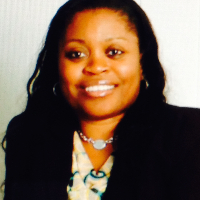
- Credentials
- LPC
- License
- LCMHC, North Carolina / 6691; LPC, South Carolina / 5039; LPC, Georgia / LPC010296
- NPI
- 1063631331
About Latasha
Dr. Latasha McIlwaine is a Licensed Professional Counselor (LPC) practicing in North Carolina with 18 years of experience. She works with people facing addictions, relationship difficulties, low self-esteem, career concerns, and depression.
Sessions are offered in English and international clients are accepted. She uses practical, evidence-based methods in therapy. Cognitive Behavioral Therapy (CBT) and Dialectical Behavior Therapy (DBT) are among the approaches she applies to help people notice unhelpful patterns and learn new ways of coping.
Background and approach
She also draws on mindfulness practices, motivational interviewing, and solution-focused work when those fit a person's goals. Her background includes training and work across North Carolina, South Carolina, and Georgia. She has practiced with adults on issues such as domestic violence, drug and alcohol addiction, isolation and loneliness, and complex family situations such as blended family issues and divorce.
She also lists work related to intellectual disability and autism and Asperger syndrome. In addition to clinical practice, she teaches at undergraduate and graduate levels and supervises clinicians in training. She has written about her personal and professional experiences in her book Fragile Brokenness.
Dr. McIlwaine describes a straightforward, skills-focused approach in sessions. People can expect short-term tools for coping as well as longer-term discussion of patterns, relationships, and life purpose.
She asks people to complete a brief matching questionnaire before scheduling a first session so she can recommend the best next step.
How her approaches translate to online sessions
CBT focuses on spotting thoughts and behaviors that keep problems going and then trying small, practical changes. Online sessions can include guided practice of new skills, homework between meetings, and clear steps to test what works for mood, relationships, or addictive behaviors.DBT teaches specific skills for managing intense emotions and improving interpersonal effectiveness. In an online visit this often means learning breathing and grounding techniques, practicing communication scripts, and reviewing how skills were used in real situations.
Finding the right approach is part of the work. The therapist will discuss goals, needs, and personal preferences and then recommend whether CBT, DBT, mindfulness, motivational interviewing, or solution-focused steps make sense. This is a collaborative decision made over the first few sessions.
The profile indicates online therapy is offered; confirm the exact session formats when you book. Online work can make it easier to fit appointments into a busy week, reduce travel time, allow shorter check-ins when needed, and let people use skills practice in their regular environment. Licensed professionals can adapt exercises and homework for remote sessions so clients keep building skills between meetings.
Frequently asked questions
What concerns does she work with most?
What is her therapeutic approach or style?
How long has she been practicing?
What are her credentials and where does she practice?
Can I work with her if I live outside the United States?
Which session formats are offered?
How is payment handled and what does it cost?
How do I begin working with her?
Specialties and expertise
Top specialties
- Addictions
- Relationship issues
- Self esteem
Also works with
- Autism and Asperger Syndrome
- Blended family issues
- Career difficulties
- Codependency
- Depression
- Divorce and separation
- Domestic violence
- Drug and alcohol addiction
- Emptiness
- Intellectual disability
- Isolation / loneliness
- Life purpose
- Self-love
- Women's issues
Therapeutic approaches
- Experience
- 18 years
- Licensed
- North Carolina, South Carolina, Georgia
- Languages
- English