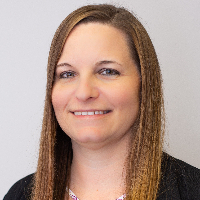
Kara Snodgrass, LCMHC
Licensed clinical counselor - anxiety and parenting
- Credentials
- LCMHC
- License
- LCMHC, North Carolina / 12401
- NPI
- 1184176505
About Kara
Kara Snodgrass is a Licensed Clinical Mental Health Counselor (LCMHC) practicing in North Carolina with 12 years of experience. She works with people dealing with stress, anxiety, depression, relationship strain, parenting challenges, grief, ADHD concerns, anger, and compassion fatigue. Sessions can address control issues, guilt and shame, impulsivity, panic attacks, pregnancy and childbirth concerns, and women's issues.
Kara's background includes several years of work supporting families in their homes and experience with substance abuse, child protective services, foster care, and crisis work.
Background and approach
That earlier work shaped how she approaches practical problems and safety concerns. She brings that history into therapy by focusing on real-life situations and concrete steps. Her style is client-centered and collaborative.
She listens to what matters most and follows the client's lead while offering suggestions or techniques when useful. The work tends to be practical: talking through feelings, building coping skills, and practicing new behaviors between sessions. Kara draws on multiple methods to match different needs.
She uses elements of cognitive behavioral approaches to address unhelpful thinking, dialectical skills for emotion regulation, motivational interviewing for change, and solution-focused strategies to set achievable goals. These tools are mixed based on the issue at hand. People choosing therapy with her can expect straightforward conversation about current problems and options to try outside of sessions.
She accepts international clients and conducts work in English. Before booking, confirm current session formats and scheduling details through the sign-up process.
How her approaches translate to online work
Kara commonly uses Client-Centered Therapy, Cognitive Behavioral Therapy (CBT), and Dialectical Behavior Therapy (DBT) techniques in her online work. Client-Centered Therapy focuses on listening and following the client's priorities so sessions stay relevant to everyday problems. CBT looks at patterns of thinking and behavior and teaches specific skills to reduce anxiety and depression symptoms. DBT provides practical tools for regulating strong emotions and managing impulsive reactions, which can help with anger and panic symptoms.Figuring out which approach will be most useful is part of the beginning work. She collaborates with clients to choose methods that match their goals and preferences, and she may combine techniques as needs change. That decision is made together rather than imposed by the therapist.
Her biography notes messaging, live chat, and phone sessions as previously offered options, with some limited evening and weekend availability. If you want a specific session format, confirm the current options during the sign-up process before booking. Online sessions can make it easier to fit therapy into work, childcare, or travel schedules, allow shorter check-ins when helpful, and reduce time spent commuting.
Frequently asked questions
What concerns does she work with most?
How would you describe her therapeutic style?
What is her professional background?
What are her credentials and where is she based?
Which languages are sessions offered in and can international clients join?
What session formats does she use?
How does payment and cost work?
How do I begin working with her?
Specialties and expertise
Top specialties
- Stress, Anxiety
- Family conflicts
- Self esteem
Also works with
- ADHD
- Anger management
- Compassion fatigue
- Control issues
- Depression
- Forgiveness
- Grief
- Guilt and shame
- Impulsivity
- Panic disorder and panic attacks
- Parenting issues
- Pregnancy and childbirth
- Relationship issues
- Women's issues
Therapeutic approaches
- Experience
- 12 years
- Licensed
- North Carolina
- Languages
- English