- Credentials
- LMFT
- License
- LMFT, California / 125126
- NPI
- 1245358928
About Jillianne
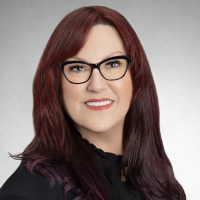
Jillianne Boyd is a California Licensed Marriage and Family Therapist (LMFT) with 16 years of clinical experience. She focuses on stress, anxiety, relationship concerns, trauma and abuse, grief, addictions, and related issues. Sessions are offered in English and international clients are accepted.
She works with a range of concerns including bipolar disorder, anger, compassion fatigue, and changes tied to life transitions. Jillianne describes a humanistic, client-centered approach that emphasizes building a clearer sense of self.
Background and approach
She uses Emotionally-Focused Therapy to address relationship and attachment patterns. Existential ideas inform conversations about meaning, purpose, and values when clients face big life questions. In practical terms she aims to help people develop coping skills and reduce distress tied to trauma, shame, or substance use.
Communication problems, guilt and forgiveness, isolation and loneliness are common topics in her work. She also notes experience with veteran and armed forces issues and post-traumatic stress. Her method includes strength-based work and mindfulness practices as tools for managing symptoms and increasing emotional regulation.
For trauma she incorporates mindfulness techniques and Trauma Release Exercises as part of sessions. Goals and priorities are set collaboratively and aligned with the client’s values and beliefs. Sessions are described as focused on improving self-awareness, connection, and hope.
Prospective clients are encouraged to review session options and the signing process before booking a first appointment.
How her approaches shape online work
Client-Centered Therapy focuses on listening and responding to each person’s concerns. In practice this means sessions concentrate on what matters most to the client, building from their views and goals to reduce anxiety, stress, or relationship pain.Emotionally-Focused Therapy (EFT) looks at emotions and attachment patterns in relationships. It helps people name and shift difficult interaction cycles and can be useful for communication problems, relationship distress, and patterns linked to trauma.
Finding the right approach is part of the work together. The therapist and client will review needs, goals, and preferences and decide which methods to emphasize. Choices can change over time as progress and priorities evolve.
Confirm the therapist’s current online session options before booking, since the biography does not list specific formats. Online work can make it easier to fit sessions into a busy week, reduce travel time, and allow brief check-ins when a full in-person visit would be harder to schedule. Different approaches such as EFT or client-centered conversations adapt to remote sessions, and mindfulness or Trauma Release Exercises can be incorporated where appropriate and practical.
Frequently asked questions
What concerns does she commonly address?
What is her therapeutic style?
How much clinical experience does she have?
What credential and location does she hold?
Which languages are supported and are international clients possible?
What session formats are offered?
How does pricing work?
How do I begin working with her?
Specialties and expertise
Top specialties
- Stress, Anxiety
- LGBT
- Relationship issues
Also works with
- Addictions
- Anger management
- Bipolar disorder
- Communication problems
- Compassion fatigue
- Coping with life changes
- Depression
- Family conflicts
- Forgiveness
- Grief
- Guilt and shame
- Isolation / loneliness
- Life purpose
- Post-traumatic stress
- Self-love
- Sexual assault and abuse
- Trauma and abuse
- Veteran and Armed Forces Issues
Therapeutic approaches
- Experience
- 16 years
- Licensed
- California
- Languages
- English