- Credentials
- LCMHC
- License
- LCMHC, North Carolina / 12938
- NPI
- 1588184618
About Franklin
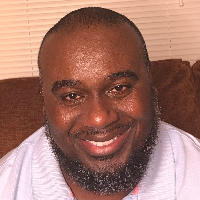
Franklin Moore is a Licensed Clinical Mental Health Counselor (LCMHC) in North Carolina with six years of counseling experience in formal clinical roles and longer experience in community mental health settings. He works with people facing stress, anxiety, depression, relationship concerns, trauma and abuse, grief, anger, self-esteem issues, ADHD, addiction-related problems, and parenting and family-related challenges.
Moore uses a client-centered approach alongside cognitive behavioral therapy (CBT). In sessions he focuses on clear, practical talk about current thoughts and behaviors.
Background and approach
He helps people identify unhelpful thinking patterns and practice different responses that can change day-to-day behavior. His background includes work in community health settings with adolescents and adults and many years as a qualified professional in mental health. That experience informs a straightforward style that pairs listening with structured techniques and occasional homework or skill practice between sessions.
Typical sessions involve exploring what is causing distress now, naming specific goals, and trying concrete strategies to test different ways of coping. He also draws on Reality and Existential ideas when those perspectives fit a concern, for example around meaning, decision points, or practical choices. Sessions are conducted in English and he practices in North Carolina.
People interested in starting are asked to follow the online intake pathway to complete a brief matching questionnaire and schedule a first session.
How his Client-Centered and CBT approaches work for online sessions
This therapist draws on two complementary approaches. Client-Centered Therapy emphasizes listening and acceptance while focusing on the client’s perspective; it is useful when someone needs time to sort feelings and priorities. Cognitive Behavioral Therapy (CBT) looks at current thoughts and behaviors and uses practical exercises to change unhelpful patterns; it is often used for anxiety, depression, stress, and anger.Choosing the right approach is treated as a collaborative process. The therapist will review concerns, goals, and what has helped or not helped before, then recommend starting points. Sessions may shift over time as needs and preferences become clearer.
Online therapy can make it easier to fit sessions into a busy life. People can avoid travel time and schedule appointments around work, school, or caregiving. Some formats are less bandwidth intensive and suit shorter check-ins or times when being on camera is difficult. The profile indicates online therapy as part of his practice; confirm exact session options and formats before booking so you know whether video, phone, or another arrangement will be used.
Frequently asked questions
What concerns does he work with most?
What is his general therapy approach?
How much experience does he have?
What credentials and location are listed?
Which languages and international options are supported?
What session formats are offered?
How are fees handled?
How do I begin working with him?
Specialties and expertise
Top specialties
- Stress, Anxiety
- Family conflicts
- Parenting issues
Also works with
- Addictions
- ADHD
- Anger management
- Career difficulties
- Chronic pain, illness, and disability
- Communication problems
- Compassion fatigue
- Coping with life changes
- Depression
- Divorce and separation
- Emptiness
- Family problems
- Grief
- Intellectual disability
- LGBT
- Men's issues
- Relationship issues
- Self esteem
- Self-love
- Trauma and abuse
Therapeutic approaches
- Experience
- 6 years
- Licensed
- North Carolina
- Languages
- English