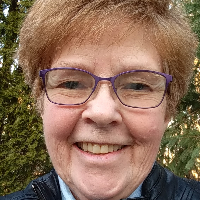
- Credentials
- LCPC, LPC
- License
- LCPC, Illinois / 180-005252; LPC, Wisconsin / 7605-125
- NPI
- 1720065063
About Debra
Debra Schwarze is a Licensed Clinical Professional Counselor (LCPC) in Illinois and a Licensed Professional Counselor (LPC) in Wisconsin with 30 years of work in mental health. She helps people with stress, anxiety, grief, depression, coping with life changes, compassion fatigue, relationship and family concerns, trauma and abuse, sleep problems, self-esteem, career issues, bipolar disorder, ADHD, and related areas.
She uses an eclectic, client-focused style that centers the person's goals.
Background and approach
Conversations tend to be direct and practical. She draws on cognitive behavioral techniques and client-centered approaches to identify patterns and try new ways of responding to problems. Debra also works with trauma using EMDR when appropriate and uses mindfulness skills to manage anxiety and mood.
She has training in art therapy and may bring art-making into sessions if a person is comfortable using creative work to express difficult feelings that are hard to put into words. Her background includes community mental health, school settings, faith-based programs, health systems, and independent practice.
That variety informs a flexible approach to common life stresses and long-term conditions like mood disorders and obsessive-compulsive symptoms. Sessions are offered in English and she practices from Illinois. The sign-up process uses a subscription model that can be canceled at any time.
To begin, a person completes a short matching questionnaire and schedules a first session through the online therapy options button.
How her approaches translate to online work
Debra commonly uses cognitive behavioral therapy and EMDR in her work. CBT focuses on identifying thought and behavior patterns that contribute to anxiety or low mood and then testing small changes that can reduce distress. EMDR involves guided bilateral stimulation while a person recalls distressing memories to help reduce the emotional intensity of those memories and related symptoms.She also uses client-centered and mindfulness approaches to support people in noticing their reactions and building skills to manage them. Deciding which approach to use is a collaborative process. The therapist will discuss goals, preferences, and how comfortable a person feels with different techniques before recommending a plan.
The biography notes online therapy as part of her practice, but it does not list specific session formats. Confirm the available session types before booking. Online sessions can make it easier to fit therapy into a busy day, allow shorter check-ins when needed, and remove the need to travel to an office. Therapists can adapt CBT exercises, mindfulness practice, and many trauma-focused techniques for remote work, and will explain how a chosen approach will be used in an online session.
Frequently asked questions
What concerns does she work with most?
What is her therapeutic style?
How much experience does she have?
What are her credentials and location?
Which languages are supported?
What session formats are available?
How are fees handled?
How do I start a first session?
Specialties and expertise
Top specialties
Also works with
- ADHD
- Bipolar disorder
- Cancer
- Career difficulties
- Caregiver issues and stress
- Coaching
- Compassion fatigue
- Coping with life changes
- Divorce and separation
- Emptiness
- Family conflicts
- Forgiveness
- Hospice and end-of-life counseling
- Infidelity
- Isolation / loneliness
- Life purpose
- Mood disorders
- Obsessions, compulsions, and OCD
- Panic disorder and panic attacks
- Relationship issues
- Self esteem
- Sleeping disorders
- Trauma and abuse
- Women's issues
Therapeutic approaches
- Experience
- 30 years
- Licensed
- Illinois, Wisconsin
- Languages
- English