Dr. Christopher Curtis, LPC
Dr. Christopher Curtis, LPC - Stress and Relationship Support
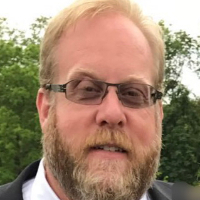
- Credentials
- LPC
- License
- LPC, Michigan / 6401007418
- NPI
- 1215501143
About Christopher
Dr. Christopher Curtis is an LPC (Licensed Professional Counselor) based in Michigan with 20 years of clinical experience. He works with stress, anxiety, depression, relationships, parenting concerns, addiction, trauma and abuse, grief, anger, self-esteem, and coping with life changes.
He also focuses on blended family issues, fatherhood concerns, communication problems, and young adult issues. He uses clear, talk-based sessions that look at thoughts, feelings, behaviors, and inner dialogue. He emphasizes Acceptance and Commitment Therapy and draws on cognitive behavioral approaches.
Background and approach
Sessions aim to give practical tools and strategies rather than long theoretical explanations. Dr. Curtis describes his style as collaborative.
He works with each person to set goals and try techniques in session. He often uses mindfulness exercises and behavioral strategies to help people manage anxiety, addictive urges, or low mood. He also includes trauma-focused methods when needed, alongside approaches for quitting smoking or vaping, dealing with shame and guilt, and improving social anxiety.
The work tends to be structured and action oriented, with time dedicated to skill practice and feedback. People who choose him can expect a focus on what works day to day. He asks practical questions, suggests exercises to try between sessions, and checks progress at regular intervals.
If someone is considering online therapy options, the site lists online sessions as part of his practice - confirm available formats before booking.
Online sessions using ACT, CBT and trauma approaches
Dr. Curtis commonly uses Acceptance and Commitment Therapy to help people notice thoughts and take values-guided action. ACT focuses on clarifying what matters and building small habits that align with those values, which can help with anxiety, low mood, and life transitions.He also works with Cognitive Behavioral Therapy techniques to map links between thoughts, feelings, and behaviors. CBT sessions often include experiments and skill practice to reduce worry, change unhelpful thinking patterns, and manage addictive urges. For people who have experienced trauma, he incorporates trauma-focused strategies to address painful memories and reduce their everyday impact.
Deciding which approach to use is a collaborative process. The therapist will talk through symptoms, goals, and preferences and then suggest methods to try. Clients can expect the plan to be reviewed and adjusted based on what helps most.
Confirm the available session formats before booking, as the profile notes online therapy is part of his practice. Online work can make it easier to fit sessions into busy days, allow for shorter check-ins when needed, and reduce travel time. Some techniques translate well to remote sessions, including mindfulness practice, behavior experiments, and structured CBT exercises. The therapist will discuss practical arrangements during the matching and scheduling steps.
Frequently asked questions
What main concerns does he address?
How does he approach therapy?
How much experience does he have?
What are his credentials and where is he based?
Which languages are sessions offered in?
Can international clients work with him?
How does payment or cost work?
How do I start a first session?
Specialties and expertise
Top specialties
- Stress, Anxiety
- Relationship issues
- Family conflicts
Also works with
- Addictions
- Anger management
- Blended family issues
- Communication problems
- Coping with life changes
- Depression
- Family of origin issues
- Family problems
- Fatherhood issues
- Grief
- Guilt and shame
- LGBT
- Men's issues
- Parenting issues
- Self esteem
- Smoking / vaping cessation
- Social anxiety and phobia
- Trauma and abuse
- Young adult issues
Therapeutic approaches
- Experience
- 20 years
- Licensed
- Michigan
- Languages
- English